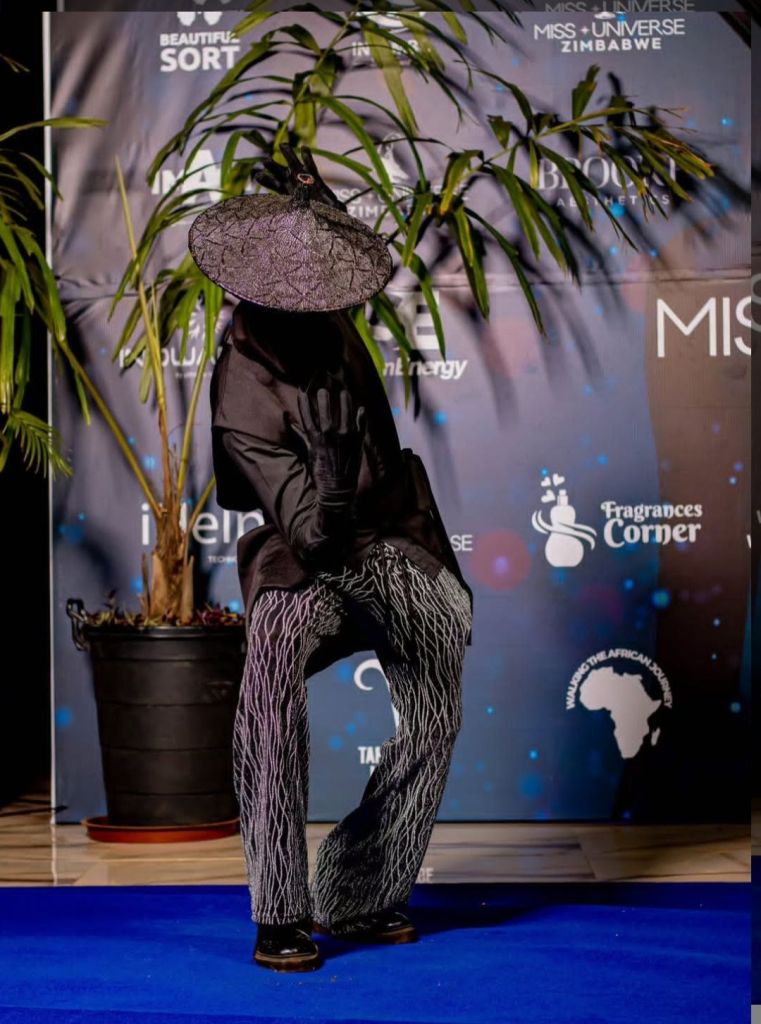
Runway, Reel & Reverence: How Bulawayo’s Faizil Rewriting the Rules of African Modelling


Runway, Reel & Reverence: How Bulawayo’s Terrence Is Rewriting the Rules of African Modelling


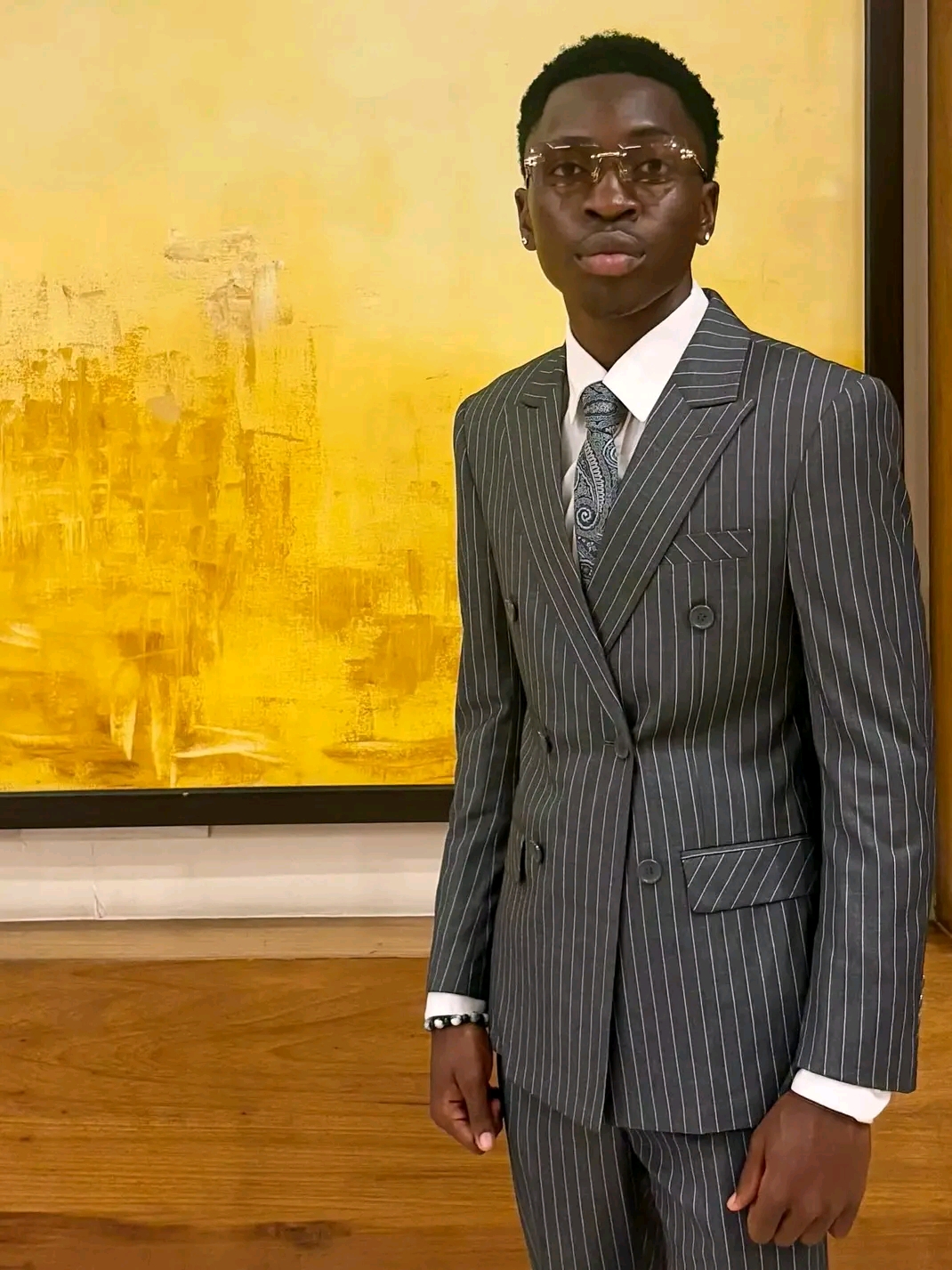
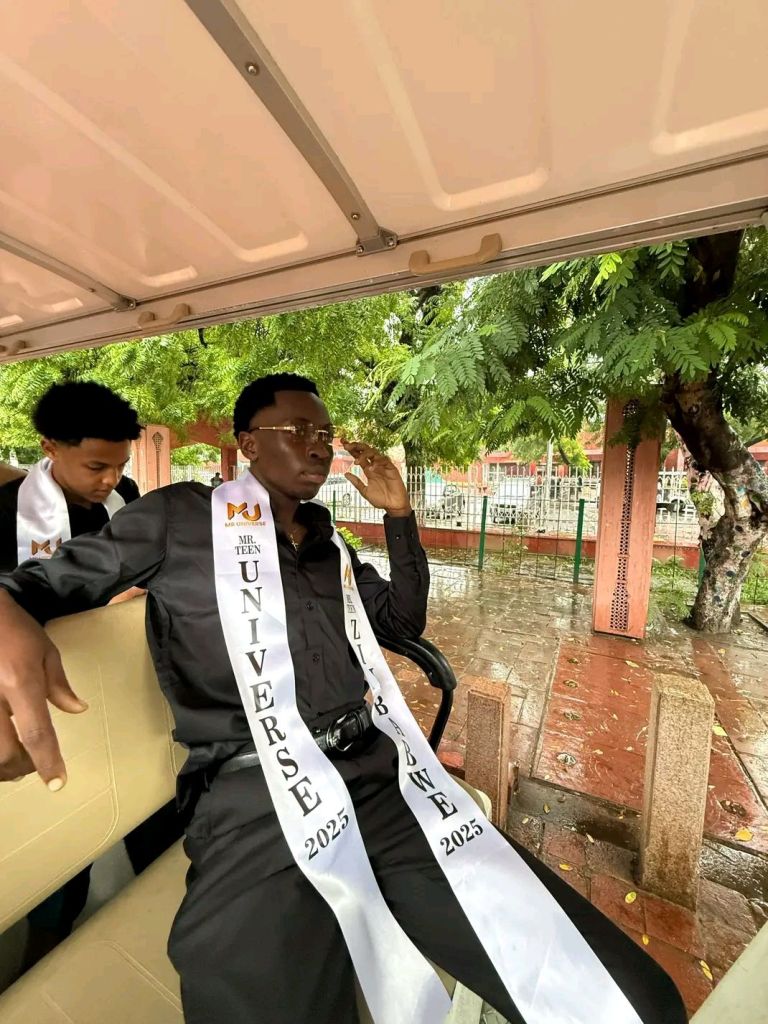
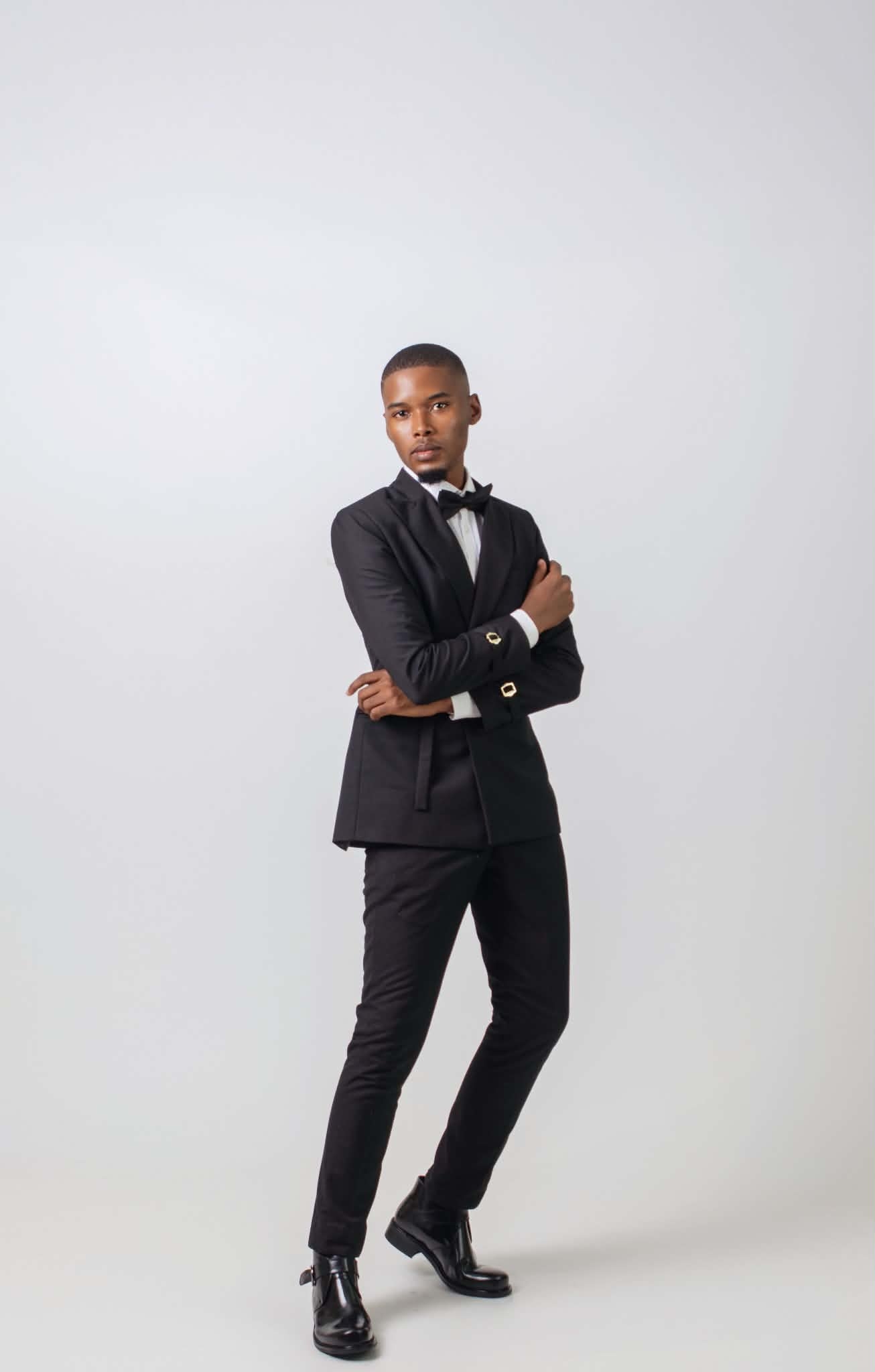
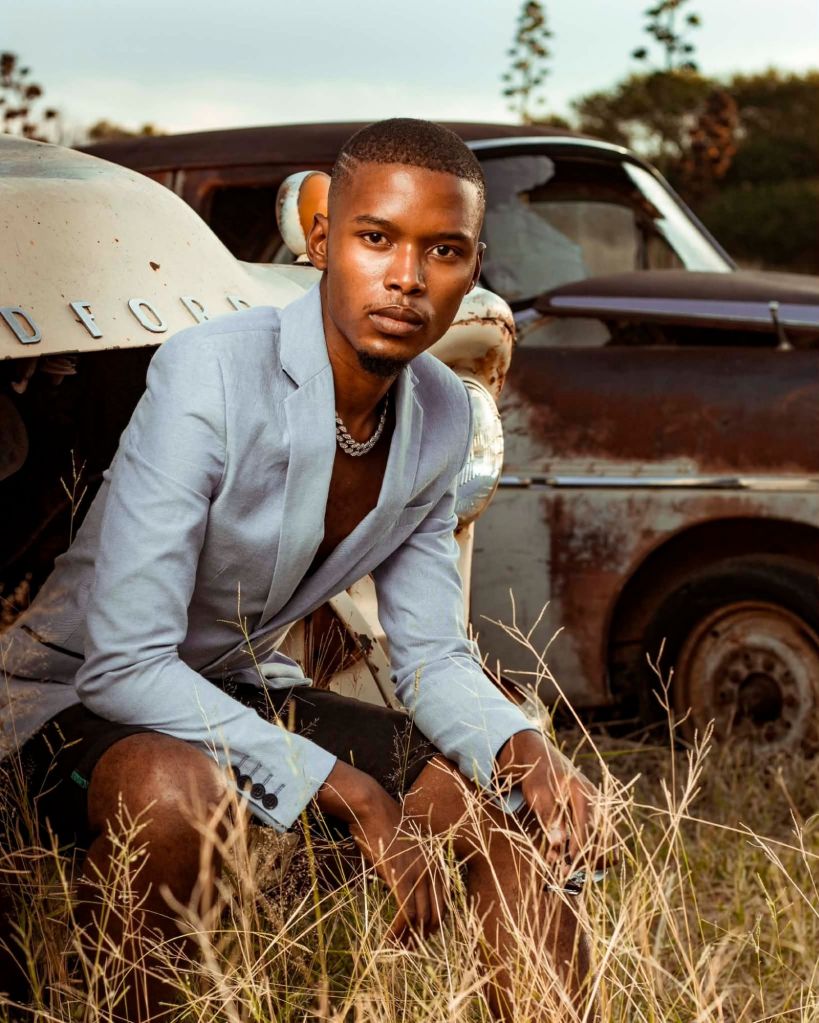
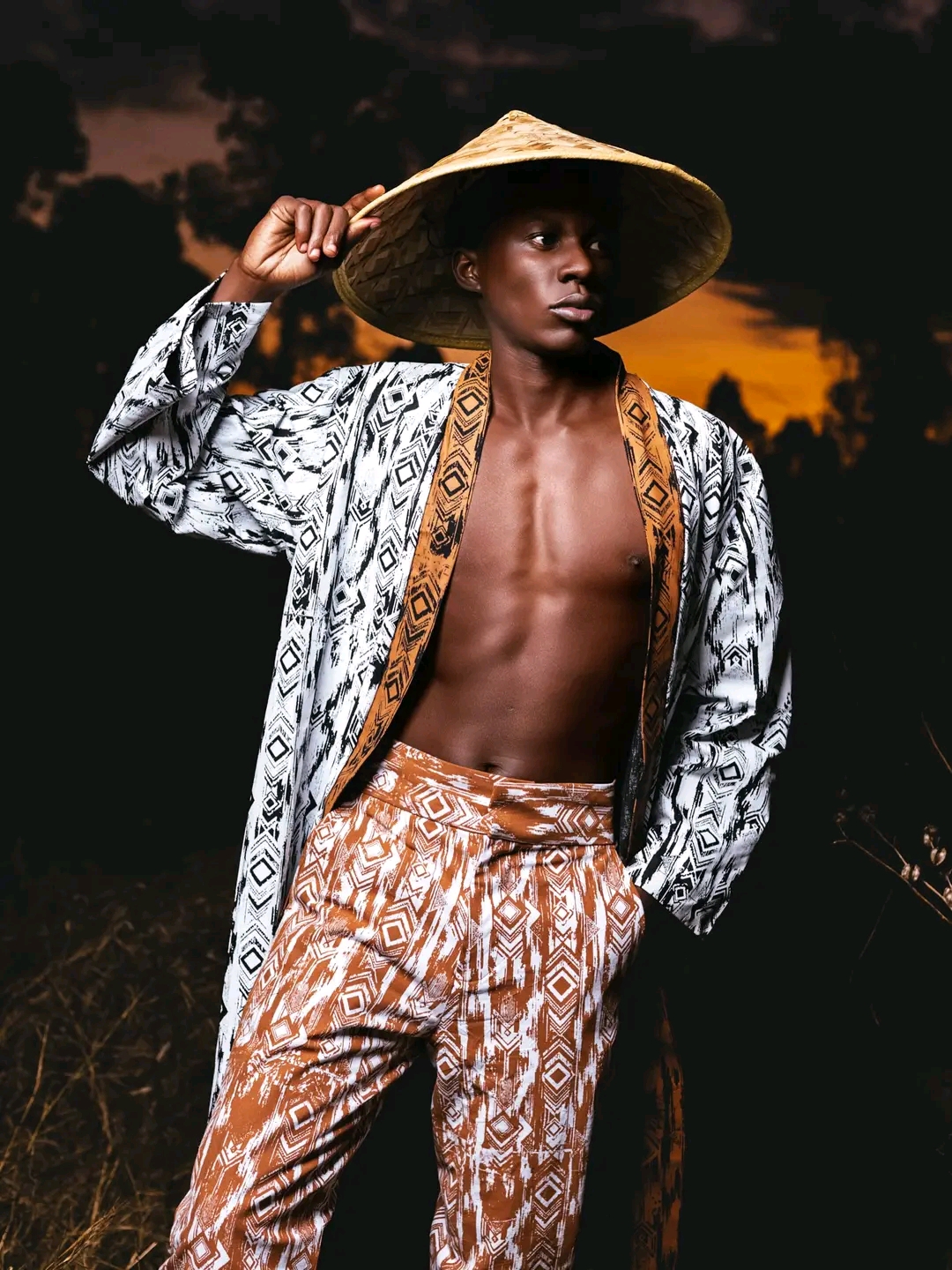
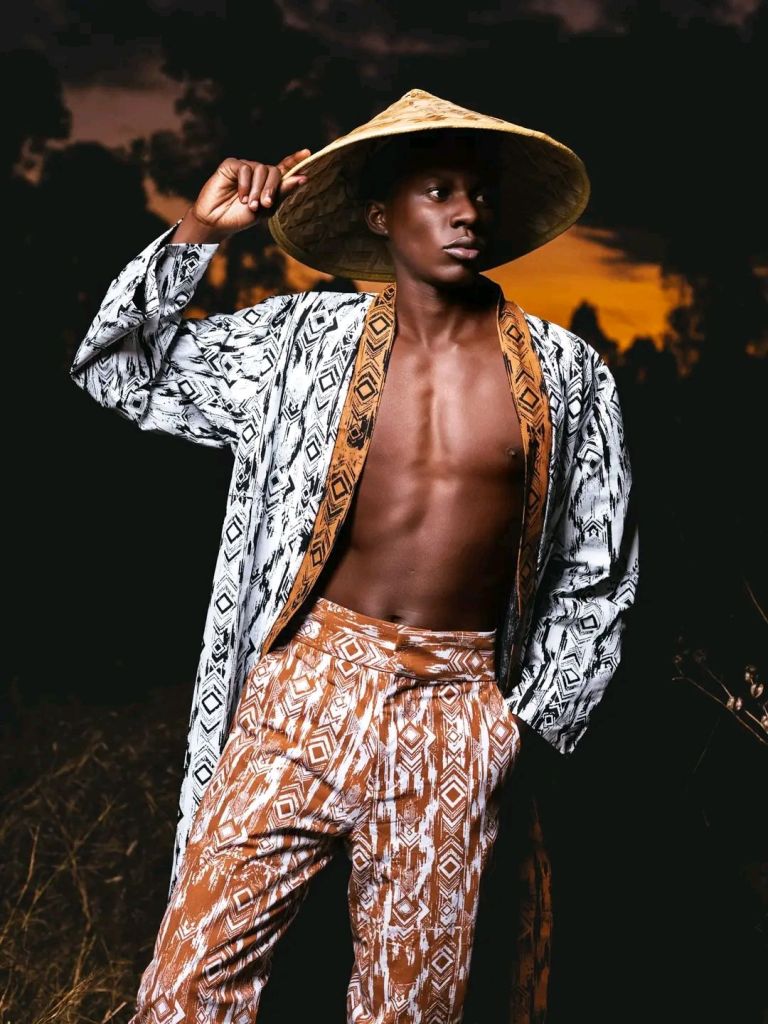
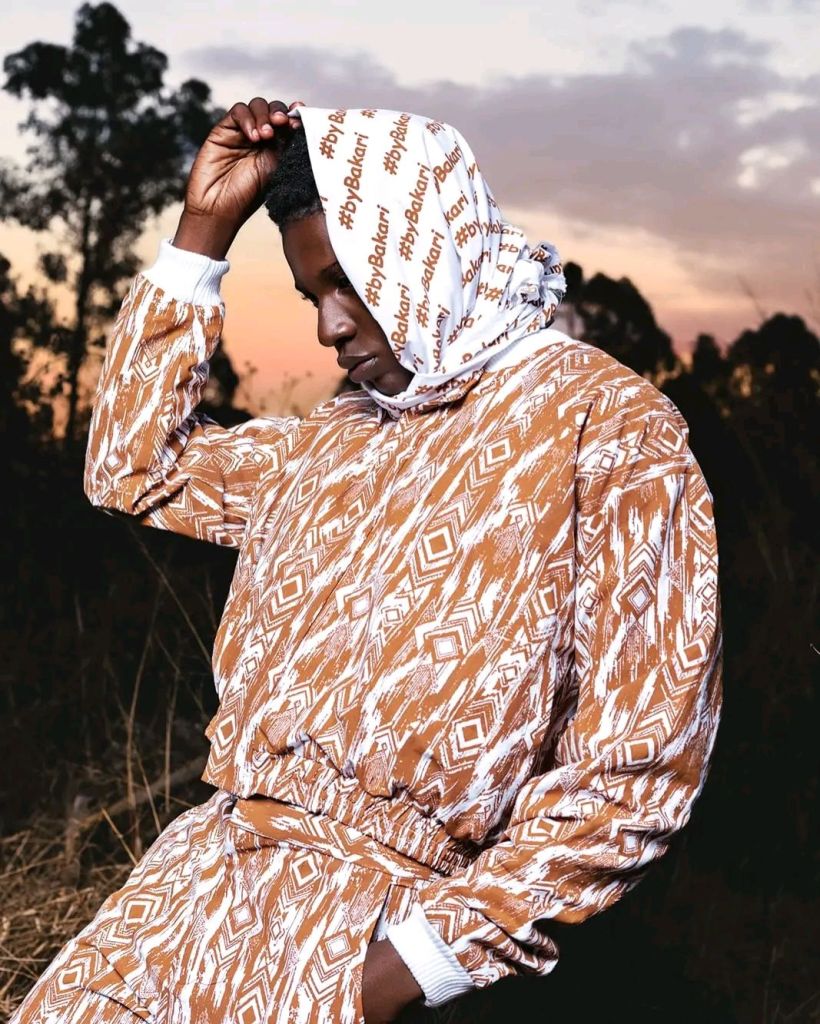
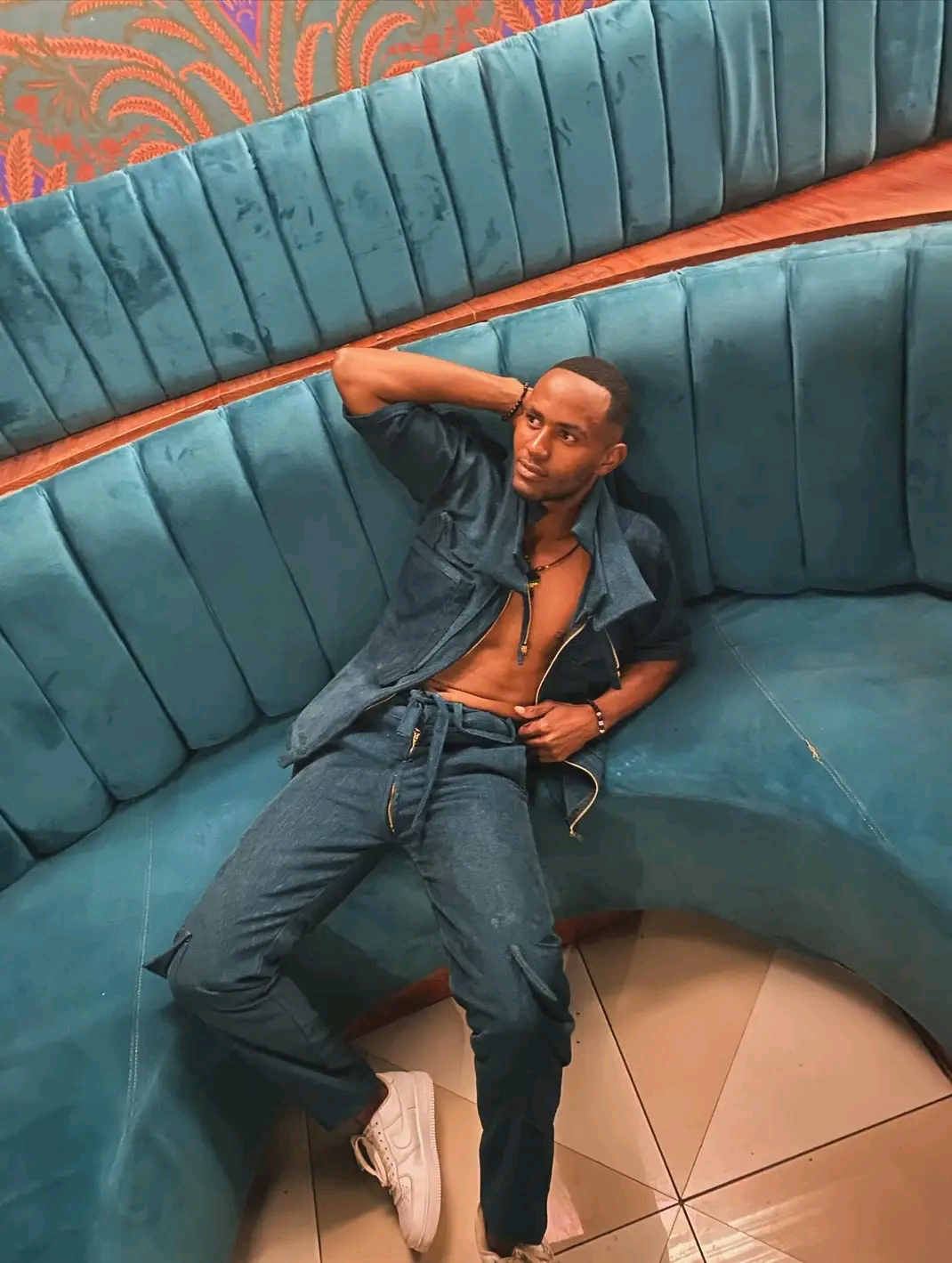
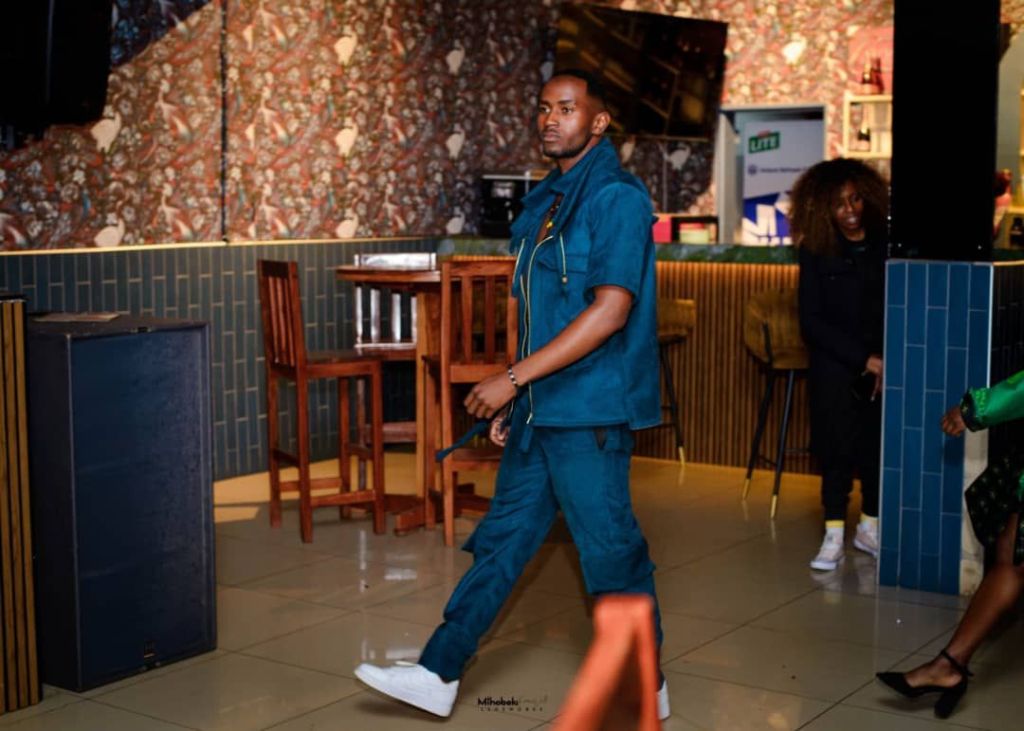
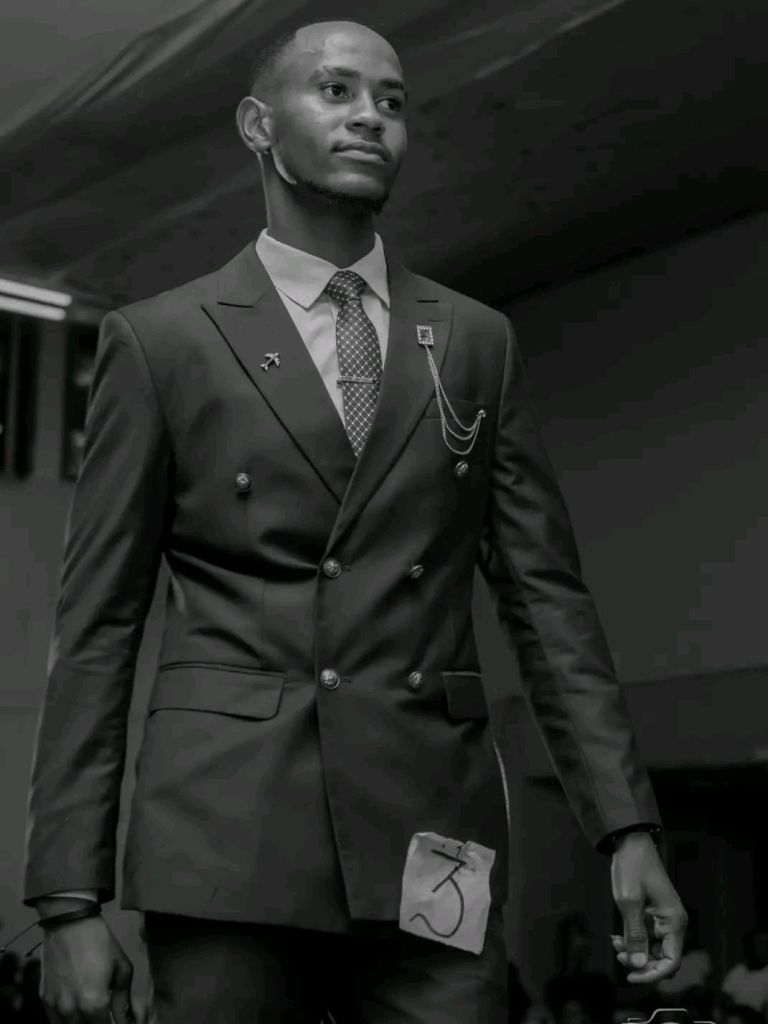
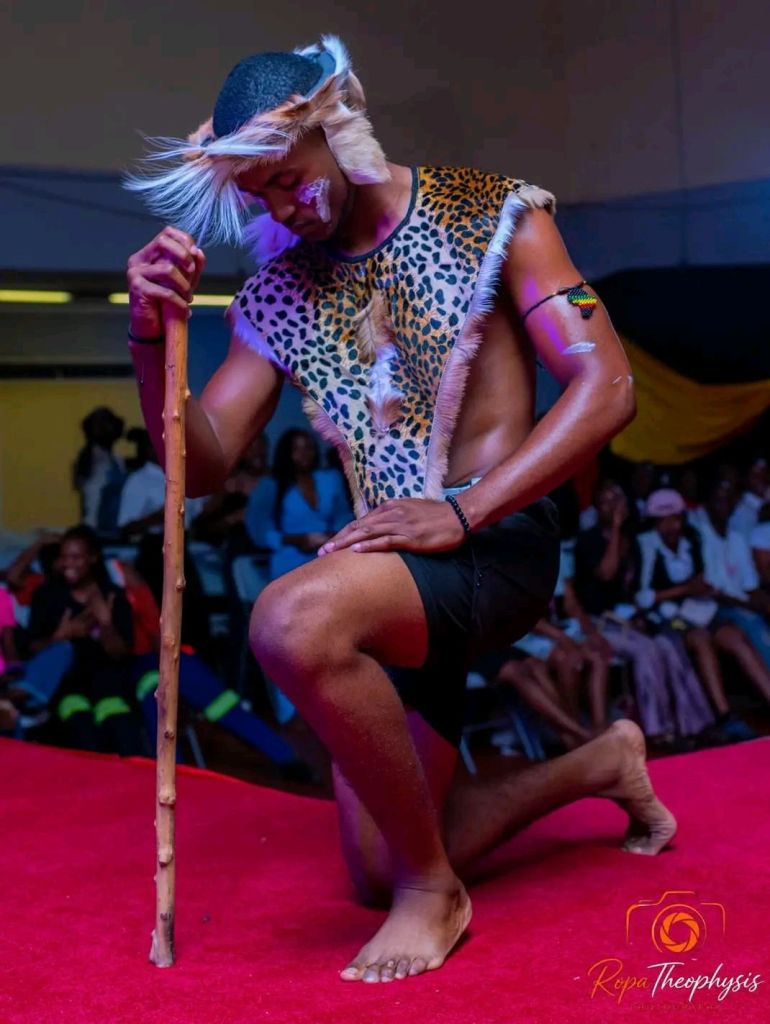
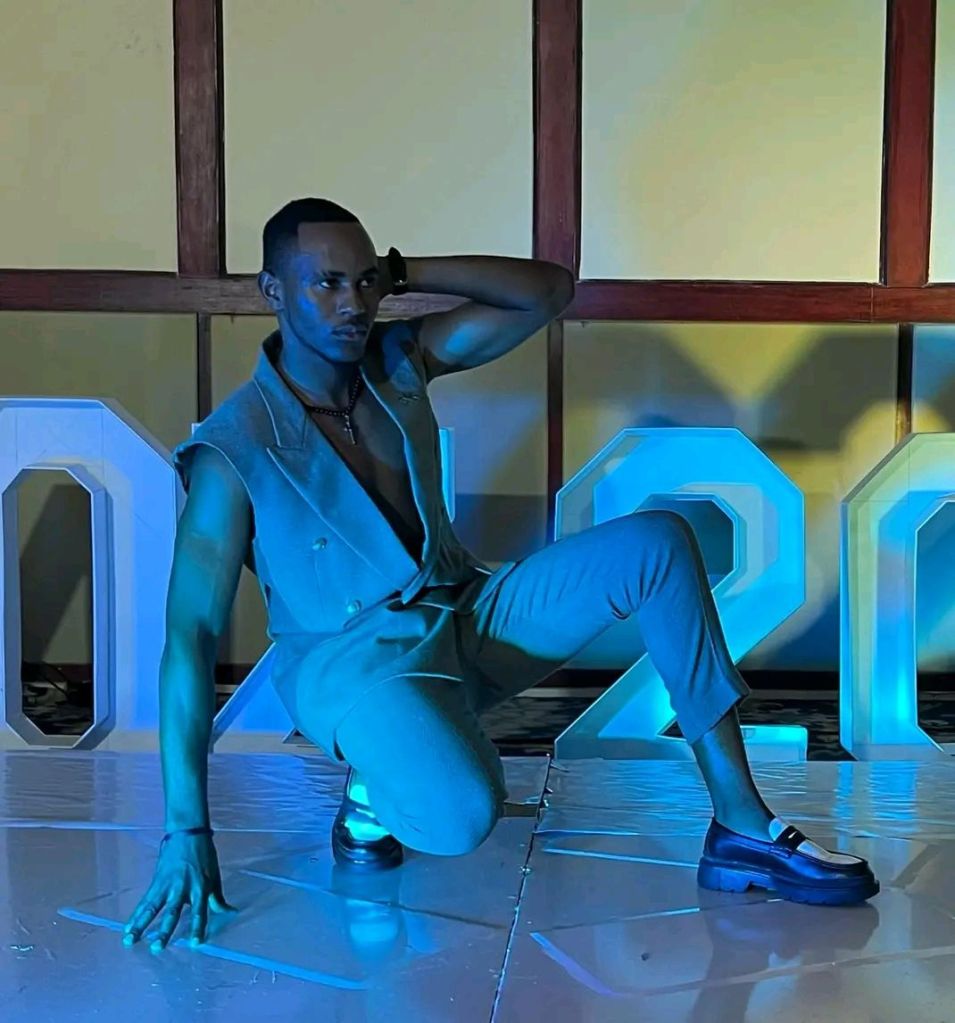
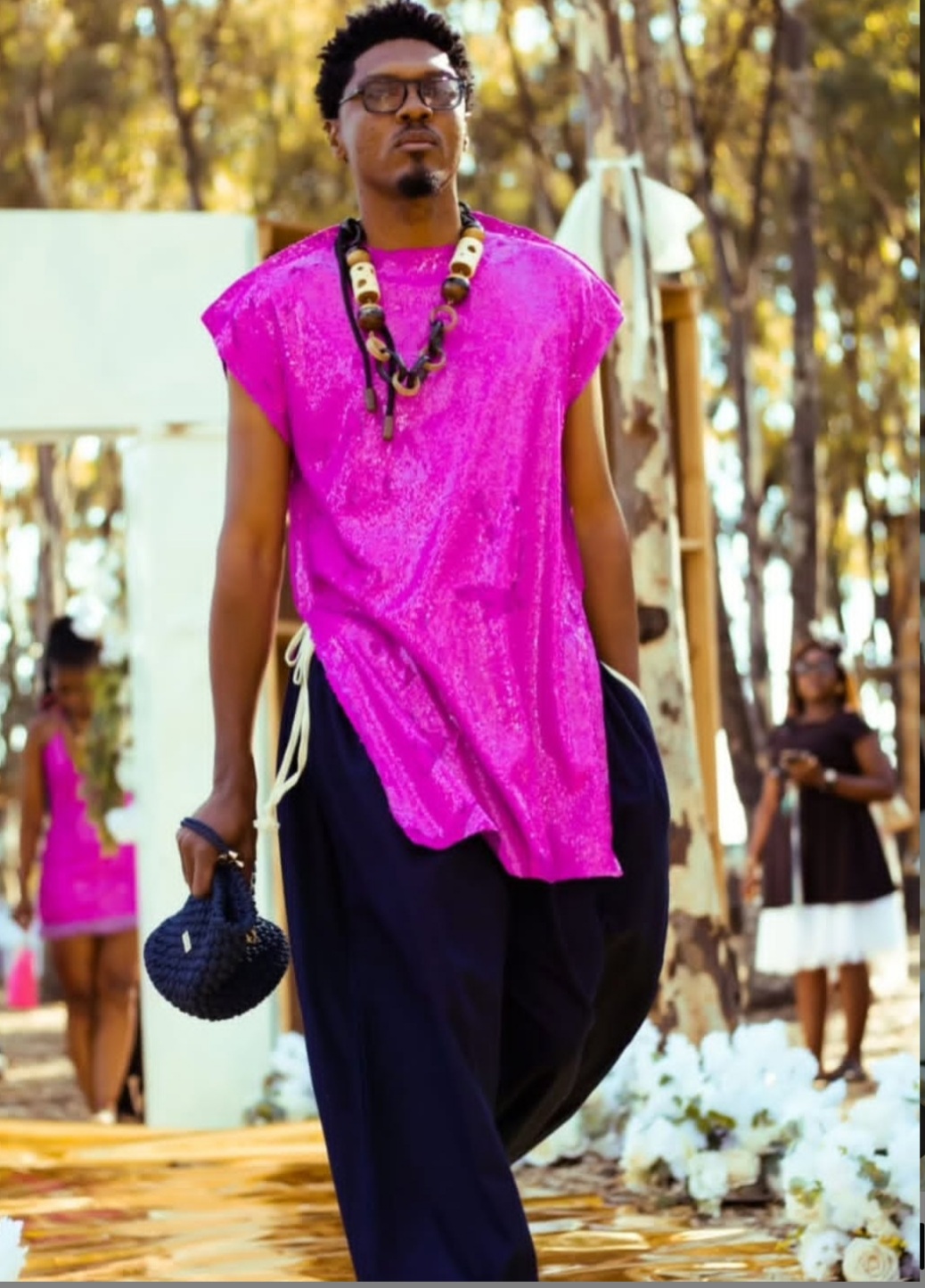
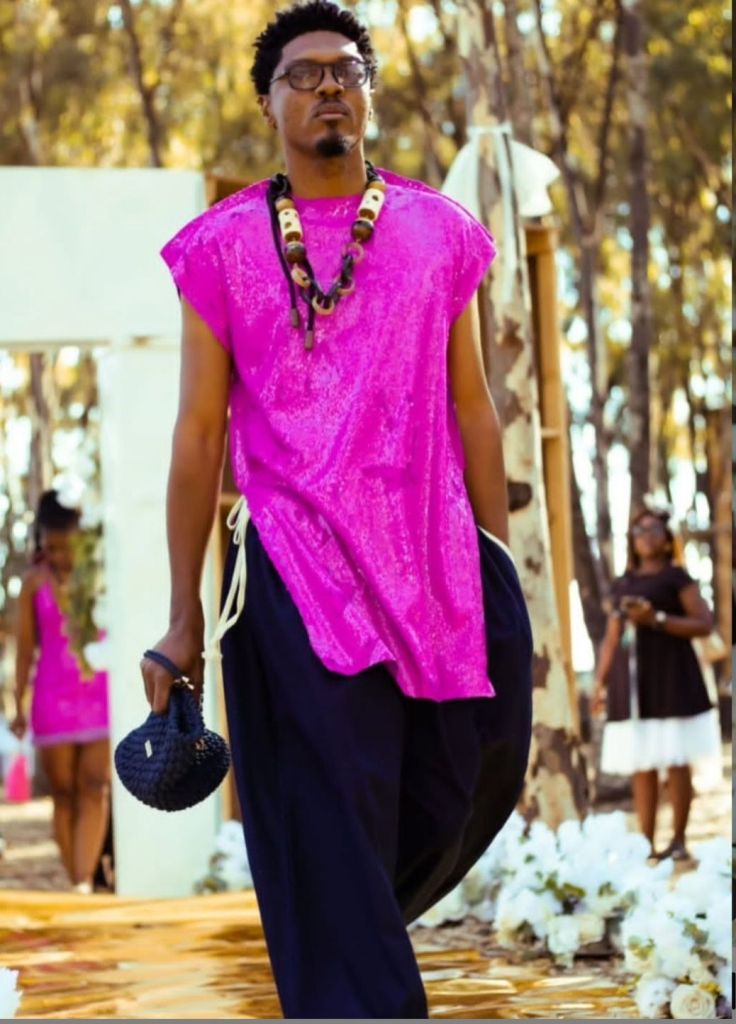
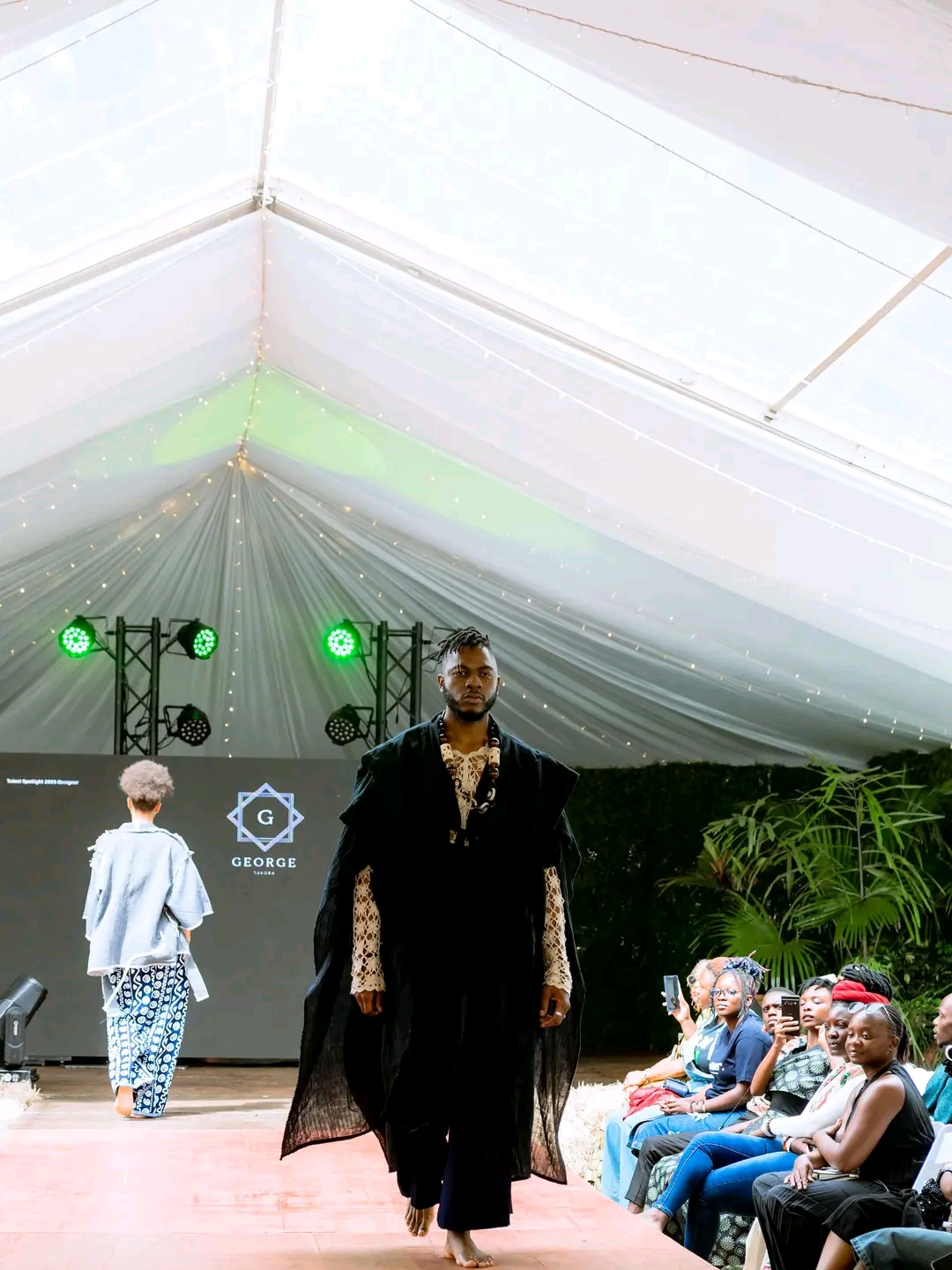
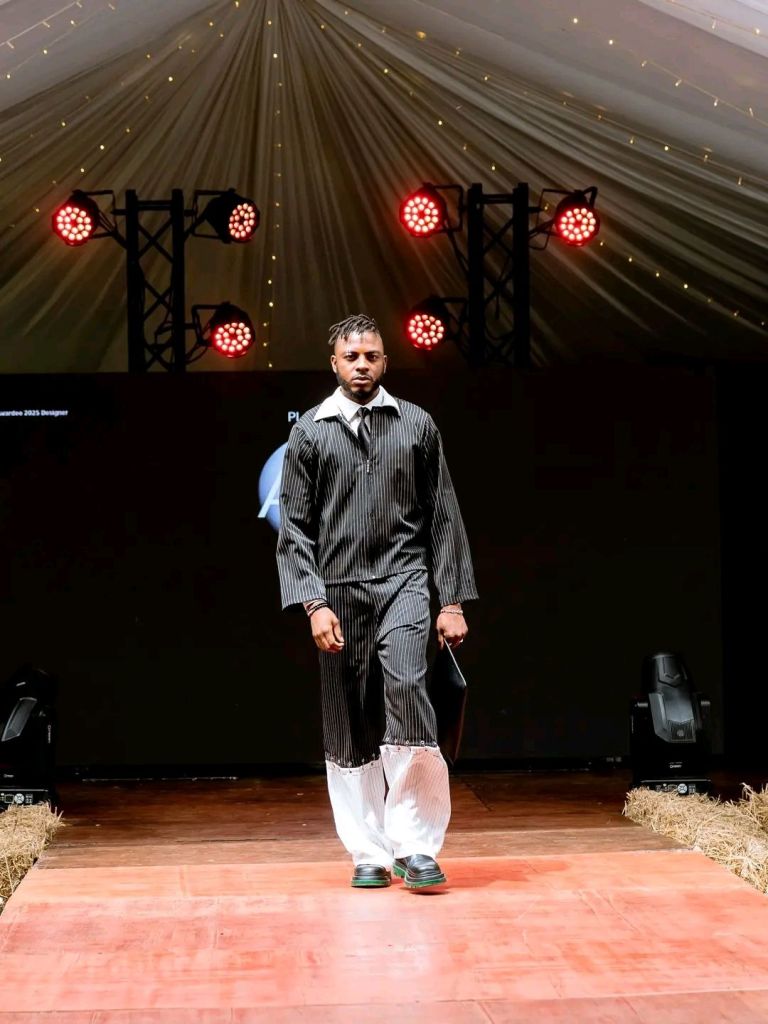
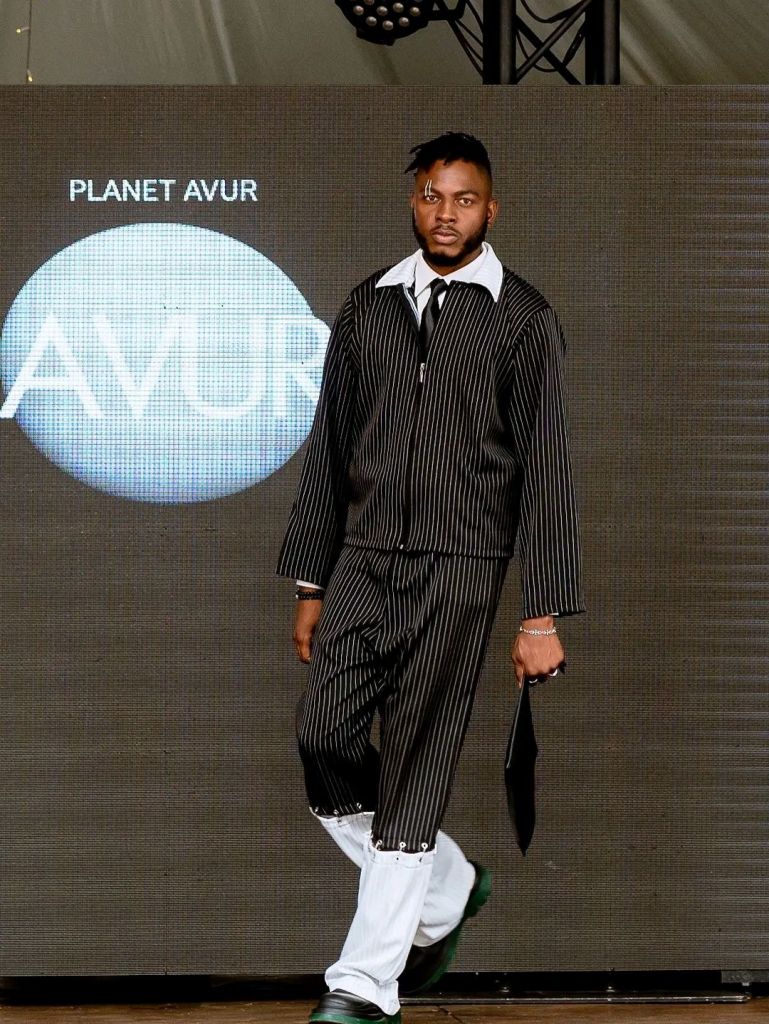
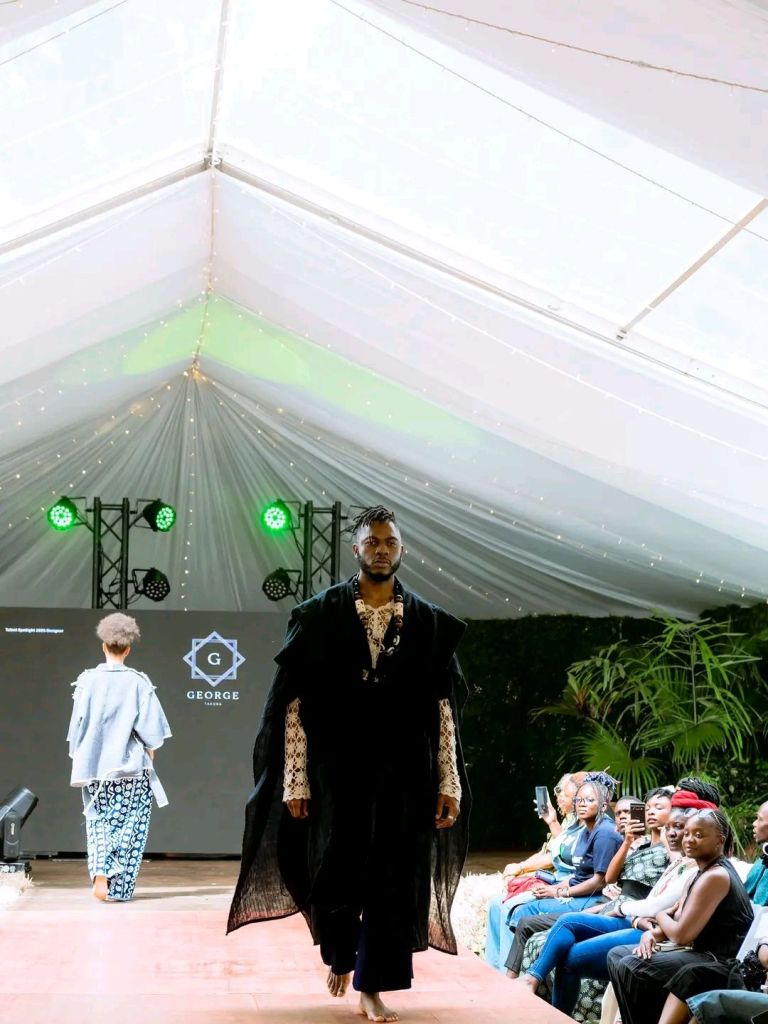
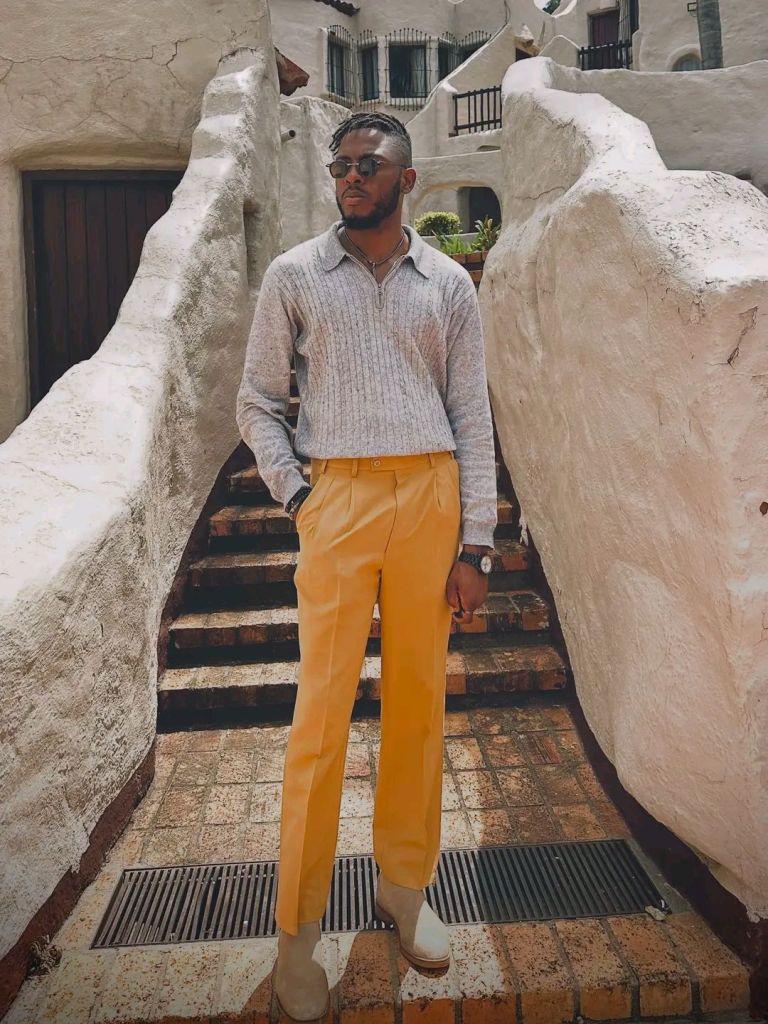
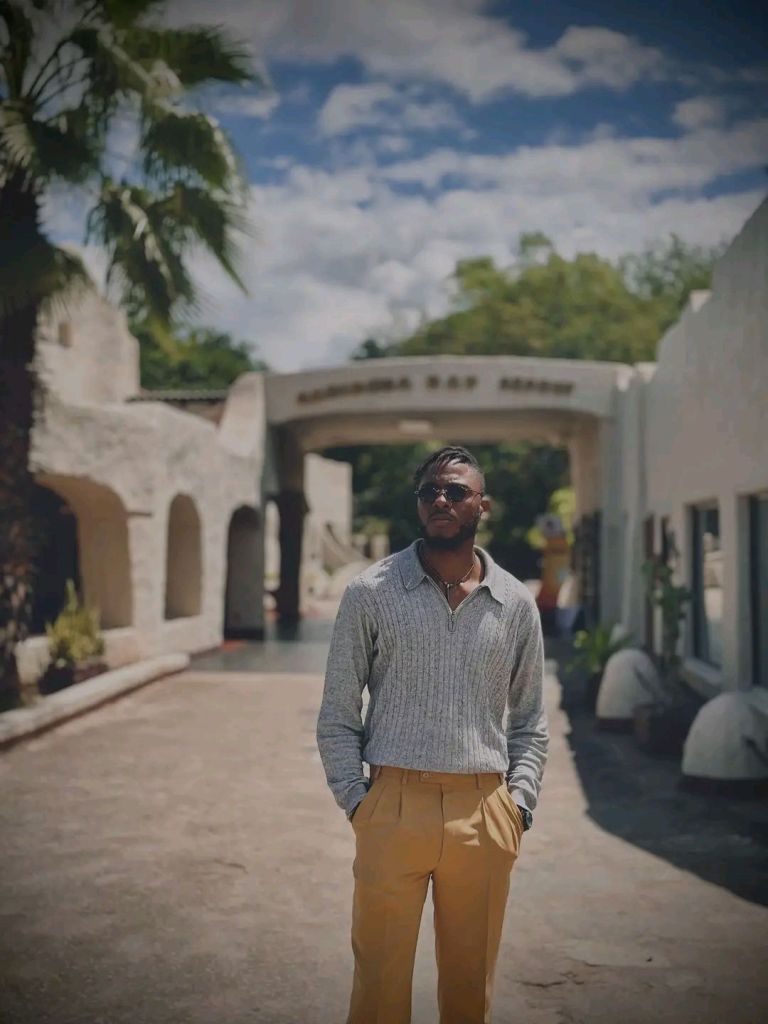
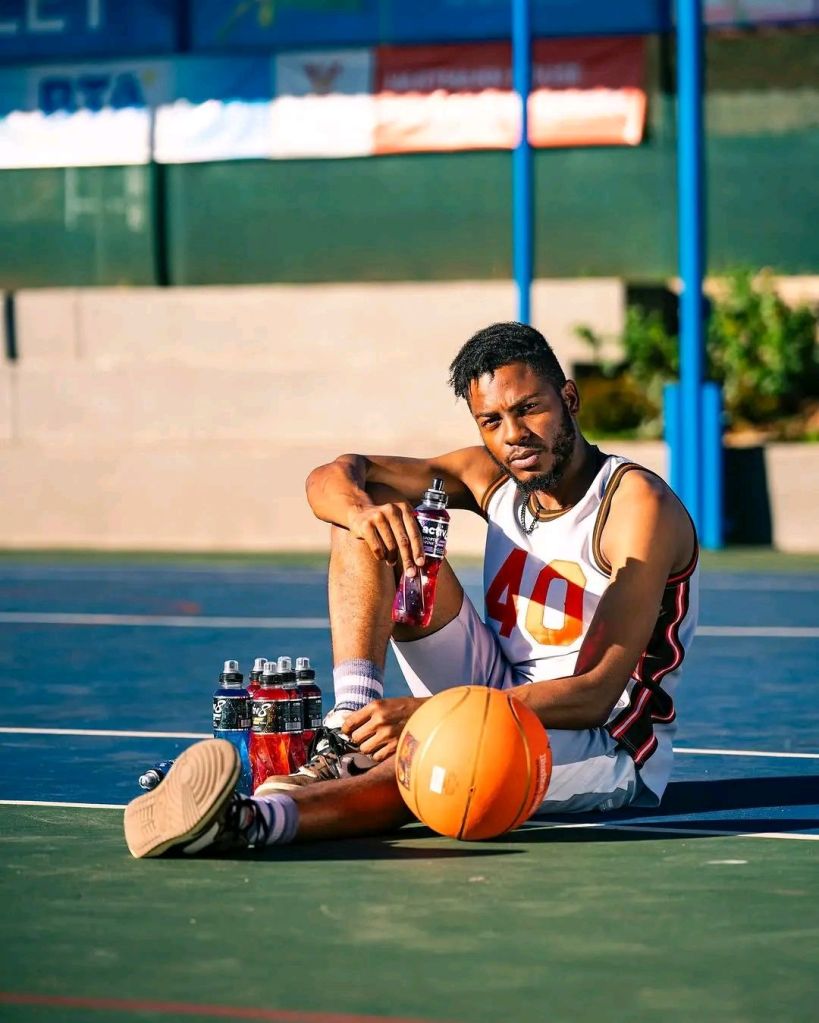
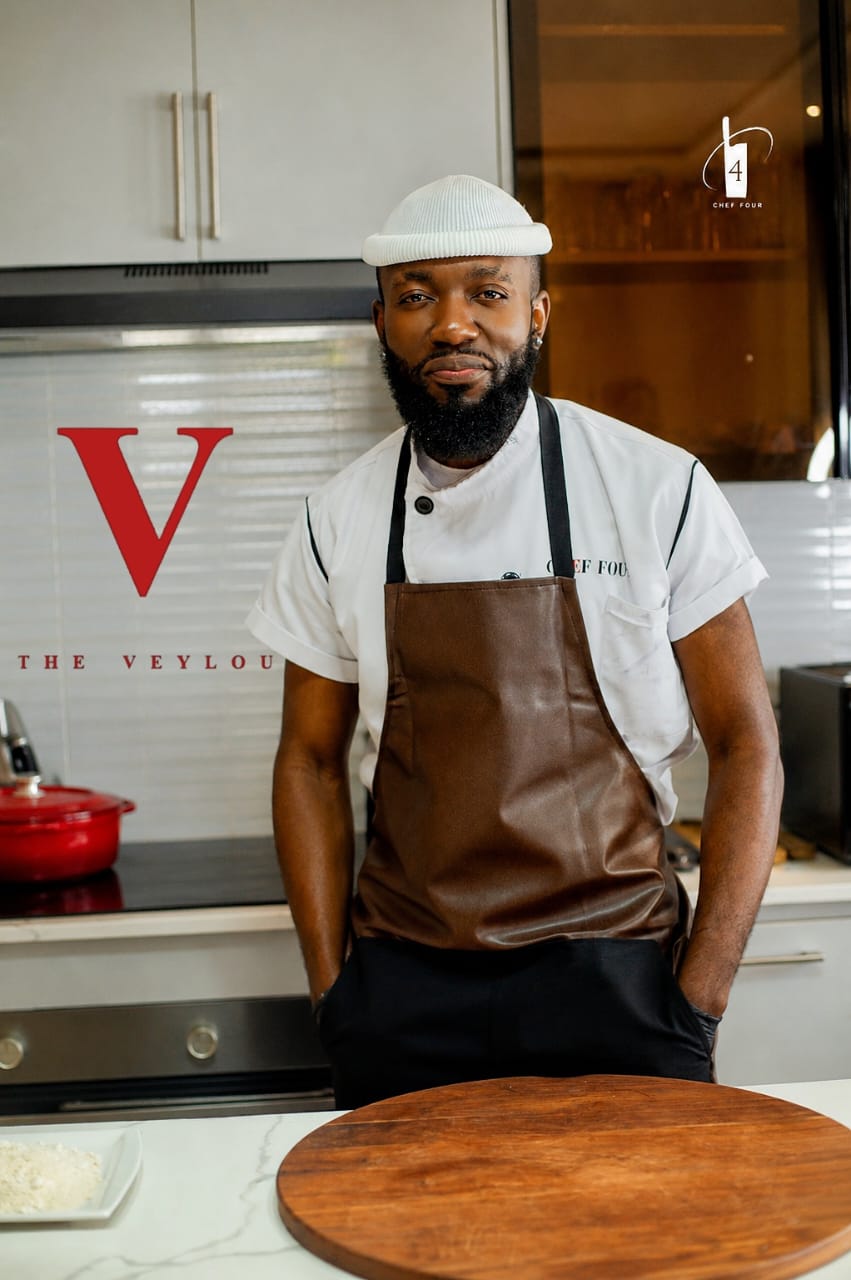
Step into the world of Terrence — Bulawayo’s laid-back showstopper who turns heads the moment he walks through the door. He’s walked for Listo Fashions, became the face House of Lumiere couldn’t stop calling back, and still finds time to shoot films and weddings behind the lens. Equal parts commercial model, cinematographer, and minister of the Word, Terrence is proof that African style isn’t just about what you wear — it’s about the story, the soil, and the swagger you bring. In this candid Q&A for Fashion Inspirations, he opens up about runway screams, biri-marung dance fails, why Sadza beats everything, and the advice he wishes he had when he started. Spoiler: authenticity wins every time.


Q: Terrence, for those meeting you for the first time, how would you describe yourself in three words?
A: I’d describe myself as a laid-back person, but I command attention when I enter rooms that matter.

Q: You’re involved in both pageantry and commercial modelling. Which one stole your heart first, and what drew you into the industry?
A: Commercial modelling stole my heart first because of the weight it carries. I’m able to express myself better there, think outside the box, and I’ve always wanted to be a brand ambassador for clothing lines or products. My love for fashion drew me into the industry.

Q: Bulawayo has produced incredible talent over the years. How has growing up in the City of Kings influenced your journey as a model?
A: Wow, this one is huge. If I talk about the influence I got from the City of Kings, we’d be here all day. I’m also into cinematography and acting, and those three things really shaped my journey. The knowledge I had made it easier to meet people who helped me get started.

Q: Every model has that one unforgettable moment on stage or during a photoshoot. What’s been your most memorable experience so far?
A: Haha, the most unforgettable moment was walking the runway for Listo Fashions when I was really in shape. When the ladies start screaming, it messes you up a bit and boosts your confidence to 1000%, but you still have to control yourself so you don’t mess it up. I still look at the pictures from that event and think, “Wow, I had it.”

Q: Be honest — what’s the funniest thing that’s ever happened to you during a pageant or modelling event?
A: The funniest thing makes me cringe  every time. They had us dancing to Biri Marung… and my friends were like, “Was the dancing necessary? You looked stupid!”  Trust me, I’ll never forget that day.

Q: When you’re not striking poses or walking the runway, what does a typical day in Terrence’s life look like?
A: When “lights, camera, action” stops, I switch into the guy behind the camera shooting movies, weddings, and other projects. I’m blessed to work both in front of and behind the lens. I’m also employed at Reign Gases, one of the biggest gas companies in Zimbabwe — always a busy man.

Q: Social media often shows the glamorous side of modelling. What’s one thing people would be surprised to learn about the reality of the industry?
A: One thing that might shock people is that I’m a minister of the Word of God, big time. And I love Sadza and offals over every other meal.

Q: If you could collaborate with any African fashion designer, photographer, or brand, who would it be and why?
A: If I could collaborate with a designer, it would be Kente Gentleman in Côte d’Ivoire. I love how they create those interesting suits with an African feel — I’d love to wear them. Locally, it’s definitely House of Lumiere. Beyond our relationship, she picked me up when I’d left the industry and said, “Measure this guy, I want him to wear my clothes. He’s my model now.” That’s how I came back. Shout to my friend Phil for taking me there at the time.

Q: Many young people look up to models and pageant contestants. What advice would you give to someone in Bulawayo who dreams of following in your footsteps?
A: My advice to upcoming models: push yourself, find inspiration, and know exactly who you are as a brand — it makes things easier. And never be too hungry to make it, because every industry has its demons. When you cut corners, they always bite you and throw it back in your face.

Q: Finally, let’s have some fun: if Terrence wasn’t a model, what career would you be pursuing today, and why?
A: If I wasn’t a model, trust me, I’d be doing a lot yoooo. I’ve already mentioned filming and acting. Besides that part of the industry, I think I’d be in security detail or special forces. I have a real love for that world.

South Africa Set to Host Supranational Royalty as Swann Lavigne and Eduarda Braum Arrive in June

South Africa Set to Host Supranational Royalty as Swann Lavigne and Eduarda Braum Arrive in June

The Mister and Miss Supranational 2025 duo, Swann Lavigne from France and Eduarda Braum from Brazil, will be in South Africa in the first week of June, and the continent is watching.

The visit is more than a courtesy stop. South Africa is home to Dr Fezile McKenzie, Mister Supranational 2024, meaning the reigning king and queen will be in the same country as the former titleholder. That kind of continuity is rare in pageantry, giving fans and aspiring contestants a direct link between past and present.

Swann and Eduarda arrive carrying the global image of Supranational: poise, advocacy, and cultural respect. Their engagements will give South Africa’s pageant community a close look at how international titleholders represent the brand beyond finals night.

For South Africa, the visit reinforces its reputation as one of the strongest markets in the Supranational family. For Africa, it’s a signal that the continent is being recognized as a key part of the pageant’s global story. With Fezile McKenzie on home soil, the first week of June is set to be a landmark moment for Supranational in Africa.

Nomaqhikiza Mokoni Carries Zimbabwe’s Hopes and Her Own Vision into Miss Zimbabwe

Nomaqhikiza Mokoni Carries Zimbabwe’s Hopes and Her Own Vision into Miss Zimbabwe

For Nomaqhikiza Mokoni, the Miss Zimbabwe competition has become more than a personal pursuit. It’s a shared experience with a nation behind her. “I’m honestly feeling incredibly grateful,” she says of the journey so far. “It’s been emotional, exciting, humbling, and deeply meaningful in ways I didn’t expect.” Known for building quietly and working independently, Mokoni says the outpouring of support from fans at home and across the globe has changed the way she views the contest. “It reminds me this is no longer just about me. It’s become something much bigger. People voting, praying, posting, and showing up intentionally – it gives me even more motivation to show up with excellence, authenticity, and heart.”

Standing among the top contenders, Mokoni understands what it means to carry Zimbabwe’s name on a national platform. “Representing Zimbabwe means everything,” she says. “It’s part of my identity, my values, and the woman I’ve become.” She sees the stage as a chance to reflect the country’s resilience, beauty, strength, and culture, but also as a personal mission. “I know what it’s like to grow up without always seeing your possibilities reflected back at you. If my journey helps even one young Zimbabwean believe differently about what’s possible for them, that matters deeply.”

Advocacy has long been part of Mokoni’s work, and she plans to deepen it when she returns home. Her immediate focus is on educational support for children in underserved and rural communities, because she believes education builds “foundation, dignity, and possibility.” She’s also mentoring over 200 aspiring fashion models, offering honest guidance, portfolio help, and professional exposure. Looking ahead, she wants to create something Zimbabwe lacks: a dedicated fashion-modeling agency and model camps focused on fashion work. “Beyond fashion, I want to keep building initiatives that create opportunity, guidance, and support for young people chasing their dreams. As I grow, I want to grow with others.”

When online chatter suggested she was out of the competition, Mokoni met it with composure rather than confrontation. “It reminds you how quickly narratives can form,” she says. “I’ve learned to respond with clarity, not emotion. It wasn’t about shutting something down, but giving people the truth respectfully. Public platforms come with attention and speculation, but how you respond says a lot about your character.” She addressed the misinformation calmly, then refocused on the competition.

As the contest continues, Mokoni holds to words that have carried her this far: “Where you begin does not determine where you can go.” And for her, beauty starts closer to home – “Beauty begins with self-belief.”

Zimbabwe’s Royce Gavi Crowned Mister Heritage Global After Carrying His Culture Onto the World Stage in the Philippines

Zimbabwe’s Royce Gavi Crowned Mister Heritage Global After Carrying His Culture Onto the World Stage in the Philippines

Good day in Filipino is “Magandang araw” and thank you is “Salamat”. Those two phrases were probably the first things Royce Nyathi learned to say properly after his name was called out in the Philippines, because from that moment he wasn’t just representing himself anymore. He was standing on that stage as Mister Heritage Global, carrying the weight and the pride of Zimbabwe in a room full of cultures from across the world.

The disbelief was still raw when he tried to describe what happened the second his name echoed through the venue. He calls it a night he feels like he’s waited for his whole life. There’s ecstasy in his voice, but also something quieter underneath it, a kind of thankfulness that goes beyond the trophy and the title. For Royce, winning wasn’t an accident of one evening. It was the payoff of years of building, starting long before he even won the national contest back home. He walked into Mister Heritage representing Zimbabwe, and he walked out with the global crown, and in that moment his mind was a blur of gratitude, shock, and the sudden realization that every bit of effort had led here.

When you’re on an international stage that’s built around culture and heritage, the question isn’t just how you look or how you speak. It’s what part of who you are you choose to put in front of the world. Royce went with the things you can’t touch but you can feel: cultural dances and indigenous languages. He wanted to show something intangible, something that lives in the rhythm of drums, in the movement of bodies, in the sound of Shona and Ndebele words spoken the way they were meant to be spoken. The reaction was immediate. The audience was thrilled, leaning forward, trying to catch the steps, attempting to mimic the sounds even if their tongues stumbled. Judges don’t just score poise and presentation in a competition like this. They score connection, and Royce gave them something they could feel in their chest even if they didn’t understand every word.

Living in the Philippines for several days flipped the spotlight. Suddenly he was the one watching, learning, absorbing. What struck him most was how deeply entertainment and dance are woven into everyday life there. Every contestant had a piece of the Philippines to show, and the way they performed, the way they owned those dances with joy and precision, left an impression on him that he says he’ll never forget. It wasn’t just a performance to him. It was a reminder that culture is alive when people are willing to move with it, laugh with it, celebrate it without apology. He came to represent Zimbabwe, but he left with a piece of the Philippines tucked into his memory, a tradition of movement and celebration that he now respects in a personal way.

No one talks enough about how hard the language barrier can make something like this. For Royce, it was the toughest part. Instructions, conversations, quick changes behind the scenes, all of it became harder when you’re trying to think in one language and respond in another. He leaned on translation apps, even though they were slow and clunky, and he had to build patience into every interaction. That slow process of decoding and being decoded tested him more than any physical rehearsal. But it also forced a kind of humility and focus. You can’t fake understanding when the words don’t come easy, and you learn to watch people more closely, to listen for tone, to communicate with your hands and your presence when your vocabulary fails you.

The title now puts Zimbabwe in a different kind of spotlight, and Royce is aware of what that means for young people back home who see this and think maybe they could do the same. His message is straightforward and hard-won. Hard work pays. He’s quick to point out that this journey didn’t start the day he won nationally. It started long before, in the quiet work of building himself up physically, financially, and mentally. International contests aren’t just about talent on the night. They drain you in every way, and the only way to survive that drain is to have already poured into yourself for years. He wants other Zimbabweans to know that the stage is reachable, but it demands everything you have before you even get there.

Off stage, he was an ambassador whether he intended to be or not. People were curious about Zimbabwe, and the questions came fast. The thing that fascinated them most was the languages. Zimbabwe’s linguistic diversity became a conversation starter, and Royce leaned into it. He made videos of people trying to say a few words in Shona and Ndebele, capturing their laughter and their effort. In those small moments, home wasn’t an abstract idea. It became a sound, a syllable, a shared joke when someone butchered a word and everyone laughed together. That’s how he described home to them. Not just as a place on a map, but as a living language, a dance, a way of being that people could participate in, even for thirty seconds on a phone screen.

Now that he’s Mister Heritage Global, the work shifts from winning to using the platform. Royce isn’t interested in letting the title sit on a shelf. His plan is to bring it back home and use it to push Zimbabwe’s culture, tourism, and heritage into spaces where they haven’t been seen enough. He understands that a crown without purpose is just metal, and he wants to turn this moment into momentum. That means telling Zimbabwe’s story in a way that makes people want to come see it, hear it, and feel it for themselves. It means showing that heritage isn’t something locked in museums or textbooks. It’s in the way people move, speak, and celebrate when no one’s telling them to perform.

What makes Royce’s win resonate is that it never felt like a performance for points. It felt like a person deciding that the most powerful thing he could do was to be unmistakably Zimbabwean in front of the world, and trust that it would land. The dances landed. The languages landed. The gratitude landed. And now, with “Magandang araw” and “Salamat” sitting alongside his Shona and Ndebele, he’s carrying two countries in his story, using one to open doors for the other. That’s the kind of representation that sticks, because it doesn’t ask for pity or applause. It just shows up, fully, and lets people feel why it matters.

How do you want to use this piece, and are you looking to adapt it for a specific publication or social post?

Mpumalanga Kings showcase their culture

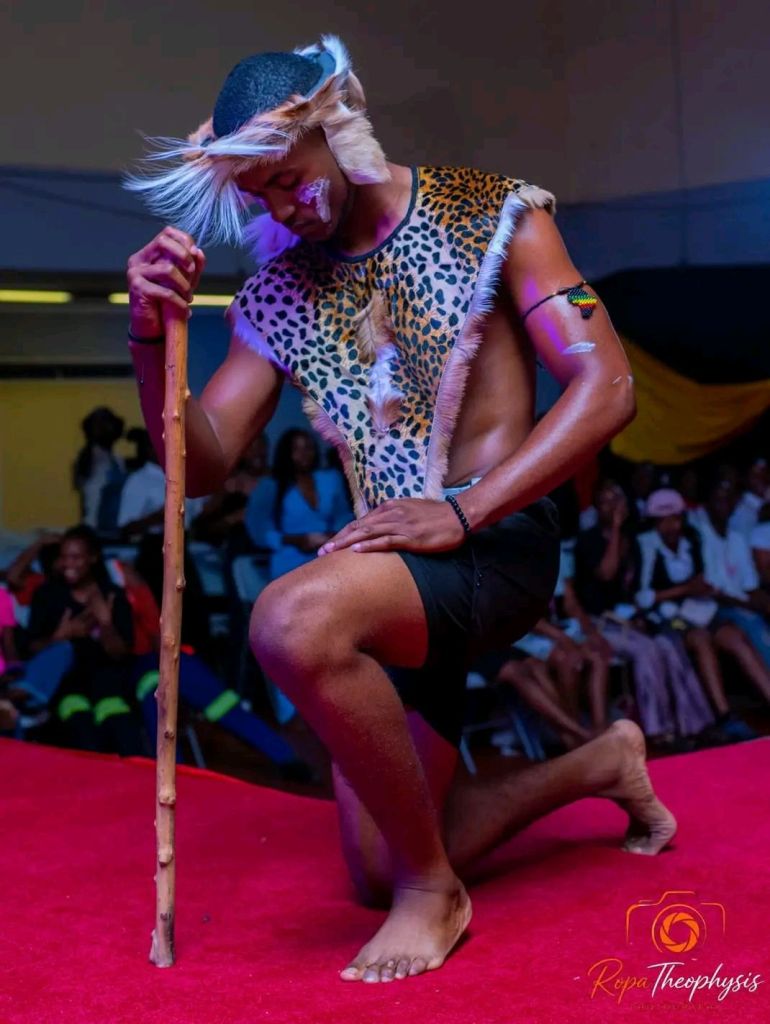
As the road to the Mister Mpumalanga crown heats up, style, culture and identity are taking center stage. The aspiring contestants are not only competing for a title, but also proudly embracing the heritage that defines them through vibrant and symbolic national costumes. From bold traditional patterns to garments inspired by African royalty and modern cultural expression, each model is using fashion as a powerful statement of pride, unity and self-expression.
The showcase celebrates the rich diversity of Mpumalanga while giving contestants an opportunity to tell their stories beyond the runway. With confidence, elegance and cultural authenticity, these future kings are proving that Mister Mpumalanga is more than just a pageant — it is a celebration of African identity, heritage and the next generation of role models.

Samukelo Tala: A Proud African Voice Championing Culture, Identity and Ubuntu on the Road to Mister Mpumalanga

Samukelo Tala: A Proud African Voice Championing Culture, Identity and Ubuntu on the Road to Mister Mpumalanga

Samukelo Tala is emerging as a young South African personality whose journey into pageantry is deeply rooted in cultural pride, identity, and purpose.

As an aspiring Mister Mpumalanga contender, he represents a growing generation of African youth who are choosing to define success not only through achievement and appearance, but through values, heritage, and community impact.


At the core of his story is a powerful expression of what it means to be African. Samukelo speaks with conviction when reflecting on his identity


“I’m proud to be African because I come from a continent of resilience, diversity, and unbreakable spirit. Our culture, history, and sense of Ubuntu remind me that strength grows through community and that Africa’s future is built on pride, creativity, and hope.”


This statement captures the essence of his worldview — one shaped by cultural awareness and a deep appreciation of the continent’s strength. For him, being African is not just a label of origin, but a lived experience of resilience, unity, and pride passed down through generations.


Samukelo Tala believes that Africa’s true power lies in its diversity. From languages and traditions to music, fashion, and storytelling, he sees the continent as a rich mosaic of cultures that should be celebrated rather than forgotten.

In his view, young Africans have a responsibility to preserve this heritage while also embracing modern opportunities that allow them to compete on global platforms.


He often describes Africa Day as a meaningful reminder of unity and reflection. To him, it is not simply a commemorative date, but a call for Africans to reconnect with their roots and to recognize the importance of collective progress.

He emphasizes that Africa Day should inspire real transformation — encouraging education, entrepreneurship, cultural pride, and youth empowerment across communities.


For Samukelo, culture is not something to be observed from a distance; it is something to be lived.

He values the principle of Ubuntu, the belief that “I am because we are,” as a guiding philosophy in both his personal life and public journey. He believes that African identity is strengthened when individuals uplift one another, share opportunities, and build together.


His pursuit of the Mister Mpumalanga title reflects more than ambition — it reflects responsibility. Samukelo sees pageantry as a platform for leadership, self-expression, and influence. He aims to challenge stereotypes about modern African masculinity by promoting values such as respect, emotional intelligence, discipline, and service to community.


In his words and actions, he presents himself as a young man committed to growth, not only for himself but for those who look up to him. He believes that African youth should carry their identity with pride, walk confidently in their culture, and never feel the need to disconnect from their roots in order to succeed.
As his journey continues, Samukelo Tala stands as a voice of cultural pride and African identity. His message is clear and consistent — Africa is not a continent to be defined by its challenges alone, but by its creativity, resilience, unity, and hope for the future.


In the evolving landscape of youth leadership and pageantry in South Africa, he is positioning himself as more than a contestant. He is becoming a symbol of cultural pride, a believer in Ubuntu, and a young African determined to carry his heritage forward with dignity and purpose.

Melvin Manqoba: The Face and Heart of “The Place of the Rising Sun”

Melvin Manqoba: The Face and Heart of “The Place of the Rising Sun”


_On identity, discipline, and why Mpumalanga deserves the world’s attention_

Mpumalanga doesn’t introduce itself with noise. It waits for the horizon to catch fire at dawn, and then you understand why locals call it “The Place of the Rising Sun.” For someone who’s never set foot in South Africa, that’s where you start—standing on the edge of the escarpment as the Lowveld stretches out below you, the first light spilling over God’s Window like it’s peeling back a curtain.

“When you’re there, you don’t just see it,” says Melvin Manqoba. “You feel the cold mountain air hit your face, and then ten minutes later you’re in the valley where it’s warm and the smell of citrus and red earth is in everything. You taste it too—our biltong, our fresh oranges, the pap and chakalaka that tastes different here because the soil gives it something you can’t explain.” It’s a province of contrasts that sit together without apology: mountains, grasslands, wildlife, and waterfalls all within a few hours’ drive. That’s the first thing you need to know about Mpumalanga. It shows you possibility before you’ve even had coffee.

Every province in South Africa carries its own rhythm, but Mpumalanga’s is distinct because it refuses to be put in a box. “We’re not just bushveld and Kruger,” Melvin explains. “We’re miners and farmers, artists and athletes, people living between rural villages and growing cities like Mbombela and eMalahleni. What makes us stand alone is that we’re the bridge—between wilderness and industry, between tradition and what’s coming next. You can spend the morning tracking lions and the afternoon in a boardroom. That mix builds people who are adaptable, who don’t wait for permission to build something.”

That adaptability shows up in how Melvin talks about his own drive. When the pageants are over, the cameras off, and there’s no crowd to perform for, what keeps him moving is quieter than ambition. “The engine is responsibility,” he says. “I grew up watching my mother wake up before sunrise to make sure we had food and transport. If she could do that without applause, I can show up for training, for the kids at Tennis Base, for the commitments I make. Discipline isn’t motivation. It’s deciding that your word matters even when no one is watching.”

That mindset is why fitness and mental health aren’t side projects for him—they’re part of the job of being a titleholder. “Working out keeps my body ready, but more than that it keeps my head clear,” Melvin says. “When you’re representing a province, people are watching how you carry yourself under pressure. If I’m not disciplined with sleep, food, training, and time for quiet, I start making sloppy decisions. A titleholder can’t just look the part. You have to have the stamina to serve when things get heavy. Physical health gives you the energy, mental health gives you the judgment. You need both.”

Much of that service happens off the stage at Tennis Base, where Melvin has been involved with coaching and outreach in under-resourced communities. “We’re serving kids who have never held a racket, who think tennis is a sport for other people,” he says. “What it taught me about leadership is that you don’t lead by talking the most. You lead by showing up on a dusty court at 6 AM, setting up cones, and hitting balls with a kid who’s too shy to make eye contact. Leadership off the stage is about being consistent where it’s inconvenient.”

That commitment caught the attention of Tennis South Africa, and Melvin recently spent a day with the President of the organization. For him, the moment wasn’t about a photo op. “It meant that someone at the top was willing to listen to what’s happening on the ground in Mpumalanga,” he says. “What I took away was that access is the real barrier, not talent. We have kids who can move, who have hand-eye coordination, who love to compete. What they don’t have is courts, coaches, and transport. I’d bring back the belief that if we build small, sustainable programs in schools and community centers, we can feed into the national system. Mpumalanga doesn’t need a handout. We need a pipeline.”

And yes, he would push for tennis in all schools across the province—not because every child needs to become a pro, but because the sport teaches structure, discipline, and how to lose with dignity. “Tennis teaches you to reset after every point. That’s a life skill,” Melvin says. “To make it happen, you start with teacher training and portable equipment. You don’t need 20 courts. You need one wall, one racket, and one coach who cares. Partner with municipalities for public courts, bring in sponsors for equipment drives, and use athletes like me to run clinics. You build it in layers so it doesn’t collapse when the funding shifts.”

If crowned Mister Mpumalanga 2026, the initiative he’d launch in the first 100 days is called “Rise Courts.” The focus: convert unused school and community spaces into multi-purpose sport zones, starting with 5 rural areas. “Youth unemployment and lack of access to sport are connected,” he argues. “Give young people a place to train, and you also give them a reason to show up, to stay out of trouble, and to learn teamwork. I’d pair it with mentorship and basic entrepreneurship training so the coaches and older kids can run the programs themselves. Why that one? Because it’s visible, it’s doable in 100 days, and it creates momentum. People need to see change, not just hear promises.”

For Melvin, the title of Mister Mpumalanga carries weight beyond appearance. “It means you’re a custodian,” he says plainly. “On a national stage, you’re carrying the stories of a province that’s often overlooked. Integrity means you don’t exaggerate, you don’t disappear after the crowning, and you don’t speak for people without having sat with them first. You represent by listening, then acting. If you can’t do that, you shouldn’t wear the sash.”

When asked why he should be the one to walk out with the crown, Melvin doesn’t pivot to clichés. “Because I’ve been doing the work when it didn’t have a title attached to it,” he says. “Because I understand both the boardroom and the dirt court. Because I’m from here, I know the challenges, and I’m not scared of the slow, unglamorous work that actually changes things. The crown isn’t the goal. It’s a tool. And I intend to use it to open doors for kids in Mpumalanga who’ve been told their dreams are too big for where they come from.”

That’s the thread running through everything he says: rising early, showing up, and refusing to let the place you come from define the limits of what you can build. In Mpumalanga, the sun rises first. With the right leadership, the people do too.

What do you think would be the biggest challenge in getting “Rise Courts” running in rural schools within 100 days?

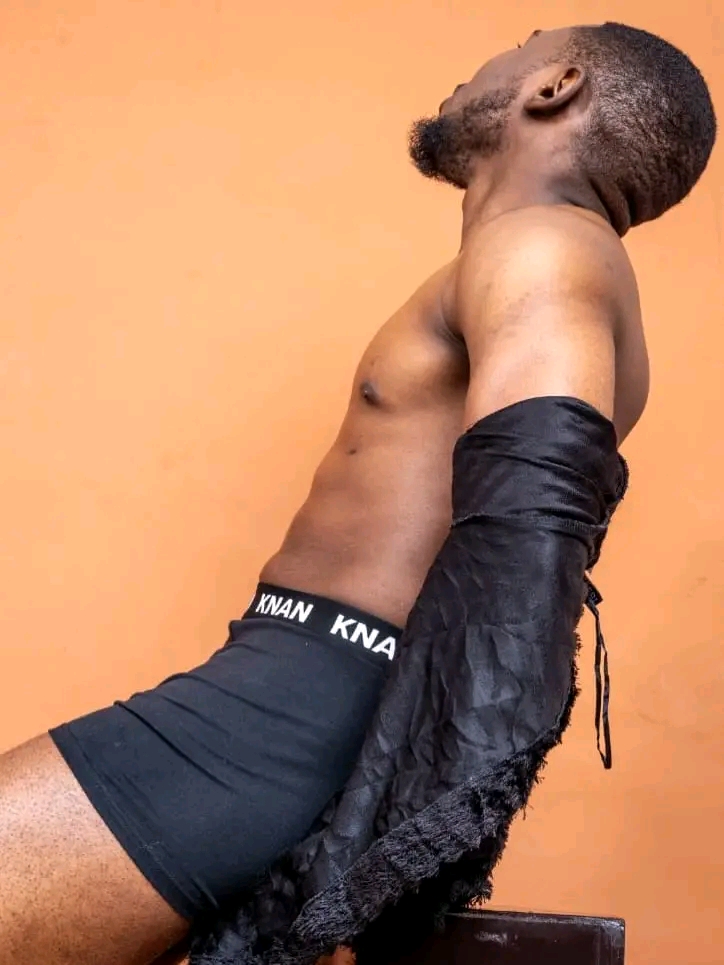
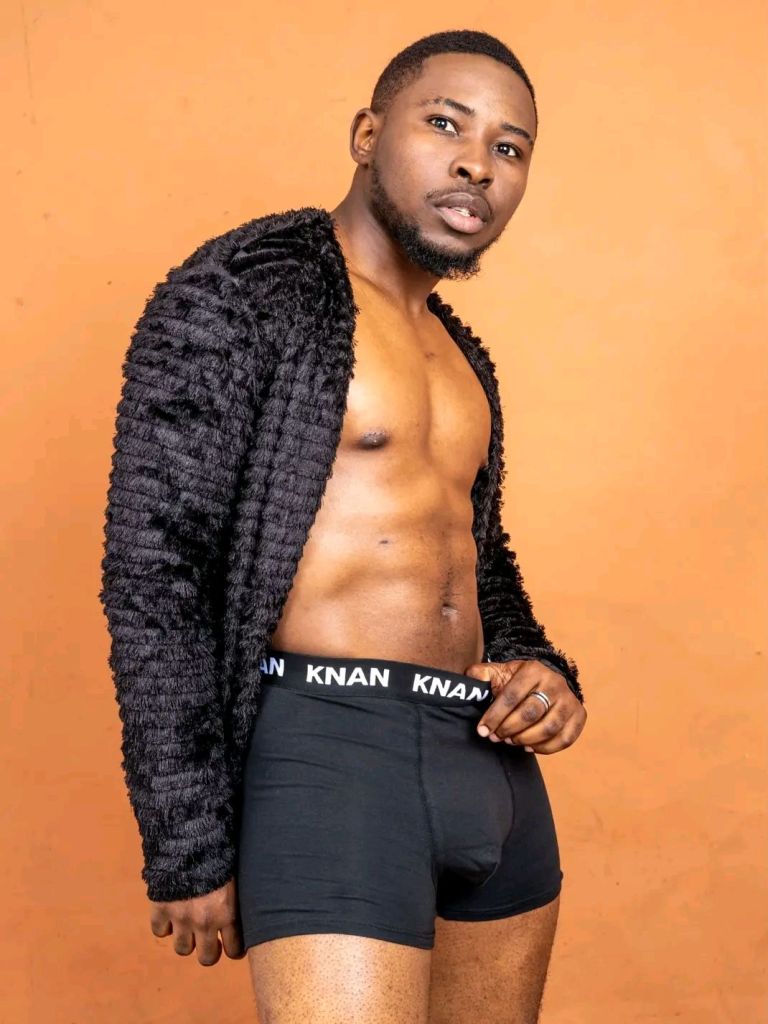
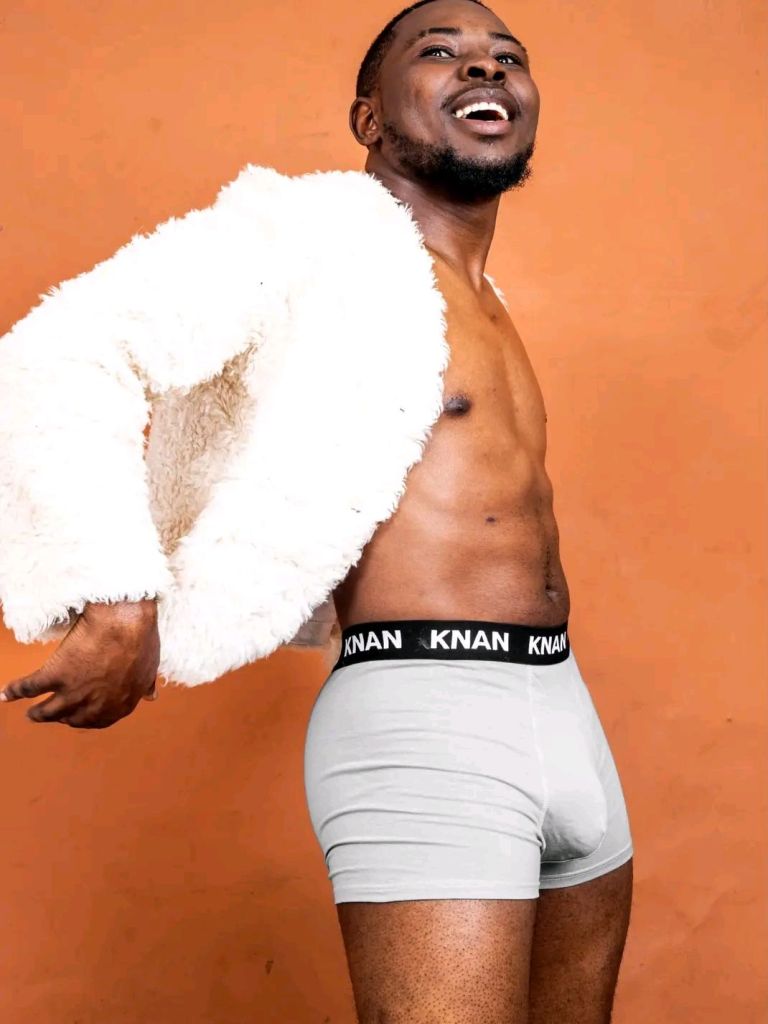
Knan, Zimbabwe’s First Homegrown Underwear Label, Is Packaging Luxury in a Blue Box

Knan, Zimbabwe’s First Homegrown Underwear Label, Is Packaging Luxury in a Blue Box
Founder speaks on building “the land of honey and milk” into a brand for the body

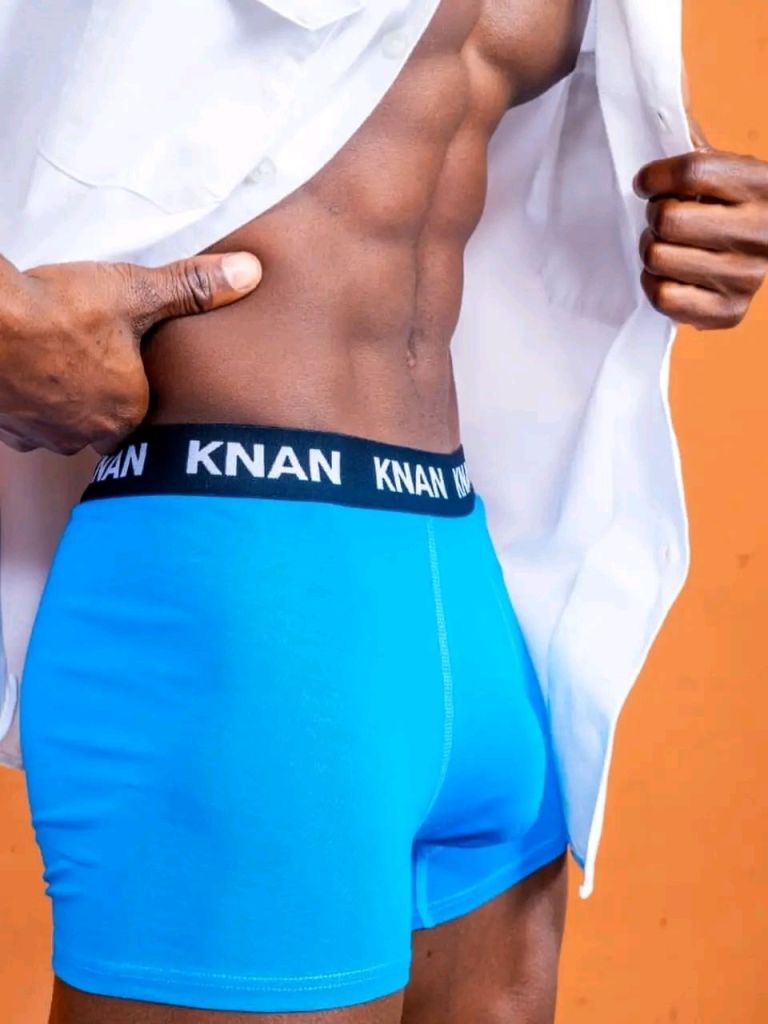
In a market where luxury has long been imported and fashion conversations rarely venture below the belt, a new name is stitching its own definition of comfort into Zimbabwe’s landscape. It’s called Knan—pronounced exactly like Canaan—and it’s positioning itself as the first locally owned and manufactured underwear brand in the country. The product arrives in a signature blue box. The promise arrives with it.

“Knan is basically from the word Canaan, the biblical term for the land of honey and milk—the fully promised comfort and luxury,” says the founder.

“The idea was that I wanted to create something that somehow represented that feeling of comfort and luxury that awaits whoever is going to get the chance to experience the product.”

That single sentence captures the entire philosophy behind the brand. It isn’t just about fabric against skin. It’s about anticipation, about the moment before you even feel the cotton, when you already know you’ve stepped into something considered and intentional.

That ethos has shaped everything from the sourcing to the unboxing. Right now Knan produces men’s underwear in five colors: Black, Navy, Sky Blue, Red, and Grey, with sizes running from waist 28 up to 40. Every pair is cut from 100% Gokwe cotton, sourced and crafted in Harare’s Arcadia district. The operation may not yet run a sprawling factory floor, but what it lacks in scale it makes up for in precision and care.

“Although we do not have a huge factory yet, our highly skilled team puts in extra hours and skills to make sure the product is of the greatest quality we can produce out there,” the founder explains. The material is inspected for uniformity before it ever hits a machine. The machinery itself is top of the range. And the tailors behind each stitch bring years of experience from the industry, treating what many consider a basic garment with the attention usually reserved for outerwear.

The decision to start with underwear was not random. It was a response to a gap the founder noticed in the local market.

“I decided to focus on underwear because in Zimbabwe we didn’t really have a locally owned and manufactured underwear brand,” they say.

“This was an underutilized market, and having to be the pioneer in the underwear industry just felt like the right direction for me.”

While most emerging labels in Zimbabwe chase jackets, shirts, and streetwear, Knan looked inward to what people wear first and take off last. Competing against global heavyweights like Calvin Klein and Tom Ford meant the brand had to find a way to stand apart immediately, both visually and experientially. The answer came in the form of the box.

“The introduction of a box and making the box blue was a shot in the right direction,” the founder notes.

“That made Knan unique and easily identifiable with the masses.”

The blue box has become more than packaging. It’s a signal. It tells you this isn’t an afterthought purchase from a shelf. It’s a gift-ready product, designed to be delivered as is, without needing wrapping or explanation. For a market unaccustomed to treating underwear as something worth gifting, that shift has mattered. It has made people look twice at a category they previously overlooked.

That shift is visible online too. Knan’s early traction has come largely through social media, where the brand’s styling, models, and presentation have cut through the noise.

“As for the love on social media, I think we came in with something different,” the founder says.

“Currently everyone who has an idea to get into the fashion space, they think of clothes, so an underwear brand is something new and exciting for people.”

The brand didn’t just launch quietly. It went all in on casting, imagery, and narrative, and that investment paid off. People began to realize that underwear could be a niche worth exploring, and that a local label could carry the same visual language as the international names they already knew. The excitement is mutual.

“The fact that we went all in with the models and all, people get excited—and we love that.”

What’s being sold, ultimately, is not just cotton and elastic. It’s the anticipation of luxury before the box is opened.

“Before one even gets to feel the box, going on the official pages, you can clearly feel that there you have stepped in a luxurious space,” the founder says.

“So that feeling is what one gets as well the moment they open the box in person.”

That continuity between digital experience and physical product has helped Knan build a sense of trust quickly. Customers know what to expect before they ever hold it in their hands, and the product delivers on that expectation.

For now the brand is menswear-only, but that won’t stay the case for long. A women’s line has already been produced and is waiting for the right moment to launch.

“We have ladies already made and ready as well, just waiting for the right time for us to launch them,” the founder explains.

“We’re still making sure that the brand has the right footing, and once we’re convinced, we put out for ladies as well.”

The same careful approach applies to expansion. There’s no rush to flood the market. The priority is to make sure the foundation is solid, the quality is consistent, and the brand identity remains clear.

Beyond women’s wear, the roadmap includes opening Knan’s first official retail store before the end of the year, giving customers a physical space to experience the brand beyond social media and delivery. Kids’ underwear is also on the horizon, extending the idea of comfort and quality to younger customers and to families looking for locally made options.

Knan’s appeal ultimately comes down to specificity. It is unapologetically Zimbabwean in origin, built on Gokwe cotton and Harare craftsmanship, yet it carries an ambition for quality and presentation that feels global.

“If you love quality stuff, Knan is your brand,” the founder says plainly. “Anyone who has great taste and minds the quality of fabric they put on themselves is who we’re looking for at Knan.” It’s a direct statement, and it reflects the confidence of a brand that knows exactly who it’s for.

In a category defined by what’s hidden, Knan is making its presence known—one blue box at a time. It’s a reminder that luxury doesn’t have to be imported to be legitimate, and that the most personal garments can also carry the most public statement about where you come from and where you’re headed.
Zimbabwe’s Voice Goes Global: Royce Gavi Heads to Mister Heritage

Zimbabwe’s Voice Goes Global: Royce Gavi Heads to Mister Heritage


As he gets ready for Mister Heritage in the Philippines, Royce is  thinking less about the stage lights and more about what his  bringing with him. Zimbabwe’s culture, language, and stories don’t need translation to be powerful. Here’s what he wants the world to know.

Q: What excites you most about representing Zimbabwe at Mister Heritage in the Philippines?
A: The chance to let people meet Zimbabwe beyond the headlines. I get to show the creativity, warmth, and optimism that runs through us, and that matters more to me than any title.

Q: What unique qualities do you think you’ll bring to the competition?
A: Authenticity, cultural pride, and resilience. I’m proud of where I come from, and I’m also open to learning from everyone else in the room without losing that foundation.

Q: How do you plan to showcase Zimbabwe’s rich cultural heritage on the international stage?
A: By using the platforms people already use every day. Instagram and TikTok let me share our music, fashion, language, and stories in a way that feels current and real.

Q: Can you share a piece of advice that’s stuck with you, and who shared it with you?
A: “Believe in yourself.” My father, Mr. Gavi, made sure I grew up in a space where I could experiment, make mistakes, and keep going. That shaped how I approach every challenge.

Q: If you were to win Mister Heritage, what’s the first initiative you’d undertake to give back to Zimbabwe?
A: I’d focus on indigenous languages. They’re part of our identity but often overlooked. I want to start in schools, making them something young people are proud to speak and preserve.

Q: What’s a common misconception about Zimbabwe you’d like to address through your participation?
A: That Zimbabwe is a jungle. It’s outdated and inaccurate. I want to show the modern, creative, connected side of the country that most people never see.

Q: How do you navigate being a role model while staying authentic in the spotlight?
A: By sticking to my values. The things that got me here are the same things I’ll hold onto under the spotlight. For me, authenticity isn’t optional.

Want a shorter version of this for Instagram or a press release?

Design a site like this with WordPress.com
Get started