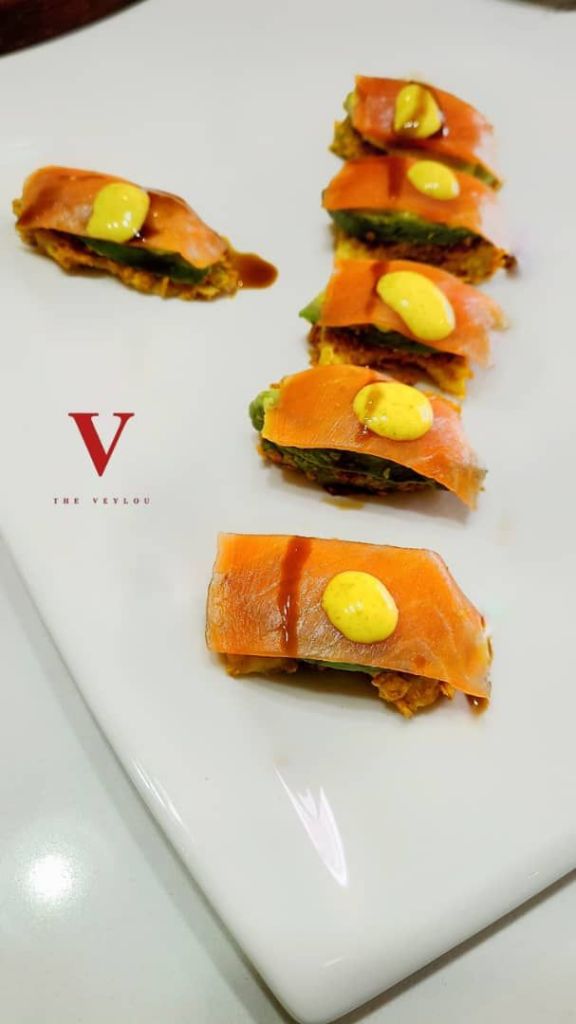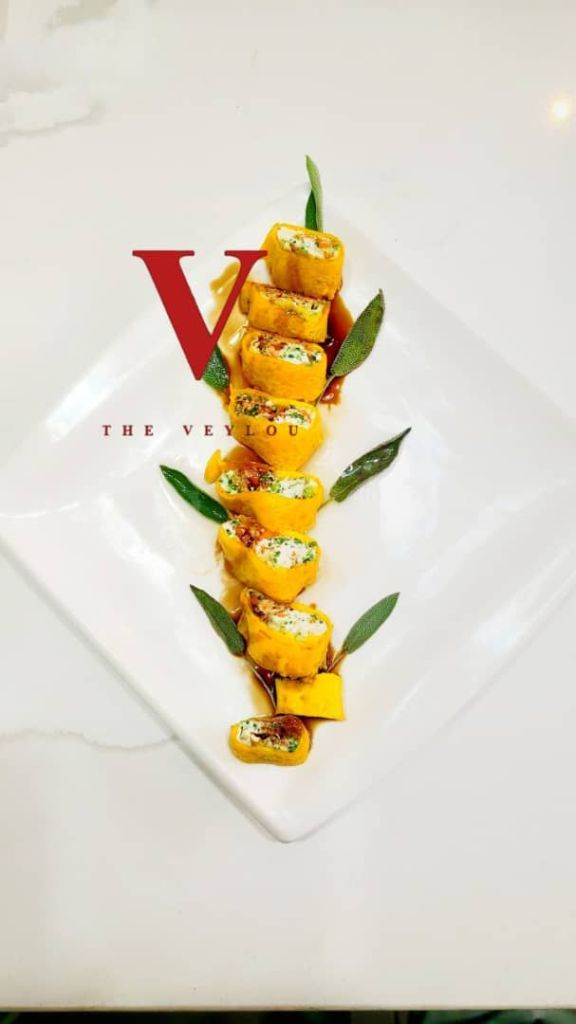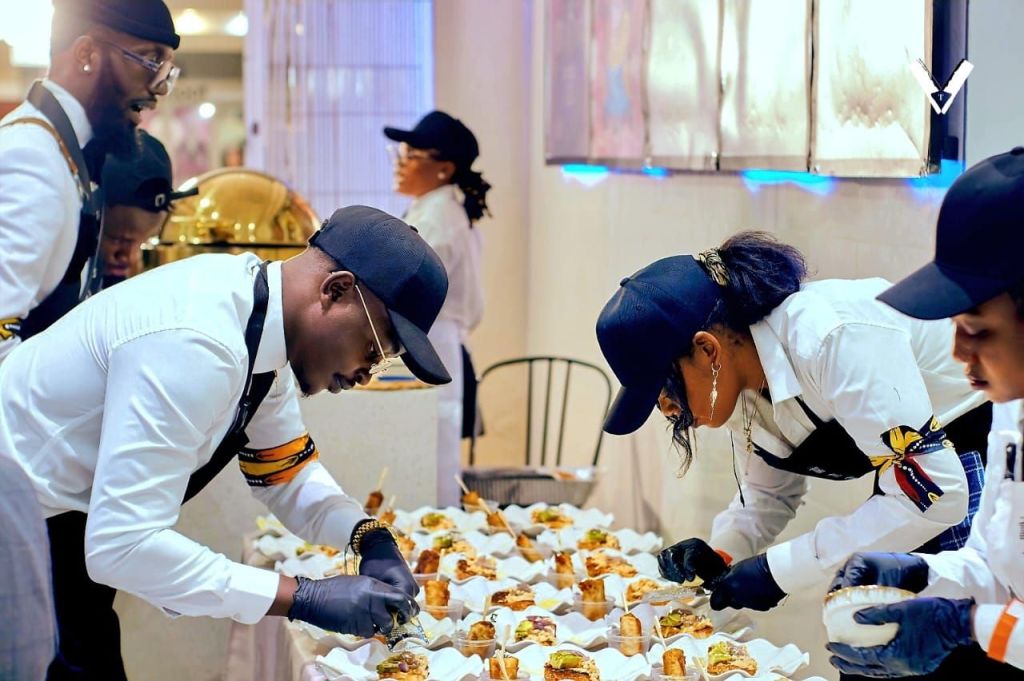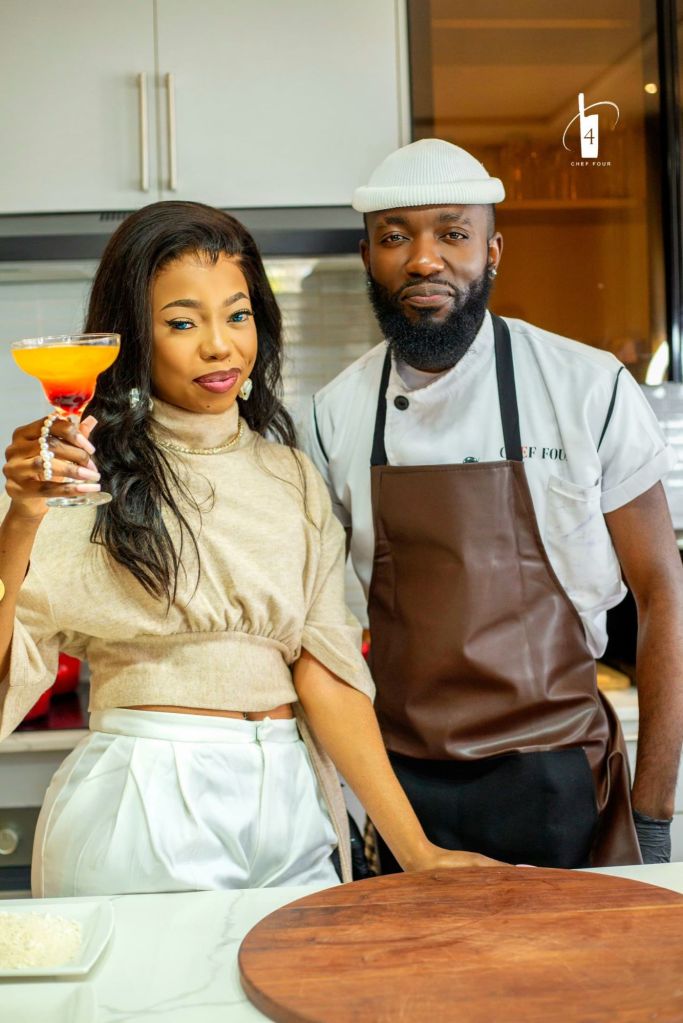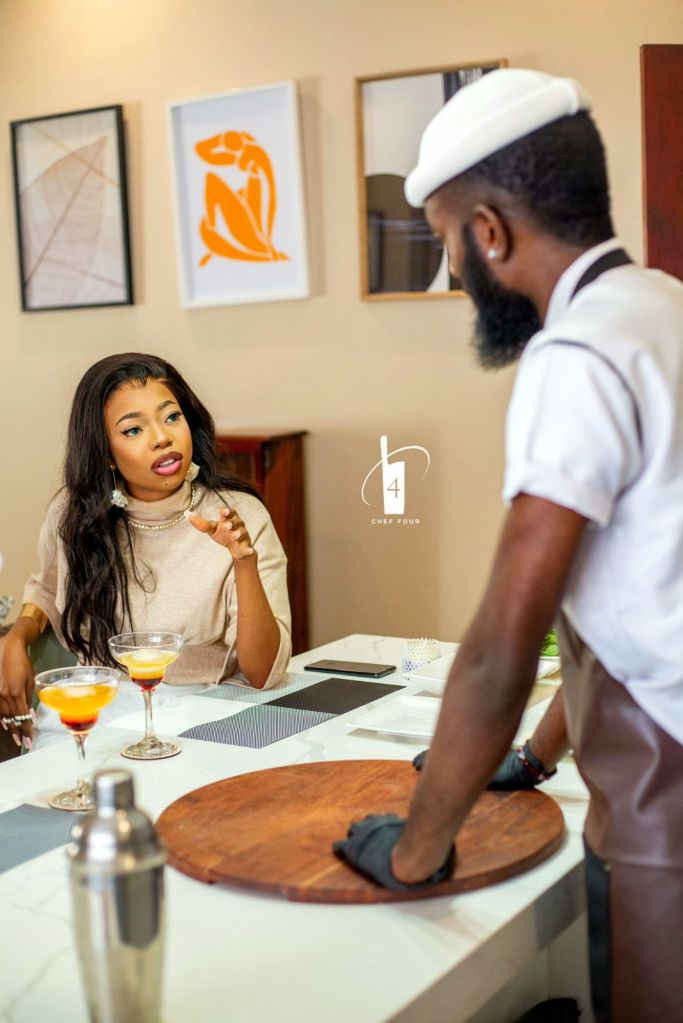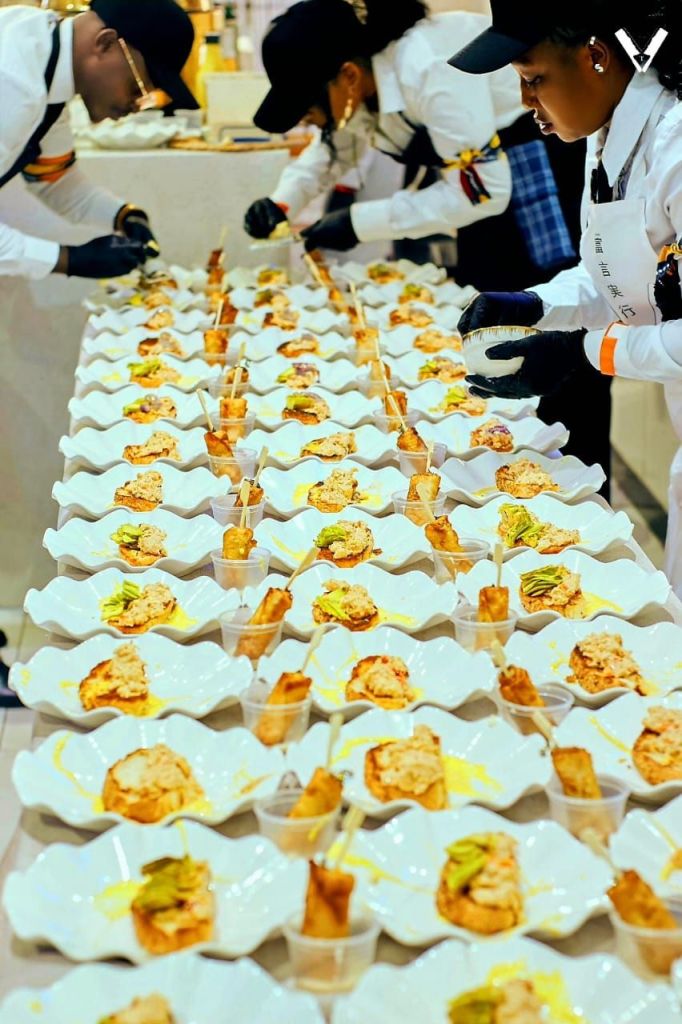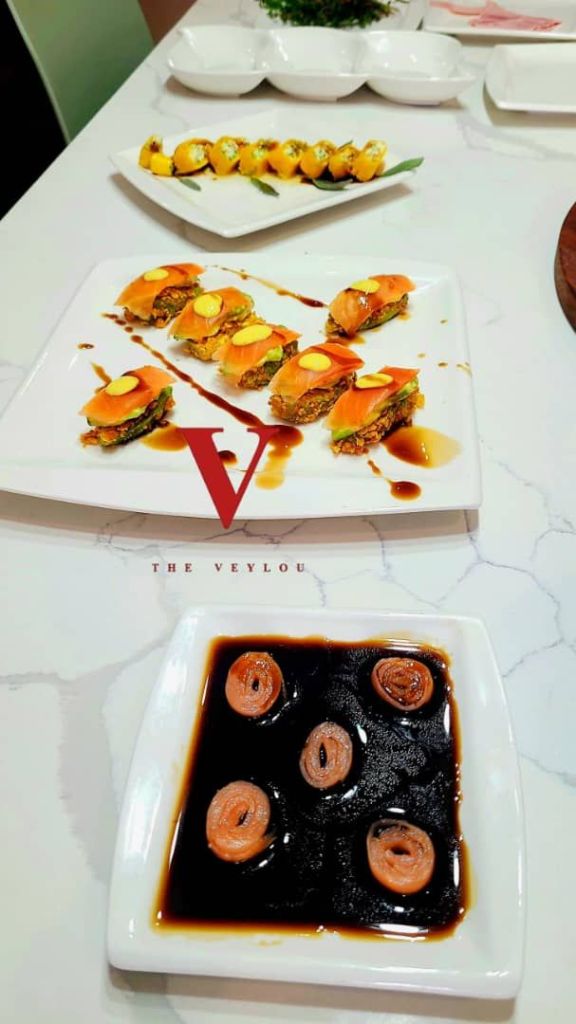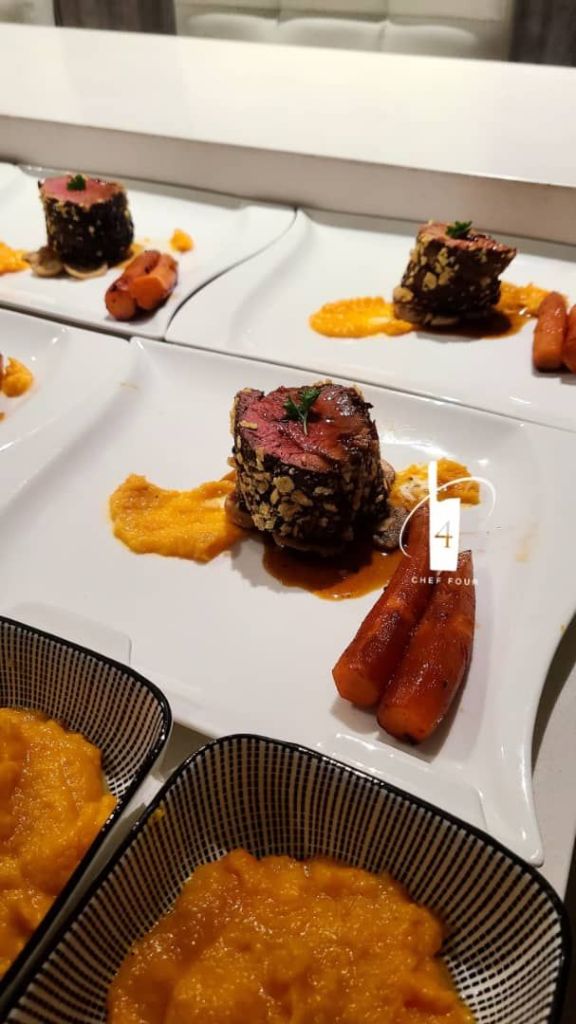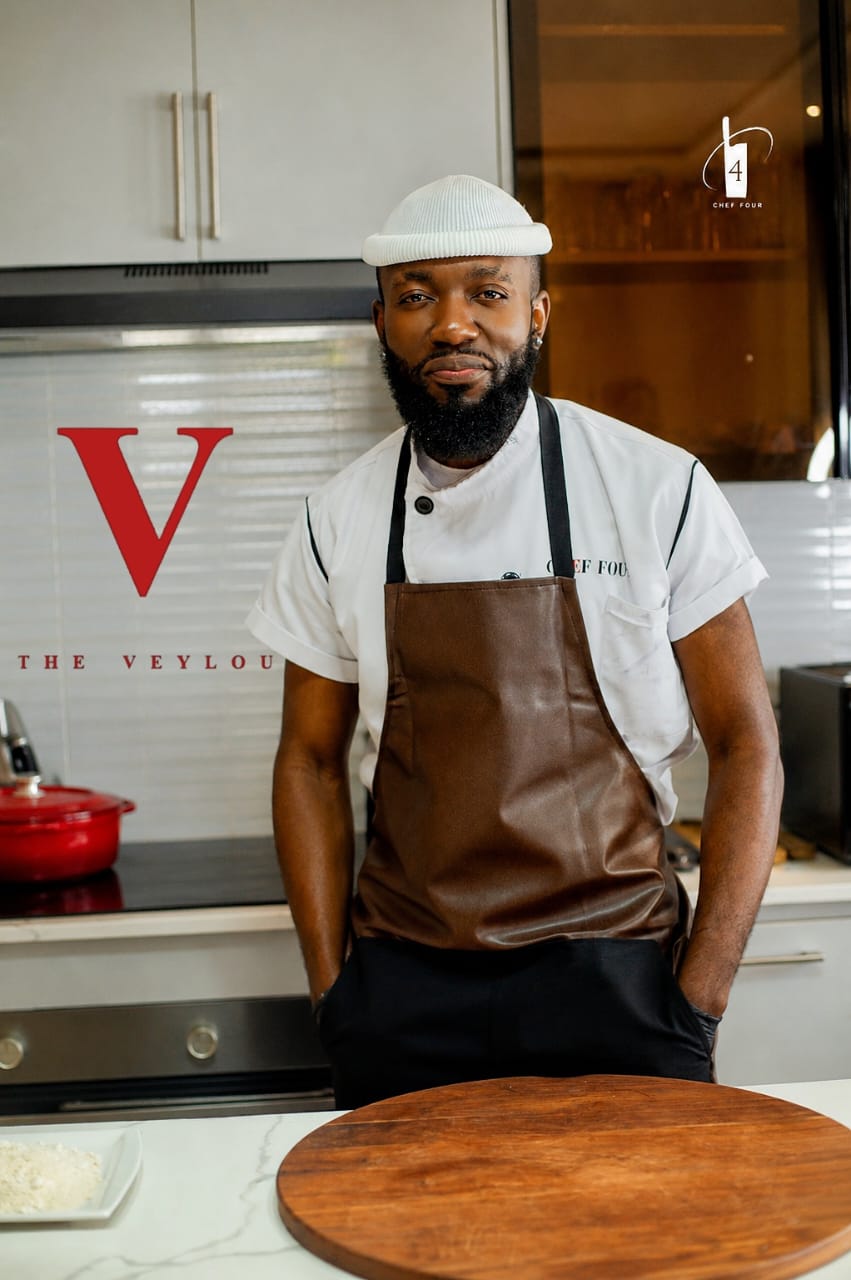
COME DINE WITH CHEF NDLOVU Inside Mthokozisi Ndlovu’s Vision to Transform The Corner House into Victoria Falls’ Ultimate Dining Destination
In Victoria Falls, few food destinations have captured the hearts of locals quite like The Corner House. Known for its affordable pizzas, generous platters and welcoming atmosphere, the establishment quickly became more than just a restaurant—it became a community gathering place.
Now, founder and chef Mthokozisi Ndlovu is embarking on an ambitious new chapter. With renovations underway, The Corner House is being reimagined into a bigger, better and more exciting dining experience that promises to blend its beloved kasi charm with fresh culinary innovation.
In this exclusive interview with fashionInspirations , Chef Ndlovu opens up about the challenges behind the renovation project, the vision driving the transformation, and why he believes patience, faith and hard work remain the secret ingredients to success.
Q&A WITH MTHOKOZISI NDLOVU
Q: The Corner House has become a go-to spot for pizzas and platters in Victoria Falls. What made you decide it was time for a refresh?
A: First of all, it’s an honour to be featured in your magazine and I truly appreciate it. The Corner House gained a huge following in a short period of time, and the pressure became too much. The more it grew, the more resources it needed to survive. The kitchen became too small for the demand. That’s when I realised this vision is bigger than me. It needs to be built properly, step by step and patiently, because this is a long-term investment.
Q: Was there a specific moment or feedback from customers that convinced you to move ahead with the renovations?
A: I have been blessed with amazing clients who could see the potential of this business and the role it can play in the community. Many of them have remained patient and are eagerly waiting for the reopening. The tour guides especially encouraged me to rebuild because they wanted a place where they could confidently bring tourists.
Q: When customers return after reopening, what do you think will be the first thing they notice?
A: The entrance is going to be a work of art. The entire space will feel like a breath of fresh air. We’re also adding a smoker, which means BBQ ribs, smoked brisket and many exciting new flavours will be on offer.
Q: Are you keeping the same cozy atmosphere people love, or should guests expect something completely different?
A: We are definitely maintaining the cozy kasi feel that people have come to love, but with a few enhancements. We’re adding more artwork, flowers and creative touches throughout the space. It’s going to be an amazing place to relax, dine and enjoy good company.
Q: Customers love your signature dishes. Will they still be available after the renovation?
A: Absolutely. Our signature dishes aren’t going anywhere. However, we’ve been working on adding new flavours and experiences. I’ve spent time learning new techniques and exploring different cuisines. One exciting addition will be traditional meals, which many people have been asking for.
Q: How do you hope the renovations will improve the experience for families and regular customers?
A: Our number one goal is to create a family-friendly environment where everyone feels at home. Whether you’re a local resident or a tourist visiting Victoria Falls, we want every guest to feel welcomed and valued equally.
Q: Renovations can be challenging. How has the journey been so far?
A: It’s been messy, especially when it comes to raising funds. Sometimes it feels like you’re going broke every day. But the team is doing well. Some of our chefs are currently working in other restaurants around Victoria Falls, gaining valuable experience and knowledge. For me, the most exciting part has been the journey itself. Despite the challenges, I continue to trust God and allow Him to guide me. This project occupies most of my thoughts every day.
Q: Is there a special feature you’re planning to introduce that you’re particularly excited about?
A: It’s still in the planning stages, but I’m seriously considering adding a mini bar and a DJ booth. I think it would create an even more enjoyable atmosphere for our guests.
Q: Many people are eager to know when they can return. Do you have an estimated reopening date?
A: If all goes according to plan, we’re looking at reopening sometime in 2027.
Q: What are you most excited to see once the new Corner House opens its doors?
A: I’m excited about everything—the Sunday chillers, the Friends of The Corner events, our expanded menu and the atmosphere we’ll create. There is so much to look forward to.
As our conversation comes to an end, Chef Ndlovu leaves aspiring entrepreneurs and dreamers with a message that reflects the very journey he is living:
“Dream big and work hard for that dream. Don’t believe in handouts. Nobody is going to bet on your idea, so bet on it yourself. It might take six or seven years, but keep pushing. Don’t compete with anyone else and never think you’re falling behind. Remember, it’s God’s time, not yours. One day it will all make sense.”
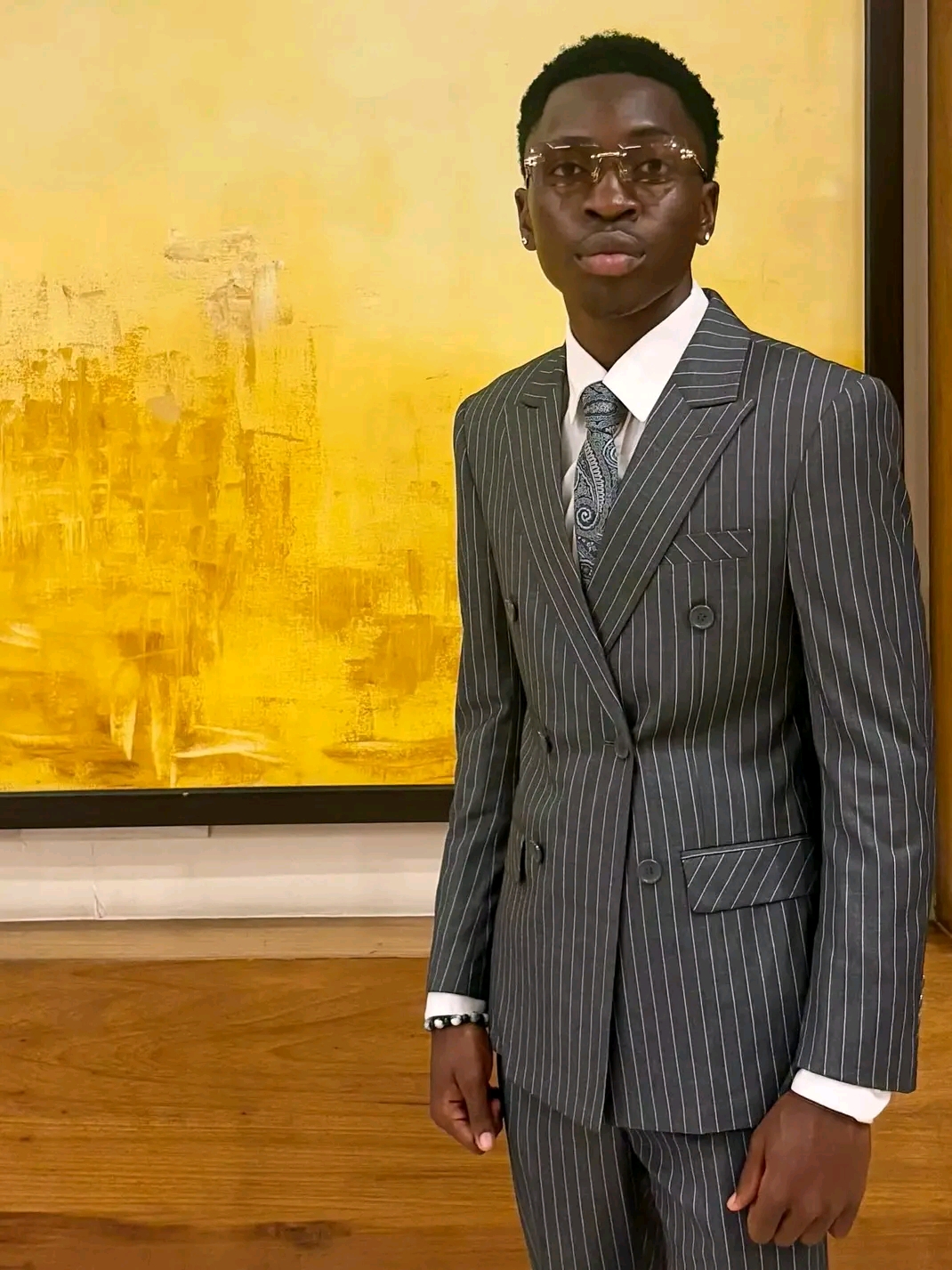
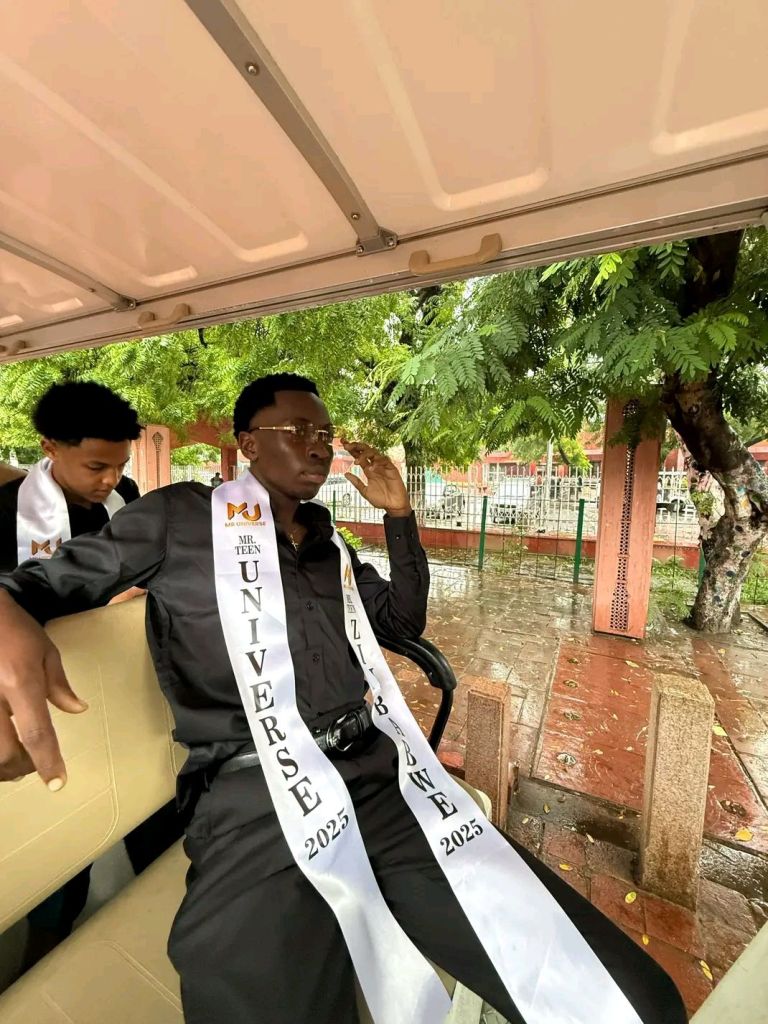
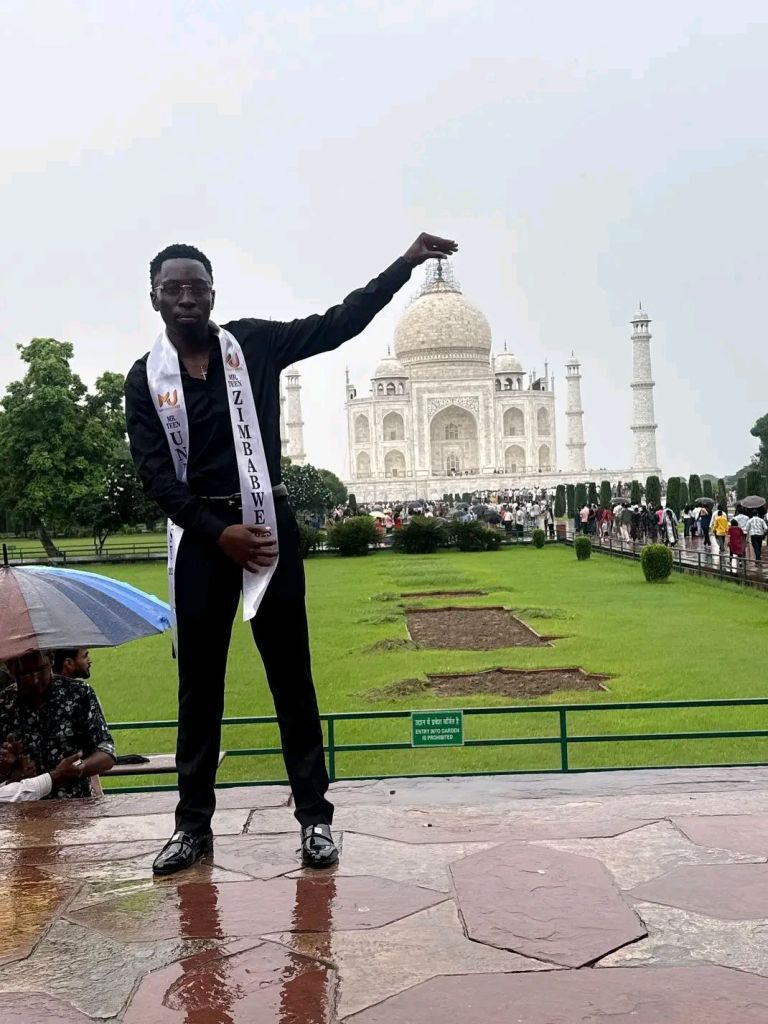
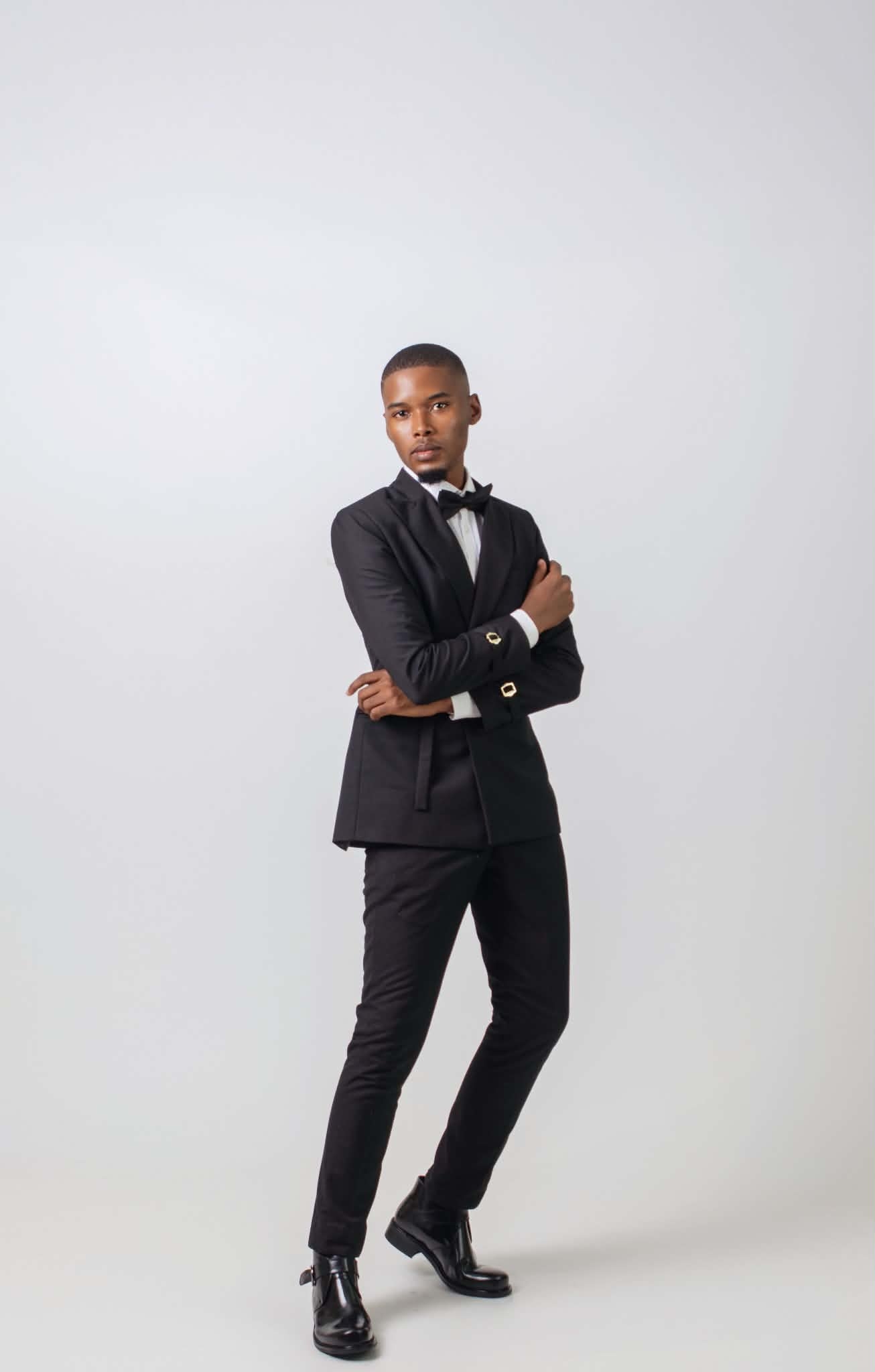
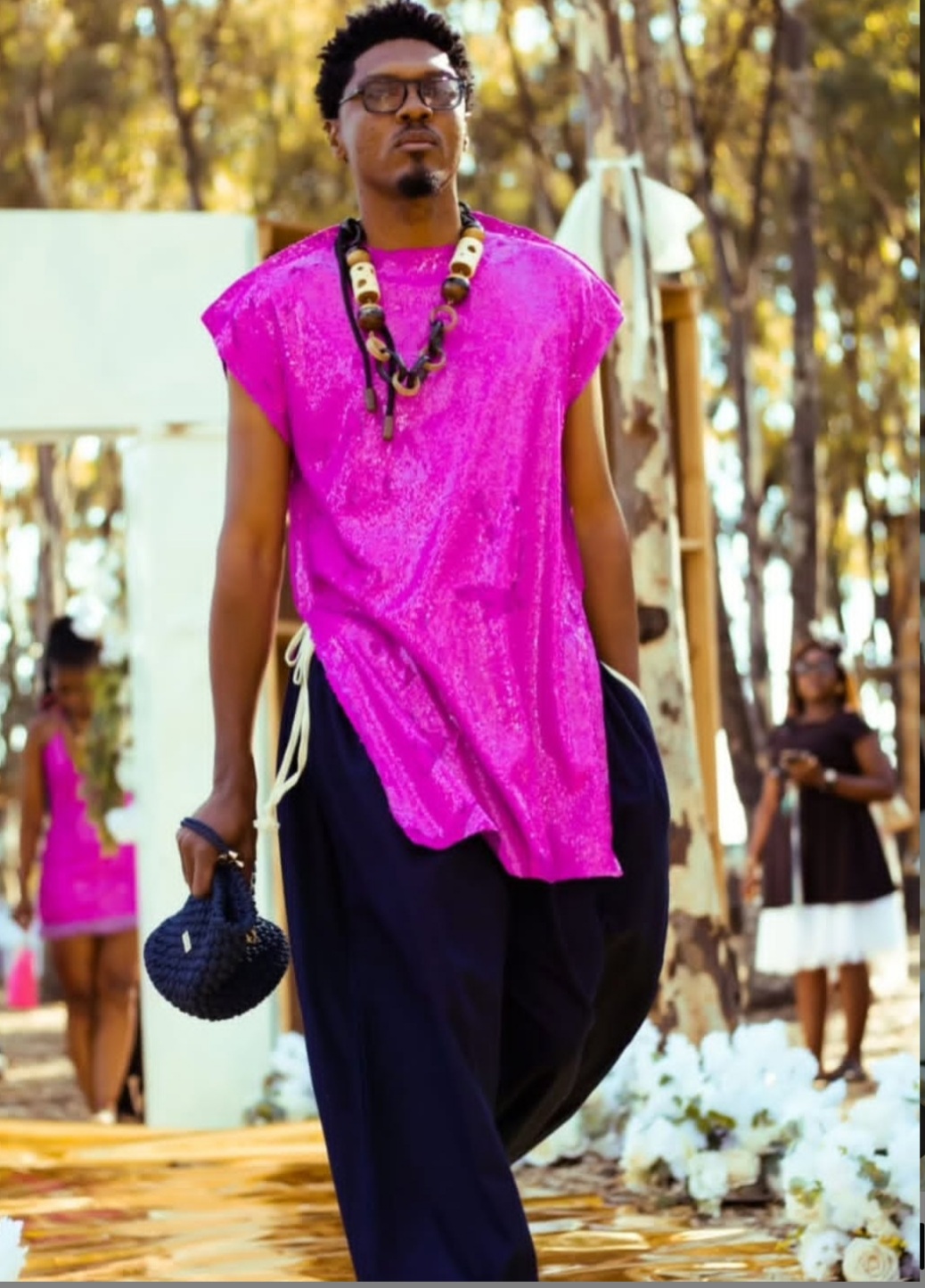
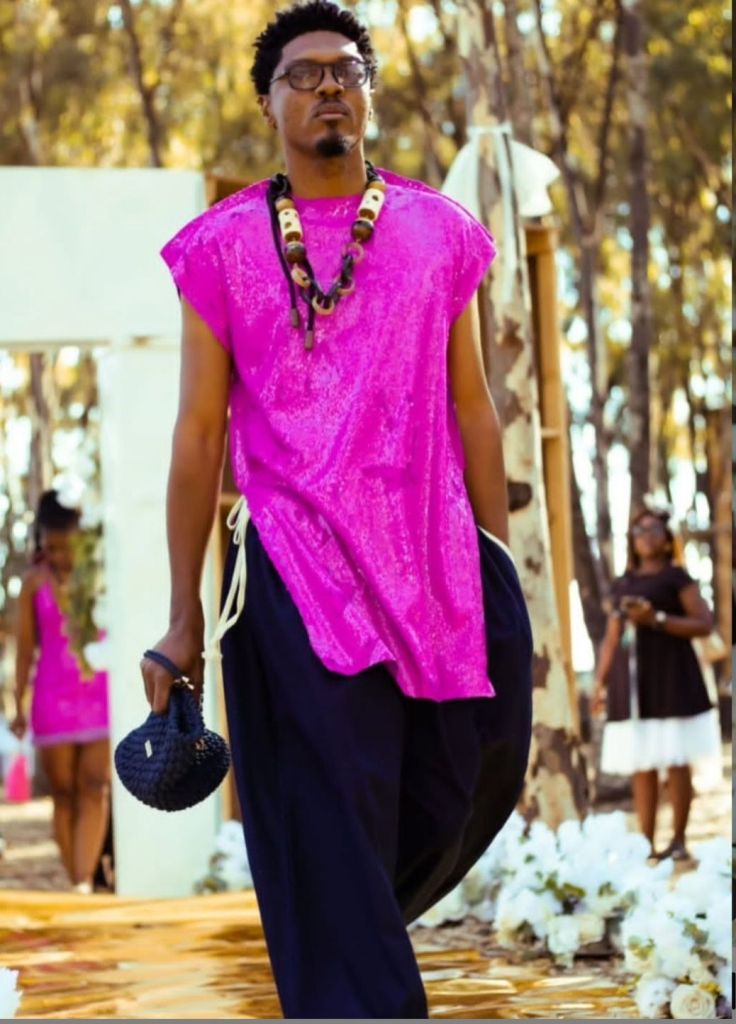
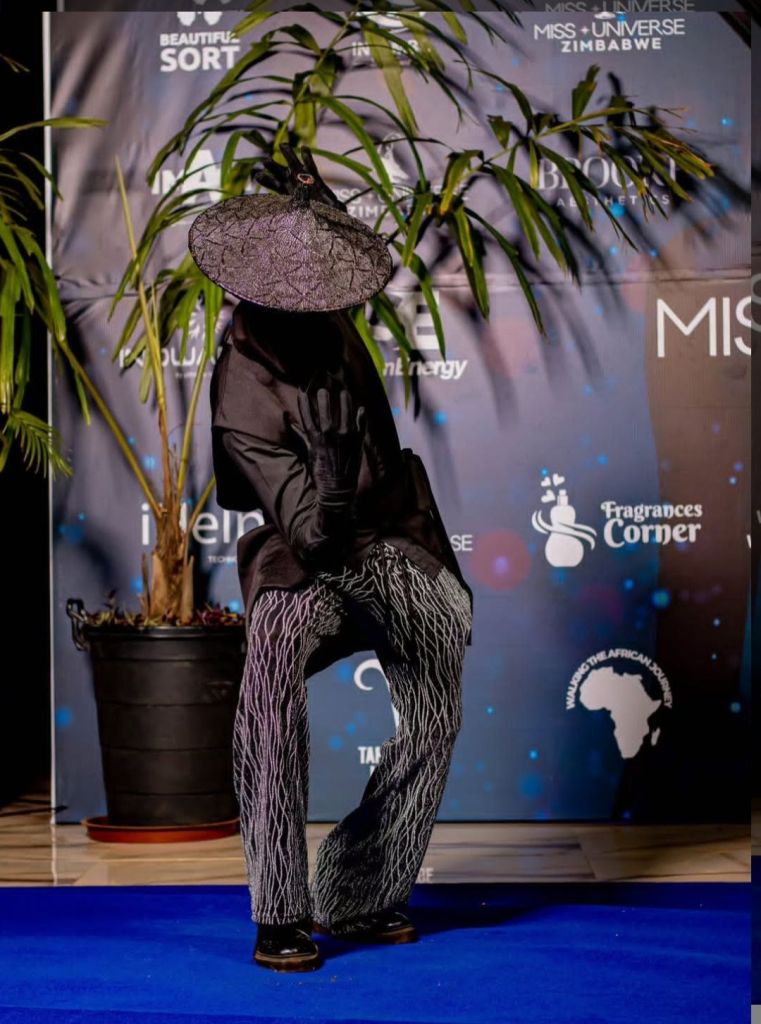
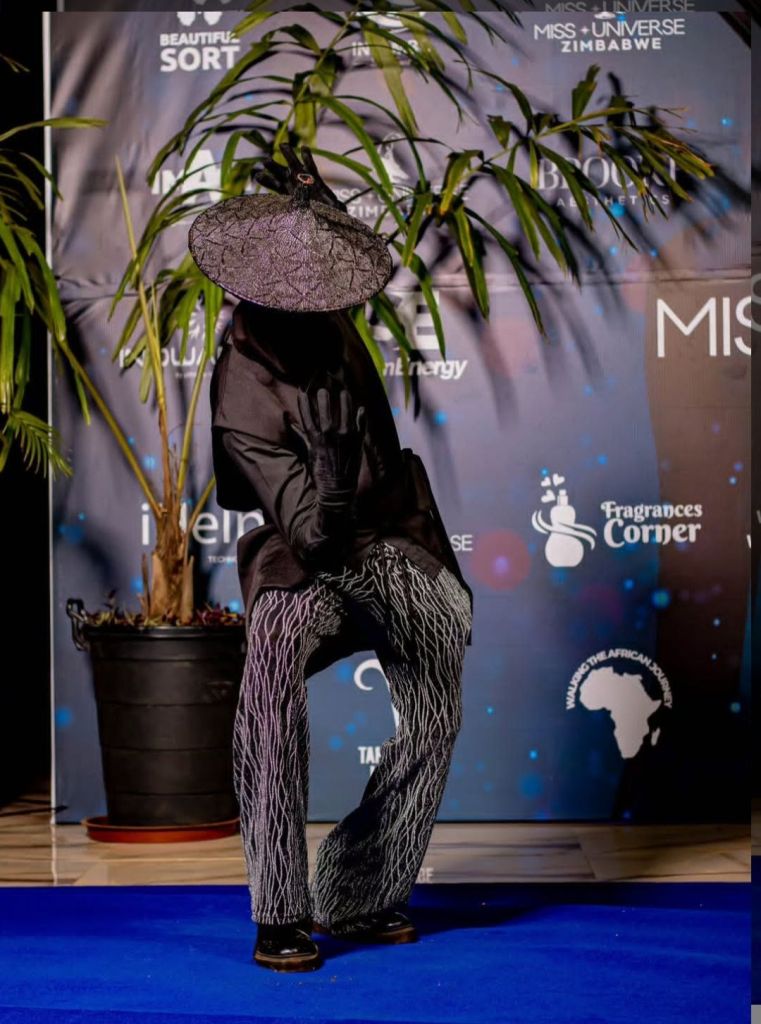
ThrowbackThursday | Whom in your favourite gentleman. Owned the Red Carpet at Miss Universe Zimbabwe? From sharp suits to unforgettable fashion statements, revisit some of the most dapper looks that made headlines and set social media buzzing. Here are the standout outfits from one of Zimbabwe’s most glamorous nights.
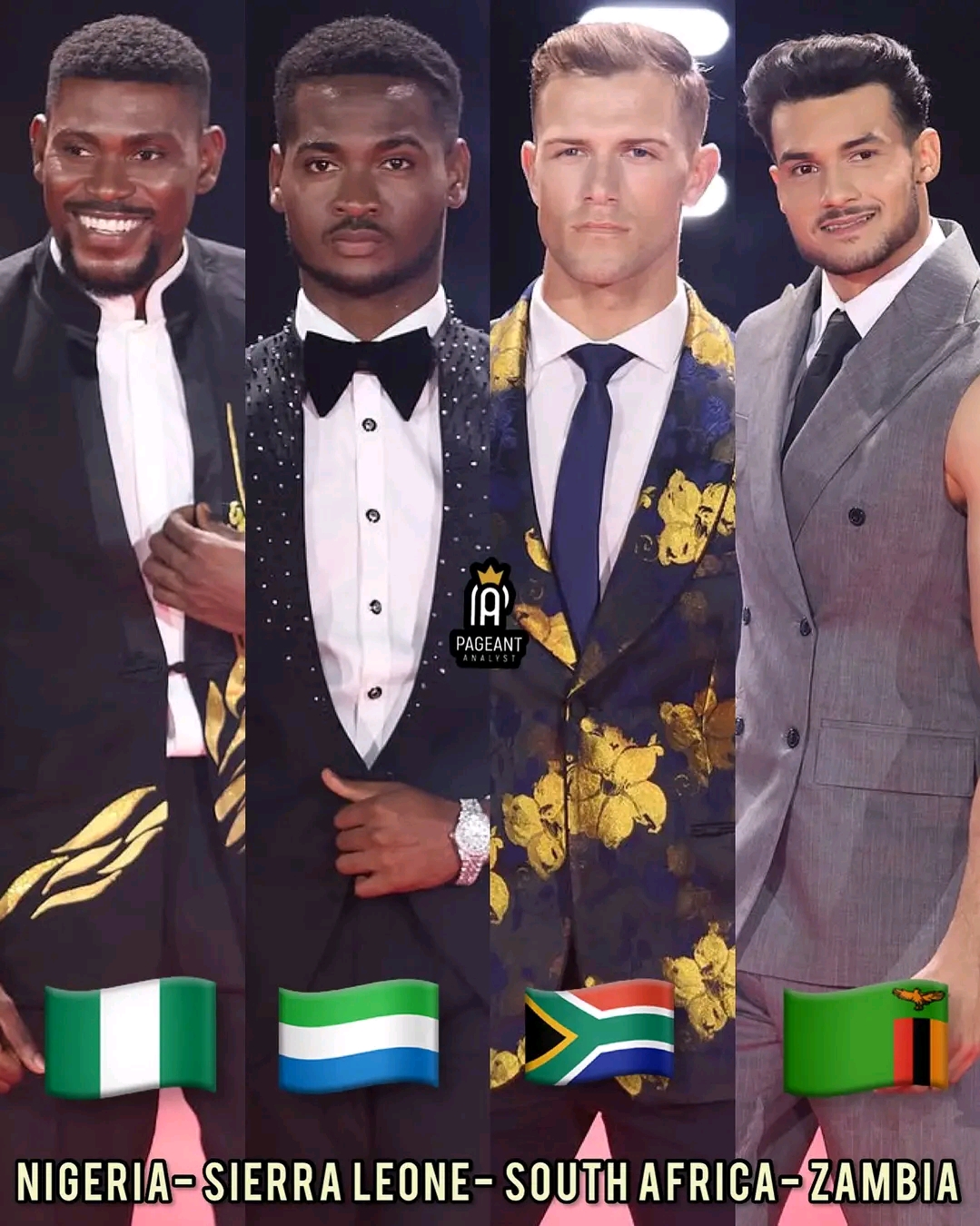
From Lagos runways to the Mister Supranational arena, Lam Chris Chidubem is carrying more than a sash. He’s carrying a conversation. As Nigeria returns to the Supranational stage, the first Nigerian Top 16 at Manhunt International speaks on legacy, modern masculinity, sustainability, and the boy child the world keeps forgetting. This is his story, in his words.
*Q. Mister Supranational 2026 is your next stage. What moment in rehearsal made you realize this crown isn’t just for Nigeria, it’s for every boy watching you claim space globally? *A.* Honestly, it hit me during a quiet run-through, not during the loud parts. I was standing on my mark, lights down, and I caught my reflection in the mirrored panel. For a second I didn’t see “the contestant.” I saw the boy I used to be in secondary school — the one told men don’t cry, men don’t ask for help, men just carry it. And I realized: if that boy could see me now, standing in this sash, he’d breathe easier. That’s when it stopped being a Nigerian assignment and became a global one. Because there’s a boy in Manila, Warsaw, São Paulo, watching the same broadcast, waiting for permission to be soft and strong. This crown is his receipt.
*Q. You made history as the first Nigerian Top 16 at Manhunt International. Walking into Mister Supranational 2026, how does that “first” fuel your mindset going up against 30+ countries?* *A.* That Top 16 didn’t just open a door — it proved the door was never locked, we just hadn’t walked through it with the right posture. Walking into Supranational, I’m not carrying pressure, I’m carrying precedent. “First” teaches you: you don’t have to be the loudest in the room, you have to be the most prepared. I’ve already broken one ceiling, my body knows how to do it. Now we go higher. Nigeria isn’t auditioning on that stage. Nigeria is competing to win.
*Q. Mazi Michael put Nigeria Top 5 at Supranational. As Mister Supranational Nigeria 2026, what part of that legacy are you determined to elevate?* *A.* Mazi gave us proof of concept — 3rd Runner-up, Top 5 in Talent. What I’m picking up from his run is the presence. That quiet, grounded, “I belong here” energy he carried through every segment. My job is to take that foundation and add range: deeper advocacy storytelling, sharper Supra Model command, and a national costume moment that travels beyond the stage. Mazi opened the gate. I’m here to walk us through it and not look back.
*Q. Supranational is a pageant of presence, styling, and theme. Before you say a word, what story about modern Nigeria do you want your walk and styling to tell the judges?* *A.* My walk has to say: Nigeria is no longer asking permission. The styling will be clean, intentional, tailored — bold and unmistakably ours. Think contemporary African masculinity: structured shoulders, considered fabric, a finish that nods to Lagos tailoring houses without screaming for attention. The story is “new Nigerian man” — globally fluent, locally rooted, emotionally literate. Modern Nigeria isn’t a stereotype. It’s a posture. The judges will read it before I say a word.
*Q. You unveiled the Suzuki Across 2026 Hybrid with Mr World Nigeria and Miss Supranational Nigeria. How will you use that same innovation-meets-style energy in the Supra Model segment?* *A.* Unveiling that hybrid taught me: innovation isn’t loud, it’s deliberate. The Across 2026 doesn’t shout that it’s the future — it just is the future, quietly. That’s the energy I’m bringing into Supra Model. Clean lines, controlled tempo, every turn earning its place. No theatrics. Just engineering. When a man walks like he was designed for the moment, you don’t need a soundtrack to tell the judges he’s the one.
*Q. Advocacy scores big at Mister Supranational. In 60 seconds on Supra Chat, how will you sell “Just a Boy, Grooming the Perfect Man” to a global audience?* *A.* Every man you admire — every president, father, champion — was once a boy nobody trained. We celebrate finished men and ignore the boys becoming them. ‘Just a Boy: Grooming the Perfect Man’ is my answer to that silence. It’s mentorship before crisis. It’s emotional vocabulary before violence. It’s a boy being told he is valuable before the world tells him he is dangerous. I’m not raising perfect men — I’m grooming honest ones. Because the world doesn’t need more hard men. It needs more whole ones.
*Q. You spent your birthday with the boy child and said “they are not stones”. When the advocacy round asks “why now”, what’s your answer for boys across the world?* *A.* I said that because I’d just spent the day with boys told to “be strong” — which really meant “be silent.” Stones don’t break, but stones also don’t grow. Boys are not stones. They are seeds. Right now, globally, we’re losing them to suicide, addiction, extremism, loneliness disguised as masculinity. Why now? Because the data is screaming and the culture is still whispering. If we wait another decade, we won’t be repairing men, we’ll be burying them. Supranational gives me a microphone. I’m using it before the silence costs us another generation.
*Q. Mister Supranational tests stamina, grace, and message under pressure. What’s your daily routine to make sure your mind and heart match the pageant’s intensity?* *A.* Mornings start before the city wakes — prayer, then journaling, before I touch a phone. That’s the heart part; if I lose that, the rest collapses. Then training: strength four days, mobility and cardio the others, because Supranational stamina is standing-under-lights-and-still-being-articulate stamina. Afternoons: runway drills, posture work, Q&A simulation. My team fires hard questions until my answers stop being rehearsed and start being mine. Evenings: read, reflect, sleep early. The crown won’t be won in Poland. It’s being won every morning at 5:30 a.m. in Lagos.
*Q. Environment and sustainability are central to Mister Supranational. As the man who launched a hybrid vehicle, what’s your message to the stage about responsibility and the future?* *A.* Launching a hybrid wasn’t a photo-op — it was a position. We’re the generation that inherited a planet on a deadline, and Africa will absorb the worst of a crisis we contributed least to. Sustainability isn’t a Western luxury, it’s an African survival strategy. Hybrid mobility, clean energy, climate-smart cities — these aren’t trends, they’re terms of our future. As men, as leaders, as titleholders, we don’t get to opt out. The next generation won’t ask what we wore on stage. They’ll ask what we changed while we were on it.
*Q. National costume night is a Supranational highlight. Without spoiling it, what Nigerian symbol are you designing to make the judges and audience feel Nigeria the second you step out?* *A.* I won’t spoil the build, but I’ll give you the soul: it draws from a symbol every Nigerian recognizes the moment they see it — rooted in our heritage, but reinterpreted with a contemporary, architectural finish. The moment I step out, I want the audience to feel two things: ancient and arriving. Not a museum piece. A movement. When the lights catch it, Nigeria shouldn’t be announced — Nigeria should be recognized.
*Q. The Q&A can crown a king in one answer. What’s the toughest question you’re prepping for at Mister Supranational 2026, and why does it matter for boys back home?* *A.* “In a world fighting for women’s rights, why focus on the boy child?” It’s hard because it’s a trap if you answer it wrong — it sounds like you’re pitting genders against each other. But the truth is opposite. Healed boys become safe men. Safe men become better partners, fathers, leaders, citizens. Investing in boys is investing in women’s safety long-term. That matters for boys back home because for too long they’ve been told their pain is a competition with someone else’s. It isn’t. There’s room for both. A global stage is exactly where that truth needs to be said out loud.
*Q. You wrote that “real strength is found in connection and showing up”. On the Mister Supranational stage, how will you model that strength so boys see vulnerability as power?* *A.* I won’t perform invulnerability up there. That’s the old playbook. In interview, advocacy, Supra Chat — I’ll let the audience see the texture of me. I’ll talk about the boys I mentor by name. I’ll let my voice break if it breaks. I’ll make eye contact instead of performing eye contact. Boys watching have seen a thousand men flex. What they haven’t seen enough of is a man on a global stage choosing presence over performance. If one boy decides “I can be like that — strong and soft” — then the crown already did its job before they announced a winner.
*Q. When the final night ends and the crown is passed, what’s the one impact you want every Mister Supranational 2026 viewer to say Lam Chris Chidubem left with the boy child?* *A.* I want one sentence in every viewer’s mouth: “Lam reminded us the boy child is not a problem to manage — he is a future to invest in.” Not that I was the tallest or most polished. But that on a stage built for spectacle, I made the world look at a boy and see possibility instead of threat. If Supranational 2026 ends and even one father hugs his son differently, one teacher listens longer, one boy whispers “I matter” before he sleeps — then Nigeria didn’t just compete. Nigeria contributed. And that’s the only legacy worth wearing a crown for.
Marnus Botha: From Oudtshoorn to the World Stage — A Father, Leader, and South Africa’s Mister Global Hope
There’s a moment every dreamer waits for. The second when years of quiet work, setbacks, and belief finally turn into something real. For Marnus Botha, that moment arrived when he got the call to represent South Africa at Mister Global.
Last year he told Fashion Inspirations about his dream of carrying the South African flag onto an international stage. Today he’s packing his bags for it.
“When I received the news that I would be representing South Africa at Mister Global, I was overwhelmed with excitement, gratitude, and pride. It was one of those moments where time almost stood still,” Marnus tells Fashion Inspirations. “For a long time, I had dreamed of wearing the South African name on an international stage, and to know that dream had become a reality was truly surreal.”
His mind didn’t jump to spotlights or sash presentations. It went home. “My first thoughts were about how far the journey had brought me — from my hometown of Oudtshoorn to this incredible opportunity. I felt honoured to represent not only myself, but also the people who have supported me every step of the way.”
That sense of responsibility runs through every answer he gives. For Marnus, the title isn’t about personal glory. It’s about carrying a nation with him. “Most importantly, I felt a deep sense of responsibility to represent our beautiful rainbow nation with pride, authenticity, and purpose.”
A year of growth, fatherhood, and perspective
A lot has shifted since our last conversation with him. Professionally, the doors he once knocked on have opened. Personally, his world expanded in the best way possible — with the arrival of his second child, a baby girl.
That new chapter rewrote his definition of success. “One of the biggest lessons I’ve learned during this chapter of my journey is that success means very little if you don’t have people to share it with,” he says. “Professionally, I’ve been blessed with opportunities I once only dreamed of, but personally, the greatest blessing has been growing my family.”
Becoming a father of two changed the lens he sees everything through. “Becoming a father again has reinforced what success truly means to me. While achievements, titles, and career milestones are important, I now see success as being the best husband and father I can be and creating a life that my children can be proud of.”
It also deepened his sense of duty. “Knowing that two little people are looking up to me motivates me to lead by example, make better decisions, and be intentional about the values I live by every day.”
His hope for legacy isn’t tied to trophies. “I hope to leave behind a legacy of kindness, integrity, resilience, and service. I want my children to remember me as someone who pursued his dreams while always putting family first.”
The balancing act: family, charity, and pageantry
If you think preparing for an international pageant is demanding, try doing it while being a present dad, a committed husband, and an active philanthropist. Marnus is doing all three.
He’s honest about the challenge, but he doesn’t see his roles as competing. “Balancing fatherhood, family life, charitable work, and the demands of pageantry certainly comes with its challenges, but it has taught me the value of discipline, time management, and having a strong support system. My family is my biggest source of motivation, so rather than seeing these responsibilities as competing priorities, I see them as parts of the same purpose.”
Fatherhood made him sharper with his time. “Becoming a father of two has made me more intentional with my time. I plan my days carefully, make the most of every opportunity, and ensure that when I’m with my family, I’m fully present.”
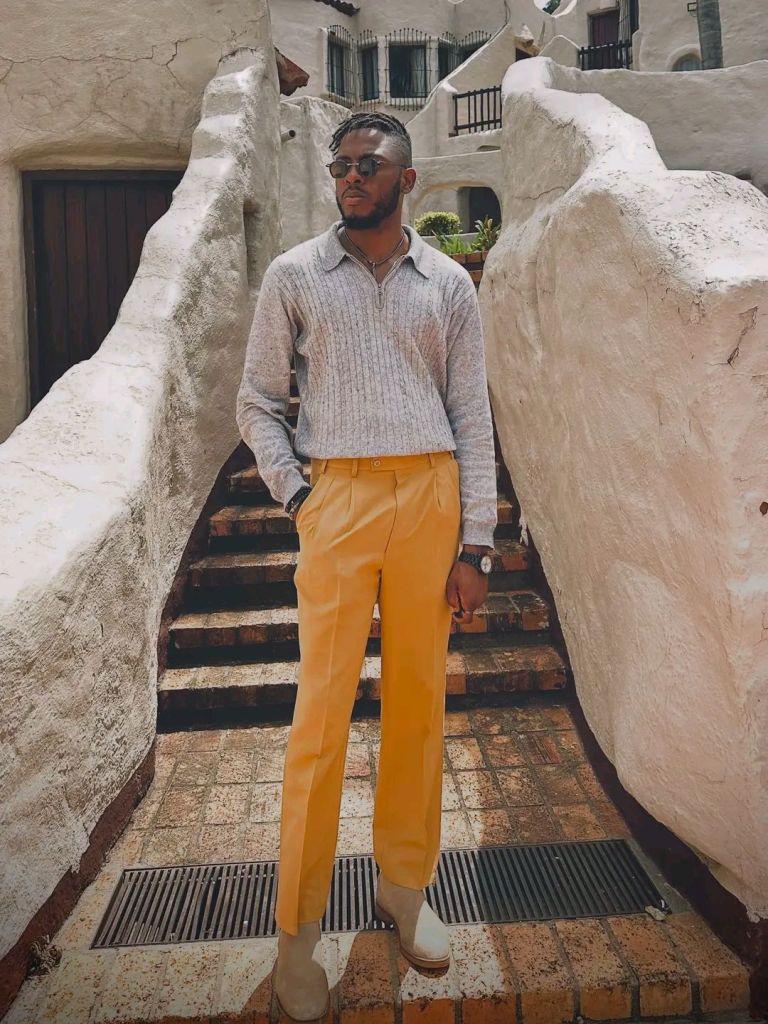
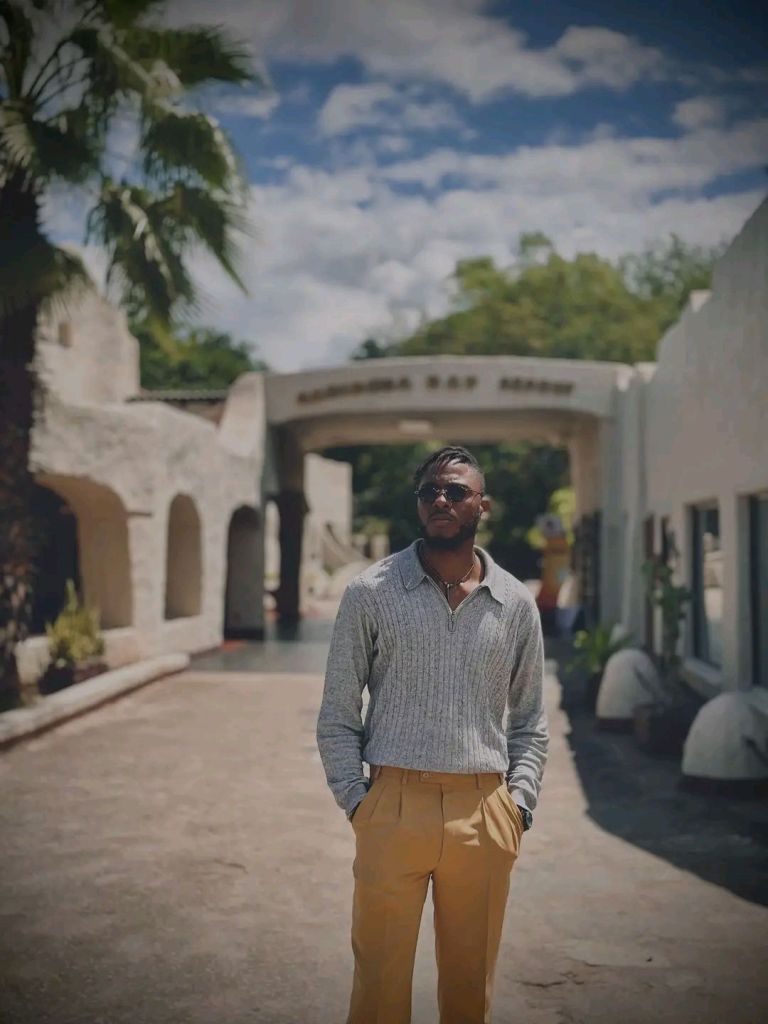
That intention extends to his training, personal development, and the charitable work he refuses to drop. His long-standing involvement with the Somerset West Night Shelter stays central to who he is. “My work with the Somerset West Night Shelter has always been deeply personal to me because it reminds me that real change starts with compassion, dignity, and a willingness to serve others.”
On the Mister Global stage, he plans to use his voice differently. “I see the platform as an opportunity to shine a spotlight on the important work being done by shelters, community organisations, and volunteers who are making a difference every day. I want to use my voice to raise awareness about homelessness, encourage meaningful community involvement, and inspire people to contribute in whatever way they can.”
For him, the competition isn’t the finish line. “Success on the Mister Global stage is not only about personal achievement; it is about using the platform responsibly to advocate for those whose voices are often overlooked and to leave a positive legacy that extends far beyond the competition itself.”
What South Africa means on a global stage
Ask him what message he wants the world to hear, and he doesn’t hesitate. “As I step onto the global stage, I want to share a message of unity, resilience, and hope. South Africa is a nation built on diversity, where people from different cultures, backgrounds, and languages come together to create something truly unique.”
He’s pushing back against narrow ideas of masculinity too. “I believe South African men represent far more than strength and ambition. We represent compassion, leadership, integrity, and a deep commitment to uplifting our communities. We understand that true masculinity is not measured by titles or achievements alone, but by the positive impact we make in the lives of others.”
That’s the image he wants to project. Not just a contestant, but a reflection of his country. “I want the world to see that our country is rich not only in natural beauty but also in character, talent, and potential. My goal is to represent South Africa with pride and to inspire others to pursue their dreams while remaining grounded in purpose, service, and family values.”
The excitement, the pressure, and what sets him apart
Mister Global will bring together some of the most accomplished men in pageantry. Marnus is clear-eyed about the pressure, but he’s more focused on growth than fear.
“What excites me most about Mister Global is the opportunity to connect with contestants from around the world, learn about different cultures, and build friendships that extend far beyond the competition itself,” he says. He’s also ready for the discomfort that comes with growth. “Competitions like Mister Global push you out of your comfort zone and challenge you to become the best version of yourself, both personally and professionally.”
The challenges are real: balancing prep with family and work, carrying the weight of a nation’s expectations, and standing beside men with extraordinary stories of their own. His preparation is simple and steady. “I focus on continuous self-improvement — physically, mentally, and emotionally. I remind myself that while the competition is important, my goal is not simply to win a title, but to represent South Africa with excellence, authenticity, and purpose.”
So what makes Marnus Botha different in a room full of titleholders? He doesn’t point to one thing. “What sets me apart is not any single achievement, but the combination of my experiences, values, and the purpose that drives me.”
He lists the roles that shaped him: husband, father, professional, advocate. “These different roles have shaped me into a person who understands the importance of resilience, humility, responsibility, and authentic leadership.”
His strength, he says, is connection. “One of my greatest strengths is my ability to connect with people from all walks of life. Whether through my charitable work, my professional career, or my pageantry journey, I believe in leading with sincerity, empathy, and respect.”
And underpinning it all is purpose. “I am not competing solely for a title; I am competing to represent South Africa with pride, to inspire others to pursue their dreams, and to demonstrate that leadership is about service, character, and the difference we make in the lives of others.”
The man then vs the man now
Looking back at last year’s interview, the core of Marnus is unchanged. The dreams, the values, the desire to make impact — all still there. But life has added layers.
“Over the past year, I have embraced new opportunities, faced new challenges, and experienced one of the greatest blessings of all — welcoming our second child into the world. Becoming a father of two has given me a deeper appreciation for responsibility, patience, and the importance of leading by example.”
His definition of leadership and manhood has matured too. “I have learned that leadership is not about being the loudest voice in the room or having all the answers. It is about serving others, remaining humble, staying true to your values, and inspiring people through your actions. Likewise, manhood is not defined by strength alone, but by character, integrity, compassion, and the courage to remain authentic in every situation.”
The biggest shift? Balance. “The biggest growth has been learning to balance ambition with gratitude. While I continue to pursue my goals with determination, I now understand more than ever that success is about the lives we touch, the example we set, and the legacy we leave behind.”
A message to South Africa
As the country rallies behind him, Marnus has one message that keeps coming back: gratitude.
“To my supporters, my family, and everyone who has been part of this journey from the very beginning, I want to say thank you from the bottom of my heart. No achievement is ever accomplished alone, and I am incredibly grateful for every message of encouragement, every prayer, every word of support.”
To his wife and children: “Thank you for being my foundation and my greatest source of strength. Your love and support give me the confidence to pursue my dreams and represent our country with pride.”
And to South Africa: “Thank you for embracing this journey with me. I carry your hopes, your encouragement, and your pride with me as I prepare for Mister Global. I promise to represent our nation with authenticity, humility, and determination.”
He ends with words that sound like the man he’s become. “Never stop believing in your dreams, no matter how big they may seem. There will be challenges and setbacks, but with faith, hard work, perseverance, and the support of those around you, anything is possible.”
From Oudtshoorn to Mister Global, Marnus Botha isn’t just chasing a crown. He’s walking a path defined by family, service, and purpose. And as he puts it, “As I step onto the global stage, I do so with immense gratitude and pride. This is not just my journey — it is our journey, and I am honoured to have South Africa walking it with me every step of the way.”
What part of Marnus’s journey resonates with you most — the fatherhood perspective, the charity work, or his message about South African manhood?
THE JOHN COLE EFFECT Inside the Mind of Africa’s Most Dynamic Choreographer
Few names in African choreography command attention quite like John Cole. Known for his electrifying creativity, signature choreography, and unmatched ability to transform moments into memories, the Zimbabwean dance visionary has spent years building a reputation that now stretches far beyond the continent’s borders.
Whether choreographing weddings, mentoring young talent, or carrying African culture onto international stages, Cole has become more than a choreographer — he has become a movement.
Today, his influence can be felt from Zimbabwe to South Africa, from the Philippines to audiences across the globe who have embraced his unique approach to dance, storytelling and performance.
Yet despite the growing international recognition, Cole remains deeply connected to the values that first inspired his journey.
“Traveling around Africa and the world is quite amazing,” Cole reflects.
“My first international wedding was in the Philippines and South Africa, and from there it expanded to other countries. It’s been one amazing experience after another.”
For many creatives, global success can dilute cultural identity. For John Cole, it has done the opposite.
Every international stage has strengthened his commitment to representing Africa with pride.
“Being able to choreograph something based on someone’s music genre is an amazing experience. I’m able to break it down, create, synchronize and remain patriotic as an African,” he says.
“Whether I’m in the Philippines or anywhere else, I carry African music, African energy, African legacy and African everything with me.”
That philosophy has become the foundation of the John Cole brand — a brand built on authenticity, cultural pride and emotional connection.
As African music continues its meteoric rise across global charts, dance has emerged as one of the continent’s most powerful cultural exports.
According to Cole, dance is one of the few universal languages capable of connecting people regardless of nationality, race or background.
“People just want to have fun,” he says. “They want to do the Shaku Shakus, the Amapiano dance styles and all these different movements. That’s what brings people together. It’s what they see every day and it becomes part of their rhythm.”
The explosion of African sounds and dance movements has created a new generation of performers and fans who see themselves reflected in the culture. For Cole, rhythm is more than simply moving to music.
“Rhythm is being able to move like what you’ve seen. People want to dance like John Cole, dance like Davido, dance like Makhadzi, dance like Jah Prayzah, dance like Winky D. That’s what people connect with.”
But beneath every performance lies something far more profound. “Storytelling. Every dancer needs to have a story and leave something on the dance floor for people,” he says.
“For me, it’s a movement with an experience. It’s not just dance.” This commitment to storytelling has become one of the defining characteristics of his work.
Whether choreographing a wedding entrance, a corporate production or a major performance, Cole approaches every project with the same objective: create an unforgettable experience that people will remember long after the music ends.
It is a philosophy that has earned him admiration across multiple industries and transformed him into one of Zimbabwe’s most recognizable creative exports. In an industry where originality can often be difficult to maintain, John Cole has managed to create something many artists spend a lifetime chasing — an unmistakable identity.
Ask his supporters what makes a John Cole production unique and most will point to the energy, emotion and precision that define his work.
Cole simply calls it his signature. “Everything about John Cole is 100% unique,” he says.
“I take inspiration from different genres and different aspirations, but I always leave something of myself in every performance.” That personal touch has become instantly recognizable to audiences.
“The fans, supporters, corporates and artists always recognize it,” he says with a laugh. “I won’t tell you exactly what it is, but you’ll always know when it’s John Cole.”
And perhaps that mystery is part of the magic. While Cole’s career continues to flourish internationally, another chapter of his story is unfolding much closer to home.
His sons, Avant and Duncan Cole, are increasingly becoming part of the creative ecosystem surrounding the John Cole brand. Both possess very different talents. “Avant has his own story to tell and so does Duncan,” Cole explains.
“Avant is a drummer while Duncan is a dancer.” Yet despite their involvement, Cole is determined not to impose expectations on them. Instead, he hopes to teach them the values that helped shape his own success. “I believe your kids should grow up knowing how to hustle and flow,” he says. “They will decide what they want in life. I’m not saying Avant should be this or Duncan should be that. They must choose their own paths.”
For now, both sons contribute behind the scenes, assisting with video production and supporting various aspects of the growing brand.
“They’ve been recording videos and working behind the scenes. It’s powerful watching them grow and develop their own identities.”
Perhaps the most remarkable thing about John Cole is his humility. Despite becoming one of Africa’s most recognizable choreographers, he refuses to take sole credit for his achievements. Instead, he points to the people who have supported him every step of the way.
“It’s the public that made me an international choreographer,” he says. “It’s the people who hired me, the people of Zimbabwe and people living in countries across the world. It’s not my doing. It’s the people.”
That sentiment explains why many affectionately refer to him as “The People’s Choreographer.”
Every standing ovation, every packed dance floor, every wedding celebration and every international booking is, in his eyes, a reflection of the people who believed in his vision.
For John Cole, success has never been about personal glory.
It has always been about creating moments that bring people together. As African culture continues to shape global entertainment, John Cole stands at the forefront of a generation redefining what it means to be an African creative on the world stage.
His story is one of movement, resilience, cultural pride and innovation.
A story still being written. And if his journey so far is any indication, the best may still be yet to come.
“You are going to see a lot more of John Cole and my sons, Avant and Duncan,” he says. For the millions inspired by his work, that is exciting news. Because the John Cole effect is no longer simply about dance. It is about legacy. It is about culture. It is about Africa.
HOW THEMBANI MUBOCHWA CREATED THE MOST TALKED-ABOUT GROOM LOOK OF A NEW GENERATION
The Zimbabwean designer behind Anesu Mhembere’s unforgettable wedding suit reveals the craftsmanship, pressure and vision that transformed a groom into a fashion statement.
In a world where weddings increasingly blur the lines between personal celebration and cultural spectacle, Zimbabwean designer Thembani Mubochwa delivered a masterclass in modern tailoring.
When celebrated creative director Anesu Mhembere prepared for one of the most important days of his life, he turned to a designer known for pushing boundaries while respecting timeless elegance. The result was a wedding suit that became more than attire — it became one of the defining fashion moments of the season.
For Mubochwa, the commission carried enormous significance.
“I felt honored and, at the same time, scared,” he admits. “This was one of the most difficult projects I have had to deliver because Anesu is one of the best creative directors we have in our industry. The expectations were naturally very high.”
That pressure became the foundation for a design that would ultimately capture attention long before the reception began.
Designing Character, Not Just Clothing
Rather than simply creating a luxurious suit, Mubochwa focused on translating Mhembere’s personality into fabric, silhouette and detail.
The wedding theme became the starting point.
Drawing inspiration from Regency-era tailoring while maintaining contemporary sophistication, Mubochwa introduced a sleek longline tailcoat that fell below the knee, creating an elongated and statuesque silhouette. Unlike traditional ceremonial coats, the design avoided dramatic coattails, embracing restraint over excess.
“The wedding theme helped me tailor the suit and embrace Anesu’s style,” Mubochwa explains. “I wanted something fashion-forward but still subtle.”
Peak satin lapels added a refined sense of evening formality, while matte black wool absorbed light rather than reflecting it, creating a quiet luxury aesthetic reminiscent of the finest tailoring traditions of nineteenth-century Europe.
Every element was intentional.
A geometric metallic brooch positioned at the hip served as a contemporary reinterpretation of the gentleman’s fob chain — a subtle nod to Regency ornamentation without becoming theatrical.
The result was a garment that felt historical yet modern, dramatic yet understated.
The Groom as the Runway Star
Perhaps the most surprising element of the celebration was the fashion experience embedded within the wedding itself.
Rather than introducing separate models or a dedicated runway presentation, Mubochwa elevated the groom into the show’s central figure.
“The groom was the model of the day,” he says. “He showcased Thembani Mubochwa Bespoke Apparel through his sleek and subtle Regency suit.”
The approach transformed the wedding floor into a living fashion presentation while ensuring that the spotlight remained exactly where it belonged — on the couple.
It was a delicate balance between spectacle and sentiment, one that reflected Mubochwa’s understanding that fashion should enhance a moment rather than overpower it.
The Surprise Fitting
One of the most remarkable aspects of the project was that Mhembere had not seen the completed vision until shortly before the wedding.
The final fitting took place just two days before the ceremony.
“The groom was impressed because it was a surprise design,” Mubochwa reveals. “He had no idea what was coming. The fittings were on point, but we made a few final adjustments to make the coat fit even better.”
For a designer, there are few moments more rewarding than witnessing a client’s first reaction to a finished piece. In this case, the reveal confirmed that the months of planning and craftsmanship had successfully translated vision into reality.
Tailoring for Elegance and Endurance
Designing wedding attire presents a unique challenge. A groom must look impeccable from the first photograph to the final dance, often enduring long ceremonies, emotional moments and hours of celebration.
Mubochwa addressed this through intelligent construction and proportion.
The suit’s Regency-inspired DNA remained central throughout the design process. The elongated coat, wide-leg trousers and satin peak lapels created a powerful silhouette while preserving comfort and mobility.
“The longline coat, satin peak lapels and wide-leg trousers create the elongated silhouette of 1810s formalwear, grounded in modern minimalism,” he explains.
The geometric brooch remained the sole decorative statement, proving that luxury often speaks loudest through restraint.
Creating a Lasting Fashion Legacy
The success of Mhembere’s wedding look has reinforced Mubochwa’s position as one of Zimbabwe’s most exciting luxury designers.
The project demonstrated that African tailoring can confidently engage with global fashion history while creating something entirely original.
It also highlighted a growing demand among modern grooms for garments that tell stories rather than simply follow tradition.
Today, more clients approach Mubochwa seeking bespoke pieces that combine craftsmanship, individuality and cultural relevance.
And for those wondering how he would summarize the now-iconic wedding suit in just three words?
His answer arrives without hesitation:
Regency. Statuesque. Minimalist.
Three words that perfectly capture a garment destined to be remembered long after the final wedding photograph was taken.
As luxury menswear continues to evolve across Africa and beyond, Thembani Mubochwa’s creation stands as proof that true elegance is never about excess. It is about vision, precision and the courage to create something unforgettable.
And in dressing one of Zimbabwe’s leading creative minds, Mubochwa delivered exactly that.