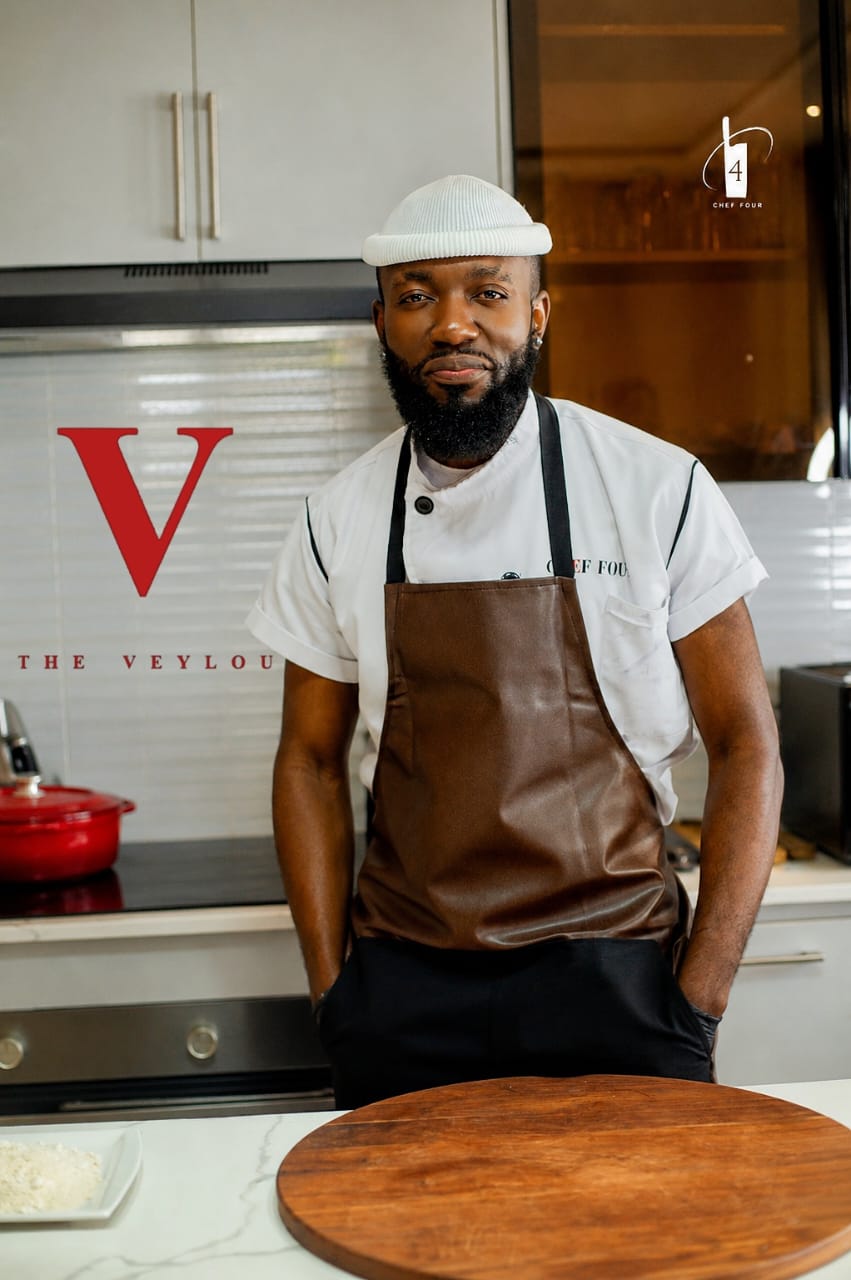
CHEF FOUR: THE FOOD SAMURAI PUTTING ZIMBABWEAN CUISINE ON THE GLOBAL TABLE
From childhood kitchen experiments to fine dining, private chef experiences and The Veylou Experience, award-winning Zimbabwean chef Chef Four is building more than a culinary career — he is creating a legacy.
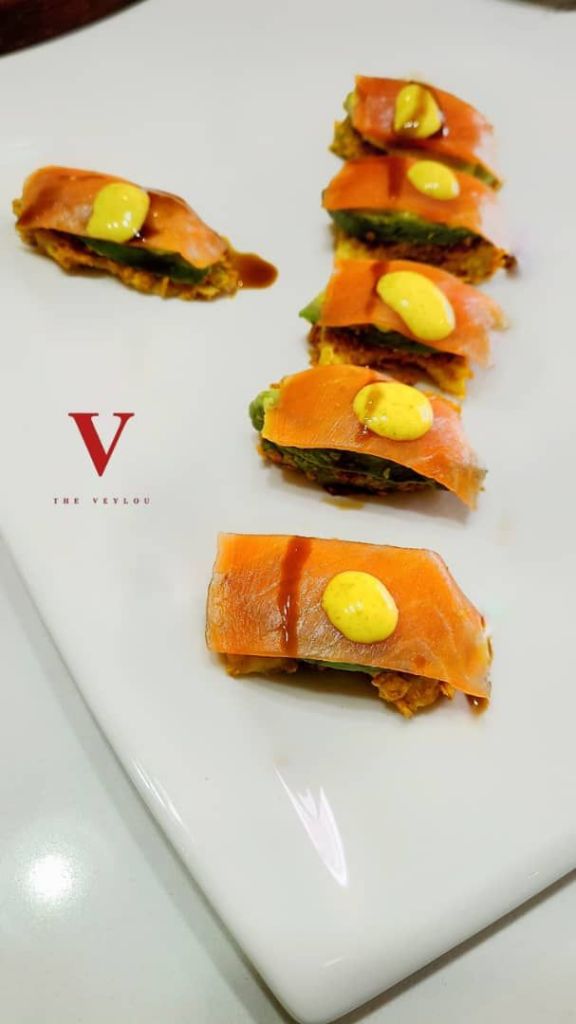
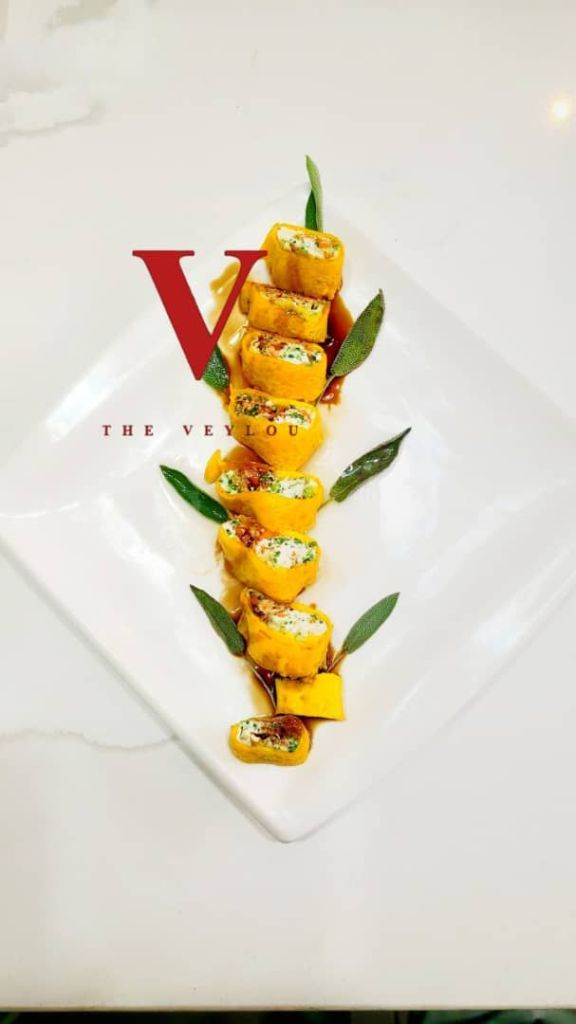
There are chefs who cook to feed people, and then there are chefs who cook to make people feel something.
Chef Four — affectionately known as The Food Samurai — belongs firmly in the latter category.
An award-winning celebrity chef, private chef, author, artist, musician, model, mentor and entrepreneur, Chef Four has built a distinctive identity around food, hospitality and storytelling. His culinary journey has taken him beyond Zimbabwe to South Africa, Nigeria and Mozambique, while his work continues to place African cuisine, and Zimbabwean culinary creativity in particular, in conversations that extend far beyond the continent.
For Chef Four, however, the journey was never simply about becoming famous.
It began much earlier — in a kitchen, as a four-year-old, with an unusual fascination for food and an instinctive desire to create.
Today, that childhood curiosity has evolved into a sophisticated culinary philosophy rooted in faith, discipline, continuous learning, service and excellence. Whether he is preparing fine dining, hosting an intimate private dinner or creating a luxury experience for a room filled with guests, his objective remains consistent: to create food that tells a story and experiences that remain long after the final course.
At the centre of his philosophy is a simple belief: “Slow is smooth and smooth is fast.”
It is a principle that reflects his approach to cooking, leadership and life — take the time to master the details, and excellence will ultimately speak for itself.
In this exclusive conversation, Chef Four opens up about his unusual beginnings, the meaning behind his name, his love for Zimbabwean cuisine, the evolution of his career, the philosophy behind The Veylou Experience and his vision of turning Zimbabwe into a destination for world-class luxury dining.
Beyond the Chef’s Jacket
For those discovering Chef Four for the first time, there is far more to him than the television screen or the kitchen.
“I am Chef Four, also known as The Food Samurai — an award-winning celebrity chef from Zimbabwe whose passion is creating unforgettable culinary experiences,” he explains.
Food, he believes, is one of the most powerful ways human beings can connect.
Every plate is therefore an opportunity to tell a story, evoke emotion and create a memory.
His work ranges from elegant fine dining and exclusive private dinners to luxury romantic experiences, with the same intention running through each: making every guest feel valued.
His international experiences in South Africa, Nigeria and Mozambique have further shaped his culinary identity. Travelling and cooking across different environments has exposed him to new ingredients, cultures and traditions while deepening his appreciation for the breadth of African cuisine.
Yet Chef Four refuses to define himself solely through food.
He is also an author, artist, musician, model, creative, mentor and entrepreneur — a reflection of a personality that thrives on exploration and continuous development.
He is equally passionate about inspiring the next generation of chefs and young creatives to pursue excellence with discipline, humility and patience.
His nickname, The Food Samurai, reflects that philosophy.
“I enjoy inspiring the next generation of chefs, sharing knowledge, and encouraging young people to pursue excellence with discipline just like the Japanese culture,” he says.
His values are anchored in faith, hard work, continuous learning and service.
For Chef Four, success is not measured simply by awards or public recognition, but by the impact one has on other people.
Why “Chef Four”?
The name Chef Four may sound simple, but its meaning is deeply personal.
For Chef Four, the number is connected to his Christian faith and his understanding of God as Father, Son and Holy Spirit.
He references John 14:23 and explains that the number four represents the presence of God in his life and the divine foundation behind his journey.
“Because God the Father, Son and Holy Spirit came into me, we became Four,” he explains, adding that his faith has been central to his ability to find the right ingredients, cook and believe in his purpose.
But there is another layer to the name.
Four is also his middle name.
And there is an intriguing family connection: he comes from a family of four children — two boys and two girls.
Perhaps even more fascinating is the story his late mother told him about his childhood.
At just four years old, Chef Four would reportedly wake up in the middle of the night while everyone else was asleep, walk into the kitchen, switch on the stove, open the oven and begin eating leftovers.
Looking back, what might have seemed like nothing more than childhood mischief now feels almost prophetic.
The kitchen had already found him.
A Life in the Kitchen
Chef Four does not describe cooking simply as his career.
For him, it has been a way of life from an extraordinarily young age.
His defining moment came when an aunt who had been caring for him left, leaving no one around who could cook.
Because he already loved being in the kitchen with her, Chef Four began preparing the same meals she had taught him.
But repetition quickly became a challenge.
The more he cooked, the more people expected from him. He realised that if he wanted to keep serving others, he had to improve.
He began teaching himself.
What started as necessity became an intense pursuit of mastery.
He immersed himself in professional cookery books, progressing from the first edition through to the 14th edition within a year.
He did not limit his learning to food preparation. His interest expanded into dining etiquette and the broader art of hospitality.
The experience, he says, was transformative.
He credits his aunt’s decision to leave her job as a moment that helped reveal the person he was destined to become.
From Zimbabwe to the World
Chef Four’s rise did not happen overnight.
It has been built through dedication, resilience and a commitment to excellence.
One of the most significant developments in his career was mastering fine dining and understanding that exceptional food is about much more than flavour.
It is about presentation.
It is about storytelling.
It is about atmosphere.
And, above all, it is about creating an experience that guests remember.
His international work further expanded his perspective.
Cooking in South Africa, Nigeria and Mozambique introduced him to different culinary traditions, cultures and ingredients while giving him the confidence to represent Zimbabwean talent beyond its borders.
Recognition as an award-winning chef became another major milestone.
Awards, he says, are meaningful because they acknowledge years of discipline, passion and hard work. They also opened doors to high-profile clients who demand world-class service, professionalism and attention to detail.
Then came private dining.
For Chef Four, becoming a private chef changed his understanding of luxury.
Clients were no longer simply hiring someone to prepare food.
They were trusting him to create a personalised experience.
It could be a romantic dinner, an executive event, a private celebration or an intimate gathering — and every detail mattered.
That experience ultimately helped build the Chef Four brand around elegance, creativity and unforgettable hospitality.
Today, he sees himself as more than a chef.
He sees himself as an ambassador for Zimbabwean and African cuisine and a representative of what African culinary talent can achieve on a global stage.
The Taste of Home
Despite his ability to work across multiple culinary traditions, Chef Four’s favourite cuisine remains close to home.
Zimbabwean cuisine.
His preferred dish?
Sadza served with braised oxtail and butter-fried green vegetables.
The combination is more than a delicious meal to him.
It represents home, energy and identity.
And if Chef Four had one opportunity to introduce the world to a dish that represents him, the answer would be equally rooted in Zimbabwe:
Sadza with Oxtail in Midnight Sauce and butter-fried green vegetables.
The dish carries three important meanings.
It represents his country.
It is his favourite.
And it is prepared using his own recipes, including sauces he personally created.
That distinction is important because Chef Four does not simply want to reproduce food.
He wants to reinterpret it.
He wants his guests to taste something familiar, but experience it differently.
The Foodie at Four
Chef Four’s relationship with food began when he was four years old, but his appetite for culinary discovery has only grown.
He describes himself as someone who genuinely craves the food he prepares.
Whether it is French cuisine or Japanese food, the aroma, appearance and anticipation can captivate him.
That passion has become part of his pursuit of perfection.
His philosophy is straightforward: if he craves what he cooks, then he wants his guests to crave it too.
Cooking with Love
What makes Chef Four’s food different?
His answer is not complicated.
Love.
“Every meal is made intentionally with love, not for money,” he says.
Money, in his view, is simply a companion of the journey.
The heart of the work must come first.
He wants every dish to have an identity and a personal signature.
The goal is for a guest not to say, “We have had this before,” but instead to leave thinking, “This is better than what we had before.”
That philosophy explains why Chef Four places so much emphasis on individuality.
He does not want to simply follow recipes.
He wants to make every dish his own.
The Art of Private Hospitality
Private dining has taught Chef Four that true luxury extends far beyond expensive ingredients or beautiful presentation.
Luxury is personal.
Every client is different, with individual preferences, lifestyles, cultures and expectations.
Understanding those differences is just as important as mastering the recipe.
For Chef Four, hospitality begins before the first course reaches the table.
It begins with listening.
He wants to understand not only what his clients want to eat, but also what they want to feel.
Whether it is a romantic dinner, private celebration or executive dining experience, the menu and environment are tailored around the occasion.
Private dining has also raised his standards.
There is little room for shortcuts when clients expect perfection.
Ingredient selection, presentation, timing, ambience and discretion all matter.
So does trust.
As a private chef, he is welcomed into people’s homes and personal spaces, a privilege that demands professionalism, confidentiality and respect.
The relationships he has developed with clients have consequently become one of the most rewarding parts of his journey.
For Chef Four, food is ultimately an expression of care, connection and celebration.
Fighting for African Culinary Excellence
The culinary industry is competitive, demanding and constantly evolving.
But Chef Four believes one of the biggest challenges he has faced has been proving that African chefs — particularly Zimbabwean chefs — can compete on the global stage.
Breaking stereotypes requires consistency.
It requires excellence that cannot be dismissed.
That responsibility has pushed him to raise his standards and represent Zimbabwe with pride.
He has also learned to adapt.
Food trends change. Guest expectations evolve. New techniques emerge.
The challenge is knowing how to innovate without losing one’s identity.
For Chef Four, another major lesson has been understanding the difference between creativity and consistency.
A chef can create one spectacular meal, but a lasting reputation is built by delivering excellence repeatedly.
Setbacks have also played their part.
Rather than allowing disappointments to define him, Chef Four has used them to develop greater resilience, focus and discipline.
His conclusion is clear:
Talent alone is not enough.
Passion, discipline, humility, consistency and integrity are what sustain a lasting career.
When Food Becomes a Language
For Chef Four, food is one of humanity’s most universal languages.
A great meal can bring people together regardless of culture, background or generation.
It creates an opportunity to celebrate, share stories and build relationships.
The most memorable meals, he believes, are not remembered only because of their flavour.
They are remembered because of what happened around the table.
The laughter.
The conversations.
The emotions.
The people.
The moment.
Food can turn strangers into friends, strengthen families and transform an ordinary gathering into a lifelong memory.
Building Chef Four Online
Social media has become an important part of the Chef Four story.
His online presence has enabled him to showcase his work, personality and culinary creativity to audiences far beyond Zimbabwe.
But he sees social media as more than a marketing platform.
It is a window into his world.
Through it, food lovers, clients and aspiring chefs can experience his personality, creativity and journey.
It has also created opportunities for collaborations, private clients and international exposure while helping him promote African cuisine to a wider audience.
Enter The Veylou Experience
Perhaps the most ambitious expression of Chef Four’s philosophy is The Veylou Experience.
The concept grew organically from one of his services: the Chef’s Table.
At the Chef’s Table, clients do not simply eat.
They watch Chef Four prepare their cuisine while he tells them the story behind each dish — where it originated, how it was created and, where possible, who created it.
The experience has given him an unexpected education of its own.
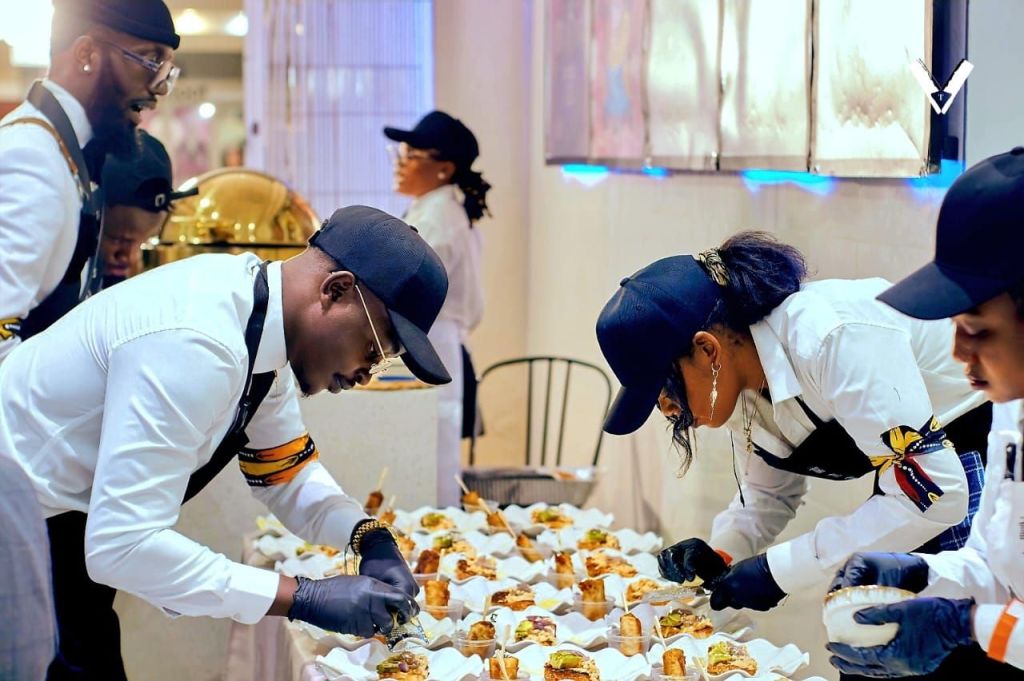
Over the years, he has cooked for lawyers, doctors, celebrities, businesspeople and people from many different walks of life.
And every client brought something to the table.
Every conversation taught him something.
That inspired a bigger idea.
Instead of Chef Four always travelling to clients, why not create an environment where people could come to him?
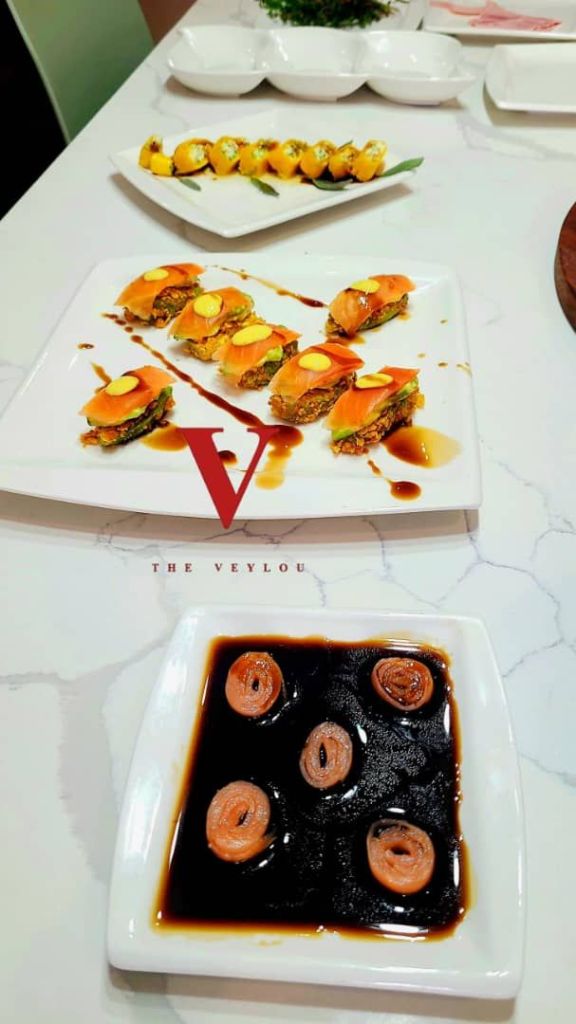
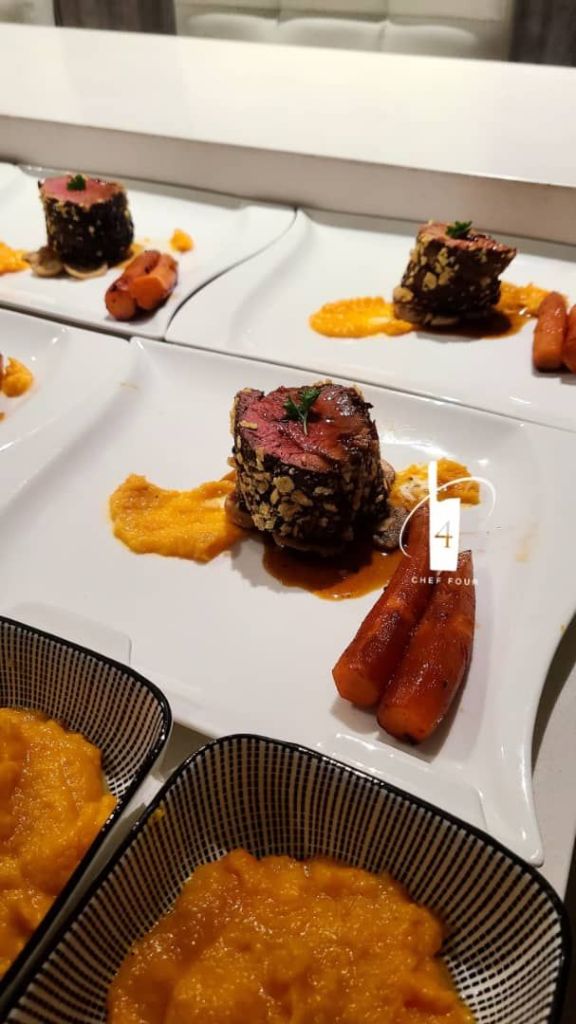
That idea became The Veylou Experience — a luxury environment combining the Chef’s Table, BBQ, wine tasting and a world-class culinary experience.
The vision is deliberately ambitious.
Chef Four wants The Veylou to draw people towards Zimbabwe.
He wants it to become recognised as one of the world’s most prestigious luxury dining spaces — and for that destination to be in Zimbabwe.
“People should expect luxury, pure luxury and world-class culinary experience,” he says.
The Joy Behind the Experience
Asked about his most unforgettable moment while filming The Veylou Experience, Chef Four does not mention a particular celebrity, dish or award.
Instead, he talks about his clients.
Seeing people react with genuine excitement to the food he has prepared.
Hearing them laugh.
Watching them relax.
Seeing them experience joy.
For Chef Four, those moments matter because they demonstrate that the environment has achieved something beyond food.
It has created safety, peace and connection.
And that, ultimately, is what hospitality is about.
Advice to the Next Generation
For young people dreaming of becoming professional chefs, Chef Four’s advice begins with identity.
“Find who you’re ‘Identity’ and who you want to become ‘Inspiration’,” he says.
His philosophy is to understand who you are, identify who inspires the person you want to become, and then apply the principles of that inspiration to your own journey.
He makes an important distinction between rules and principles.


Rules can change.
Principles endure.
He also encourages young chefs to learn from others without becoming copies of them.
“Learn from others but do not become them.”
Then comes the philosophy that has become synonymous with his own journey:
“Slow is smooth and smooth is fast.”
For Chef Four, moving quickly does not necessarily mean rushing.
Sometimes, slowing down and mastering each step is what ultimately allows you to move faster because you eliminate the need for repetition.
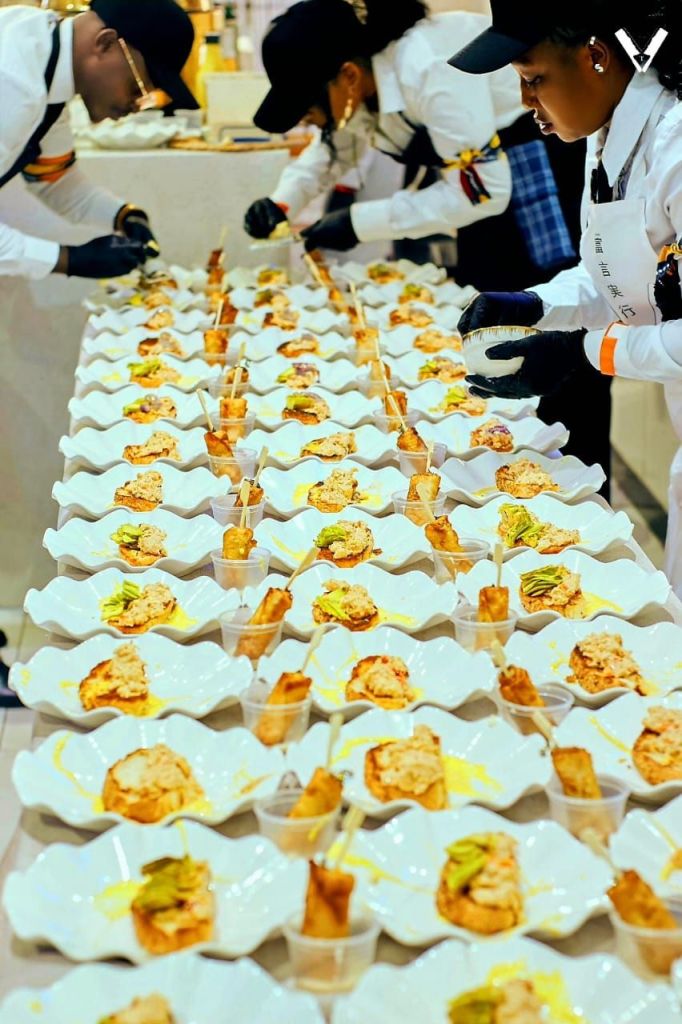
His team also embraces a Japanese motto:
富言柔行 — Deeds, not words.
For Chef Four, talking about ambition is easy.
Execution is what matters.
“Most people want to talk then fail to become because energy is lost through speech,” he explains.
His philosophy is therefore to let the work speak.
As a chef, his duty is to create.
And when the work is exceptional, people will talk about it.
A Legacy Served One Plate at a Time
Chef Four’s story is ultimately bigger than the kitchen.
It is about faith, identity, discipline, creativity and the power of African talent.
From a four-year-old boy sneaking into the kitchen in the middle of the night to an award-winning chef serving private clients and building an ambitious luxury culinary destination in Zimbabwe, his journey has been shaped by an unusual combination of curiosity and conviction.
He has travelled beyond Zimbabwe, but his culinary identity remains deeply connected to home.
He has embraced global gastronomy without abandoning his roots.
And while television may have introduced his personality to wider audiences, his ultimate ambition reaches far beyond being recognised as a celebrity chef.
He wants to elevate African cuisine.
He wants to inspire young chefs.
He wants to create experiences that people remember.
And through The Veylou Experience, he wants to make Zimbabwe itself part of the global luxury dining conversation.
At the heart of it all is a chef who believes food can do more than satisfy hunger.
It can tell stories.
It can preserve identity.
It can create connection.
It can inspire.
And, when prepared with intention, it can turn a meal into a memory.
Chef Four is not simply cooking food. He is building an experience — one plate, one story and one unforgettable moment at a time.
 WORLD OF FASHION & MODELLING