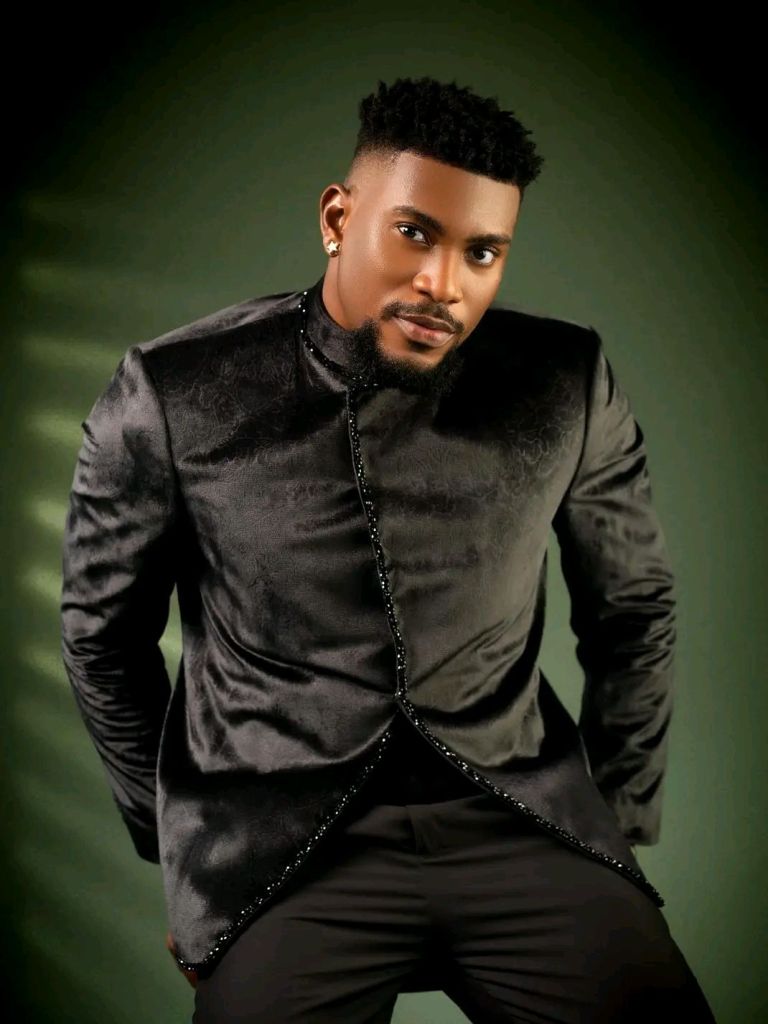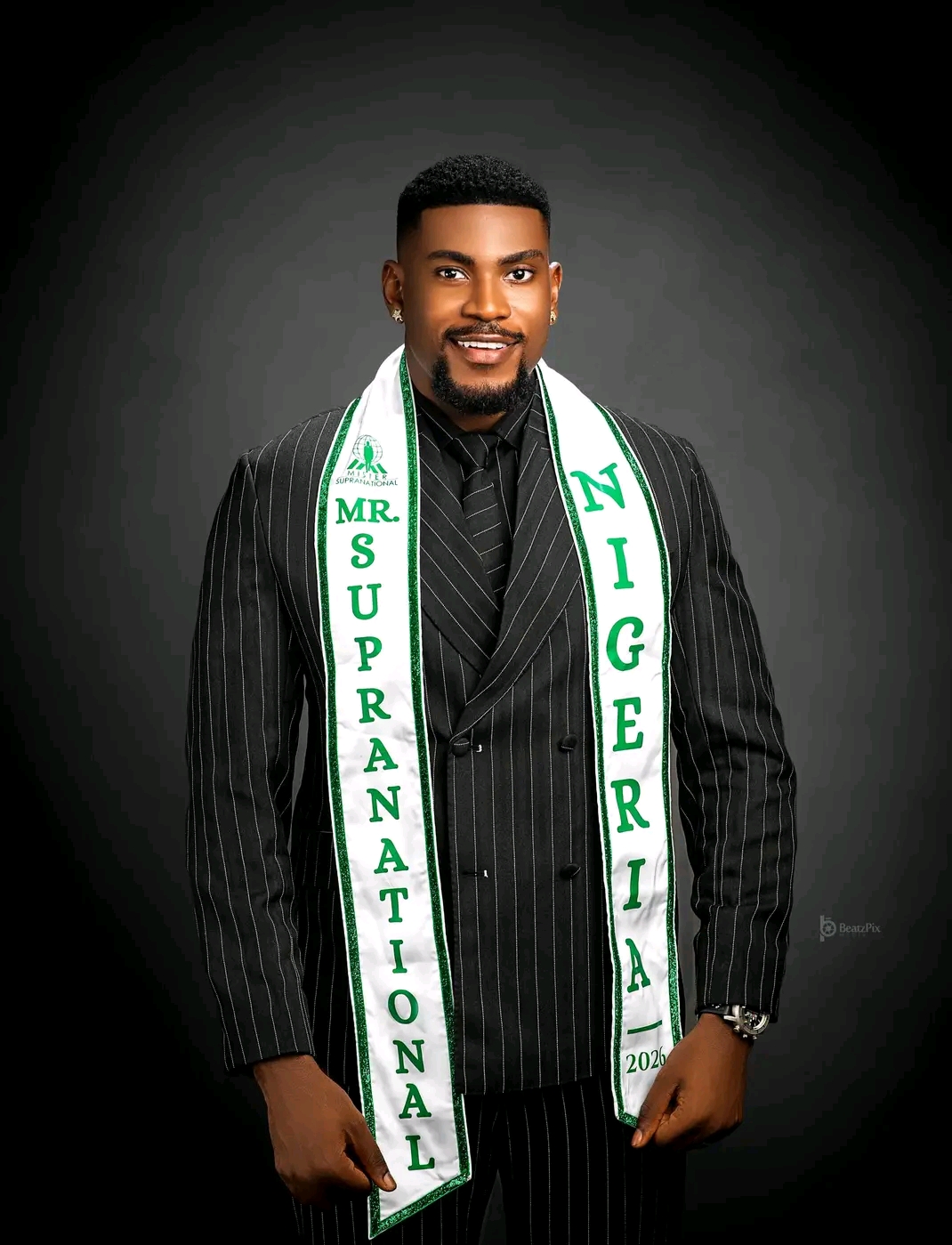
Lam Chris Chidubem: “This Crown Is His Receipt
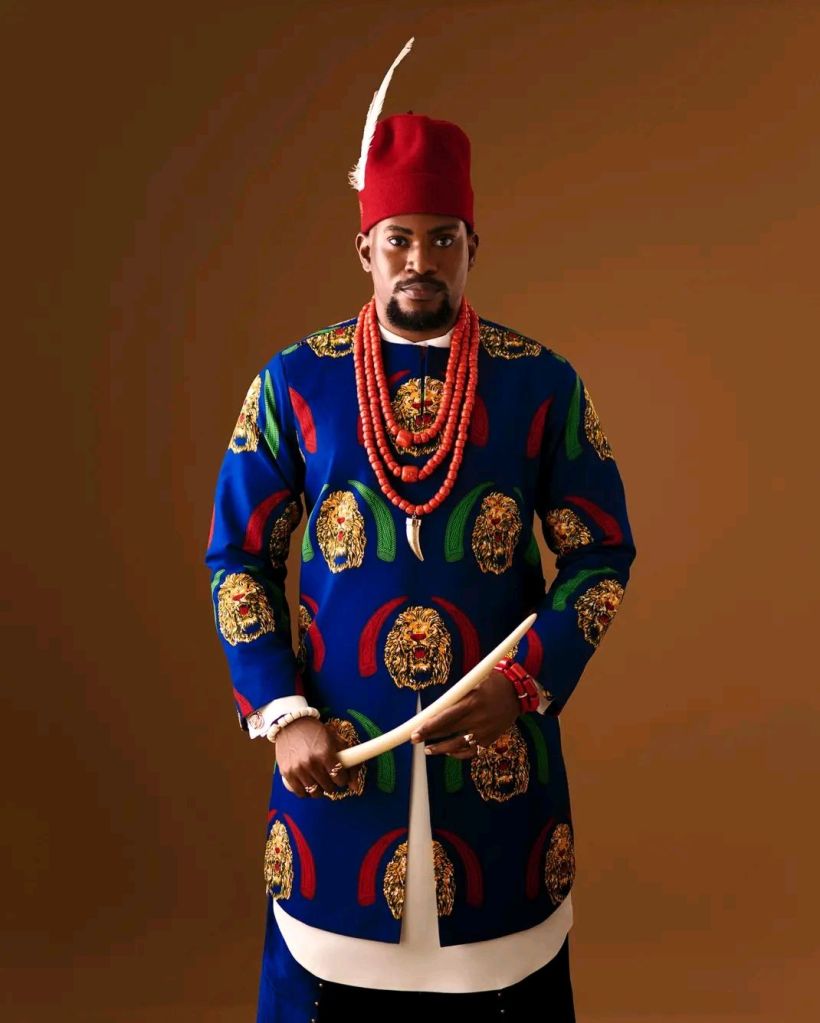
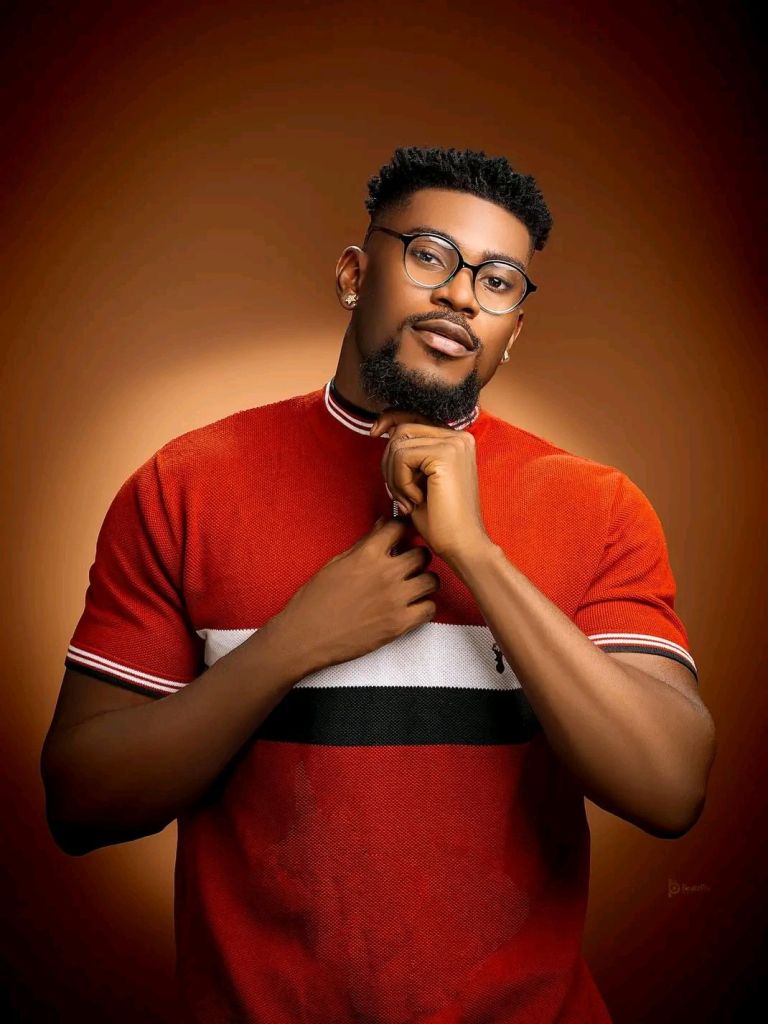
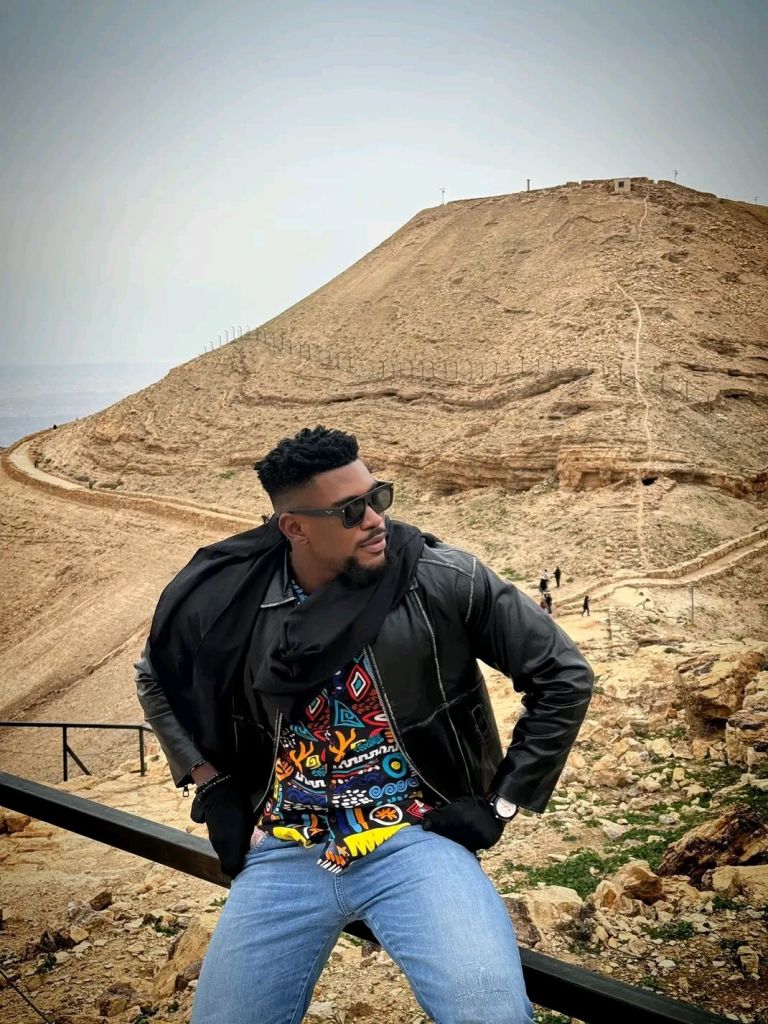
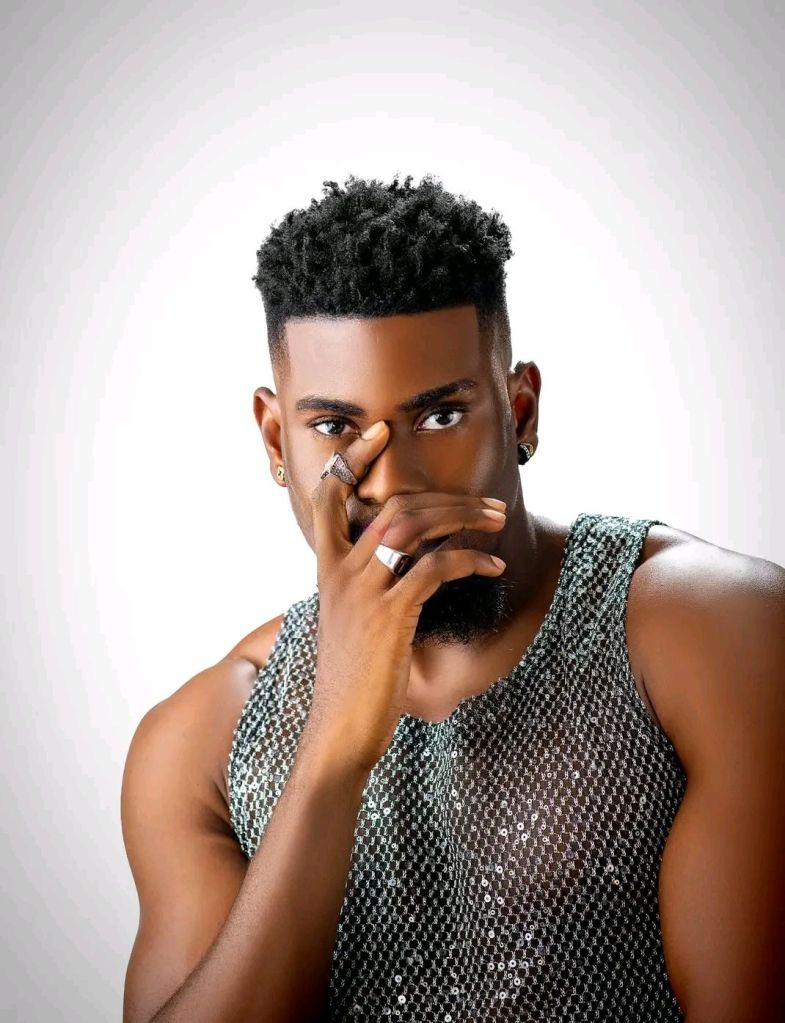
From Lagos runways to the Mister Supranational arena, Lam Chris Chidubem is carrying more than a sash. He’s carrying a conversation. As Nigeria returns to the Supranational stage, the first Nigerian Top 16 at Manhunt International speaks on legacy, modern masculinity, sustainability, and the boy child the world keeps forgetting. This is his story, in his words.
*Q. Mister Supranational 2026 is your next stage. What moment in rehearsal made you realize this crown isn’t just for Nigeria, it’s for every boy watching you claim space globally?
*A.* Honestly, it hit me during a quiet run-through, not during the loud parts. I was standing on my mark, lights down, and I caught my reflection in the mirrored panel. For a second I didn’t see “the contestant.” I saw the boy I used to be in secondary school — the one told men don’t cry, men don’t ask for help, men just carry it. And I realized: if that boy could see me now, standing in this sash, he’d breathe easier. That’s when it stopped being a Nigerian assignment and became a global one. Because there’s a boy in Manila, Warsaw, São Paulo, watching the same broadcast, waiting for permission to be soft and strong. This crown is his receipt.
*Q. You made history as the first Nigerian Top 16 at Manhunt International. Walking into Mister Supranational 2026, how does that “first” fuel your mindset going up against 30+ countries?*
*A.* That Top 16 didn’t just open a door — it proved the door was never locked, we just hadn’t walked through it with the right posture. Walking into Supranational, I’m not carrying pressure, I’m carrying precedent. “First” teaches you: you don’t have to be the loudest in the room, you have to be the most prepared. I’ve already broken one ceiling, my body knows how to do it. Now we go higher. Nigeria isn’t auditioning on that stage. Nigeria is competing to win.
*Q. Mazi Michael put Nigeria Top 5 at Supranational. As Mister Supranational Nigeria 2026, what part of that legacy are you determined to elevate?*
*A.* Mazi gave us proof of concept — 3rd Runner-up, Top 5 in Talent. What I’m picking up from his run is the presence. That quiet, grounded, “I belong here” energy he carried through every segment. My job is to take that foundation and add range: deeper advocacy storytelling, sharper Supra Model command, and a national costume moment that travels beyond the stage. Mazi opened the gate. I’m here to walk us through it and not look back.
*Q. Supranational is a pageant of presence, styling, and theme. Before you say a word, what story about modern Nigeria do you want your walk and styling to tell the judges?*
*A.* My walk has to say: Nigeria is no longer asking permission. The styling will be clean, intentional, tailored — bold and unmistakably ours. Think contemporary African masculinity: structured shoulders, considered fabric, a finish that nods to Lagos tailoring houses without screaming for attention. The story is “new Nigerian man” — globally fluent, locally rooted, emotionally literate. Modern Nigeria isn’t a stereotype. It’s a posture. The judges will read it before I say a word.
*Q. You unveiled the Suzuki Across 2026 Hybrid with Mr World Nigeria and Miss Supranational Nigeria. How will you use that same innovation-meets-style energy in the Supra Model segment?*
*A.* Unveiling that hybrid taught me: innovation isn’t loud, it’s deliberate. The Across 2026 doesn’t shout that it’s the future — it just is the future, quietly. That’s the energy I’m bringing into Supra Model. Clean lines, controlled tempo, every turn earning its place. No theatrics. Just engineering. When a man walks like he was designed for the moment, you don’t need a soundtrack to tell the judges he’s the one.
*Q. Advocacy scores big at Mister Supranational. In 60 seconds on Supra Chat, how will you sell “Just a Boy, Grooming the Perfect Man” to a global audience?*
*A.* Every man you admire — every president, father, champion — was once a boy nobody trained. We celebrate finished men and ignore the boys becoming them. ‘Just a Boy: Grooming the Perfect Man’ is my answer to that silence. It’s mentorship before crisis. It’s emotional vocabulary before violence. It’s a boy being told he is valuable before the world tells him he is dangerous. I’m not raising perfect men — I’m grooming honest ones. Because the world doesn’t need more hard men. It needs more whole ones.
*Q. You spent your birthday with the boy child and said “they are not stones”. When the advocacy round asks “why now”, what’s your answer for boys across the world?*
*A.* I said that because I’d just spent the day with boys told to “be strong” — which really meant “be silent.” Stones don’t break, but stones also don’t grow. Boys are not stones. They are seeds. Right now, globally, we’re losing them to suicide, addiction, extremism, loneliness disguised as masculinity. Why now? Because the data is screaming and the culture is still whispering. If we wait another decade, we won’t be repairing men, we’ll be burying them. Supranational gives me a microphone. I’m using it before the silence costs us another generation.
*Q. Mister Supranational tests stamina, grace, and message under pressure. What’s your daily routine to make sure your mind and heart match the pageant’s intensity?*
*A.* Mornings start before the city wakes — prayer, then journaling, before I touch a phone. That’s the heart part; if I lose that, the rest collapses. Then training: strength four days, mobility and cardio the others, because Supranational stamina is standing-under-lights-and-still-being-articulate stamina. Afternoons: runway drills, posture work, Q&A simulation. My team fires hard questions until my answers stop being rehearsed and start being mine. Evenings: read, reflect, sleep early. The crown won’t be won in Poland. It’s being won every morning at 5:30 a.m. in Lagos.
*Q. Environment and sustainability are central to Mister Supranational. As the man who launched a hybrid vehicle, what’s your message to the stage about responsibility and the future?*
*A.* Launching a hybrid wasn’t a photo-op — it was a position. We’re the generation that inherited a planet on a deadline, and Africa will absorb the worst of a crisis we contributed least to. Sustainability isn’t a Western luxury, it’s an African survival strategy. Hybrid mobility, clean energy, climate-smart cities — these aren’t trends, they’re terms of our future. As men, as leaders, as titleholders, we don’t get to opt out. The next generation won’t ask what we wore on stage. They’ll ask what we changed while we were on it.
*Q. National costume night is a Supranational highlight. Without spoiling it, what Nigerian symbol are you designing to make the judges and audience feel Nigeria the second you step out?*
*A.* I won’t spoil the build, but I’ll give you the soul: it draws from a symbol every Nigerian recognizes the moment they see it — rooted in our heritage, but reinterpreted with a contemporary, architectural finish. The moment I step out, I want the audience to feel two things: ancient and arriving. Not a museum piece. A movement. When the lights catch it, Nigeria shouldn’t be announced — Nigeria should be recognized.
*Q. The Q&A can crown a king in one answer. What’s the toughest question you’re prepping for at Mister Supranational 2026, and why does it matter for boys back home?*
*A.* “In a world fighting for women’s rights, why focus on the boy child?” It’s hard because it’s a trap if you answer it wrong — it sounds like you’re pitting genders against each other. But the truth is opposite. Healed boys become safe men. Safe men become better partners, fathers, leaders, citizens. Investing in boys is investing in women’s safety long-term. That matters for boys back home because for too long they’ve been told their pain is a competition with someone else’s. It isn’t. There’s room for both. A global stage is exactly where that truth needs to be said out loud.
*Q. You wrote that “real strength is found in connection and showing up”. On the Mister Supranational stage, how will you model that strength so boys see vulnerability as power?*
*A.* I won’t perform invulnerability up there. That’s the old playbook. In interview, advocacy, Supra Chat — I’ll let the audience see the texture of me. I’ll talk about the boys I mentor by name. I’ll let my voice break if it breaks. I’ll make eye contact instead of performing eye contact. Boys watching have seen a thousand men flex. What they haven’t seen enough of is a man on a global stage choosing presence over performance. If one boy decides “I can be like that — strong and soft” — then the crown already did its job before they announced a winner.
*Q. When the final night ends and the crown is passed, what’s the one impact you want every Mister Supranational 2026 viewer to say Lam Chris Chidubem left with the boy child?*
*A.* I want one sentence in every viewer’s mouth: “Lam reminded us the boy child is not a problem to manage — he is a future to invest in.” Not that I was the tallest or most polished. But that on a stage built for spectacle, I made the world look at a boy and see possibility instead of threat. If Supranational 2026 ends and even one father hugs his son differently, one teacher listens longer, one boy whispers “I matter” before he sleeps — then Nigeria didn’t just compete. Nigeria contributed. And that’s the only legacy worth wearing a crown for.