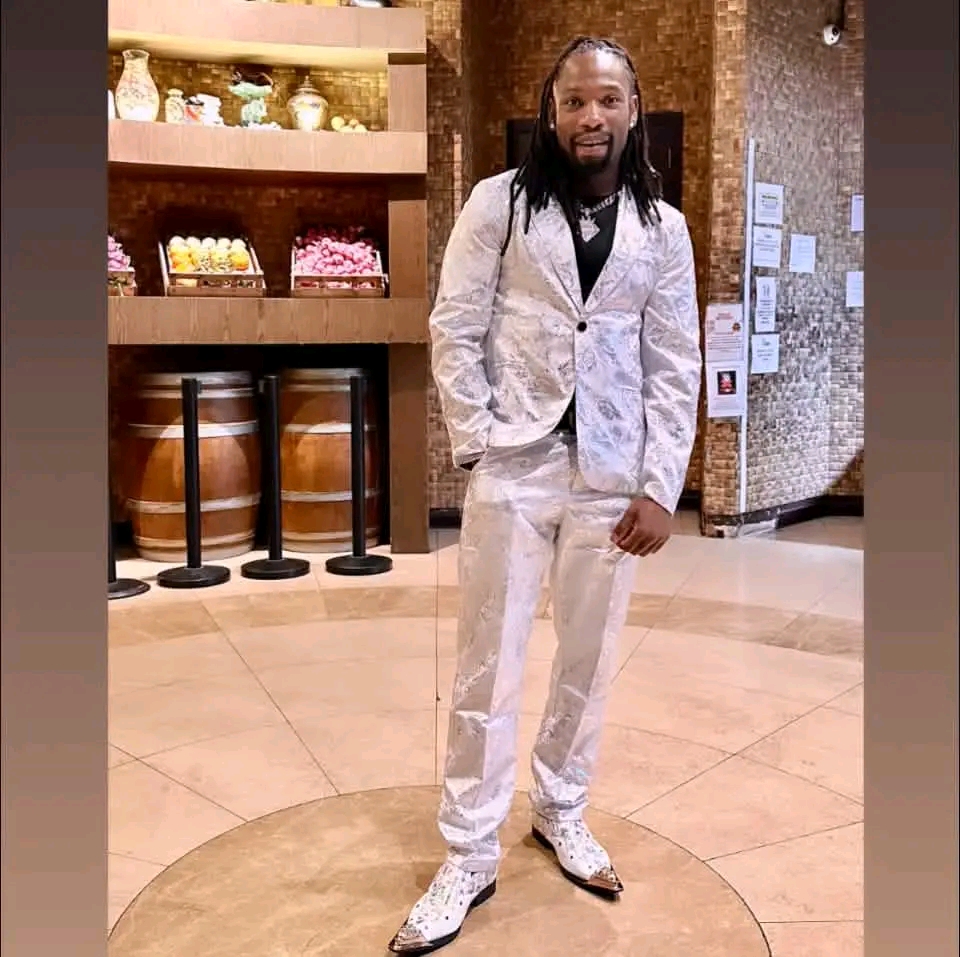
PETER “ROCK” KWAIRA: THE KING CHANGING THE CONVERSATION ON AFRICAN MEN’S MENTAL HEALTH
Zimbabwe’s Mister Africa International 2026 takes #RootedInAfricaRisingAsAKing to the United Kingdom this October, using the international stage to champion mental wellbeing, African identity and a new generation of purpose-driven masculinity.
A king is often expected to look strong.
For Peter “Rock” Kwaira, the deeper question is whether a king can also admit when he is not.
As Zimbabwe’s newly crowned Mister Africa International Zimbabwe 2026, Kwaira is preparing to carry the Zimbabwean flag onto the international stage at the Mister Africa International All-Stars 2026 in the United Kingdom this October.
But his journey is not being built around a crown alone.
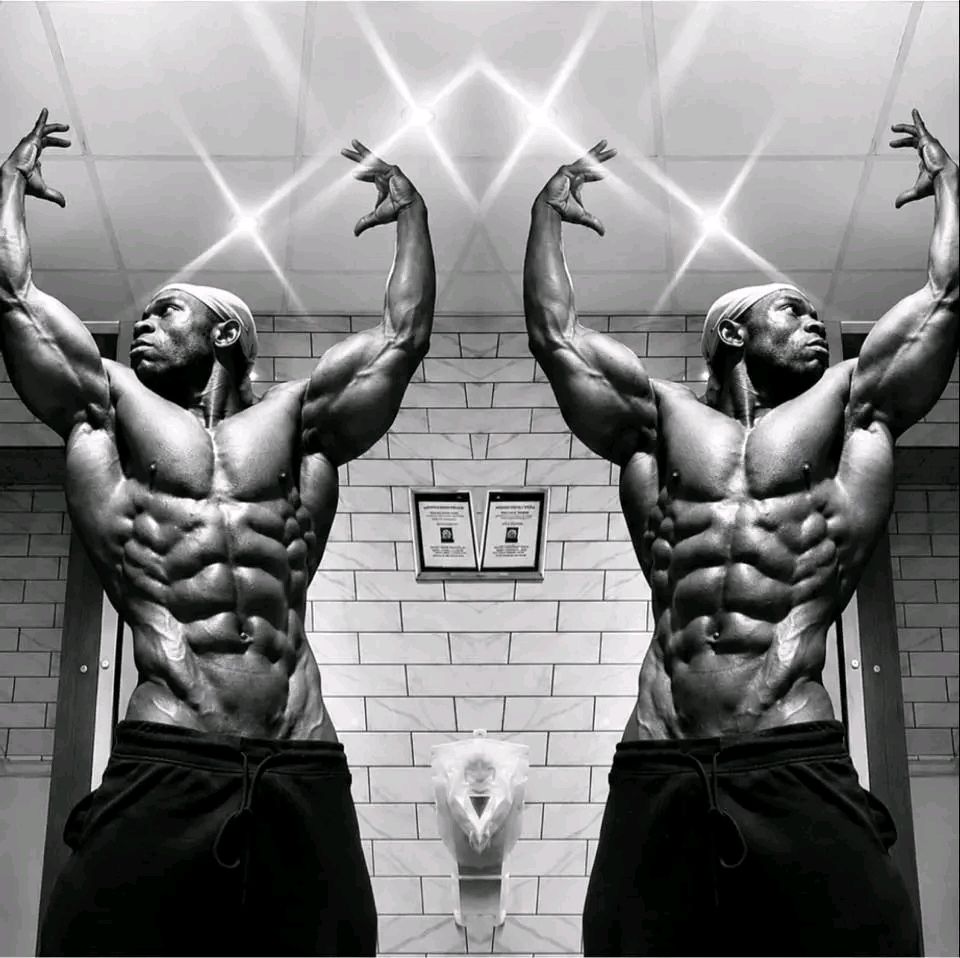
It is being built around a purpose.
For Kwaira, male pageantry is an opportunity to place important conversations in front of audiences that may not otherwise hear them. At the centre of his platform is a subject that remains difficult for many African men to openly discuss: mental health.
His philosophy is captured in four powerful words:
#RootedInAfricaRisingAsAKing.
The slogan is more than a social-media hashtag. It represents the identity he wants to carry into the international arena — an African man who understands his roots, embraces his future and believes leadership should come with responsibility.
“
That philosophy also influences the way Kwaira approaches fashion.
For him, fashion is not simply about looking good on a pageant stage. It is a form of communication — a way of presenting African masculinity with confidence while remaining connected to culture.
“Fashion is one of the ways we tell the world who we are before we even speak. For me, being rooted in Africa means I can embrace modern fashion while still carrying my culture, my values and my identity. Rising as a king means having the confidence to be seen, but also having the courage to speak about what is not always seen.”
What is often not seen, he believes, is the emotional reality behind the image of the successful African man.
Mental health remains a major public-health challenge across Africa. The World Health Organization’s African Region reported in 2025 that an estimated 150 million people in Africa are living with mental-health conditions, amid significant shortages in mental-health services.
For men, the issue can be particularly complex.
Cultural expectations around masculinity can encourage men to be providers, protectors and figures of strength while discouraging emotional vulnerability and help-seeking.
Kwaira wants to challenge that narrative.
“We have to stop teaching African boys that asking for help makes them weak. A man can be strong and still struggle. He can provide for his family and still need someone to ask, ‘Are you okay?’ Strength is not pretending that everything is fine. Sometimes strength is admitting that you need help.”
His message is particularly relevant to the African diaspora.
This October, when Kwaira travels to the United Kingdom for Mister Africa International All-Stars, he will be entering a space where African identity intersects with the realities of life away from the continent.
For many Africans living in Europe, the pressures of migration can include questions of belonging, discrimination, employment, family separation, cultural adjustment and the expectations of relatives back home.
Research into African immigrants in the United Kingdom has identified cultural, psychosocial and structural barriers that can make accessing mental-health support difficult.
Kwaira believes that the African diaspora needs a mental-health conversation that understands these realities.
“For an African man living abroad, sometimes the pressure is invisible. You are expected to succeed because everyone back home believes you have found a better life. You may be sending money home, supporting your family and trying to build your own future, but very few people ask what that journey is doing to you emotionally.”
It is a message that he intends to take with him to Britain.
The Mister Africa International All-Stars platform represents more than another competition for Kwaira. It is an opportunity to engage with African representatives and communities beyond the continent while presenting Zimbabwe through a modern African lens.
“I am not going to the UK simply to compete for another title. I am going there carrying Zimbabwe, carrying Africa and carrying the stories of young African men who are trying to find their place in a changing world.”
His understanding of kingship has also been shaped by those who came before him.
Previous Zimbabwean representatives have demonstrated that carrying the country’s sash internationally requires discipline, confidence and an ability to communicate beyond the runway.
Future Nyoni, who previously represented Zimbabwe at Mister Africa International and finished as first runner-up, is among the Zimbabwean pageant figures whose journey offers Kwaira an important example of international representation.
Then there is Dr Fezile Mkhize, the former Mister Supranational, whose combination of professional achievement, communication, confidence and purpose helped demonstrate how male pageantry can become a platform for something much greater than appearance.
Kwaira says he respects those who have paved the way but does not intend to become a replica of anyone else.
“The kings before us have created a pathway. I respect what they have achieved because they have made it easier for the next generation to dream bigger. But every king has to bring something of his own. I want my legacy to be connected to purpose, mental health, African identity and the belief that our young men deserve to be heard.”
That distinction could become important as he enters the international All-Stars environment.
The modern African male pageant contestant is increasingly expected to demonstrate more than physical presentation. Communication, intelligence, authenticity, social awareness and leadership are becoming part of the package.
Kwaira understands that the crown can attract attention, but purpose determines what happens with that attention.
“The crown is visible, but the responsibility behind it is invisible. What matters to me is what happens after the applause. If one young man hears my message and decides that he is not alone, then my journey has already achieved something.”
His mental-health advocacy is therefore not positioned as a departure from his pageant identity. It is central to it.
For Kwaira, redefining African masculinity does not mean rejecting tradition. It means giving African men permission to evolve.
“We can celebrate our culture and still talk about mental health. We can respect tradition and still tell our sons that it is okay to cry. We can teach boys to become strong men without teaching them to become emotionally silent men.”
That message carries particular weight for young African men growing up between cultures.
Whether they are living in Harare, Johannesburg, London or elsewhere in the African diaspora, many young men are navigating questions of identity and expectations while attempting to construct their own definition of success.
Kwaira wants to offer them a different image of the African king.
Not a man who never struggles.
But a man who understands that seeking support is not surrender.
“I want African boys to grow up knowing that they don’t lose their masculinity by talking about depression, anxiety, loneliness or fear. There is strength in asking for support. A king does not have to hide his wounds. A king understands when he needs help.”
This is where #RootedInAfricaRisingAsAKing becomes more than a slogan.
“Rooted in Africa” represents heritage, culture, history and identity.
“Rising as a King” represents leadership, responsibility, ambition and service.
Together, they describe the kind of international ambassador Kwaira wants to become.
“Africa is my foundation, not my limitation. I want to carry the beauty, strength and resilience of Africa into every room I enter. But I also want to challenge the things we need to change.”
As October approaches, the spotlight will inevitably turn towards the competition — the stage, the fashion, the interviews, the presentations and ultimately the crown.
But Kwaira appears to understand that the most memorable contestants are not always the ones who simply look the part.
They are the ones who give the judges something to remember.
For him, that something is purpose.
“When I walk onto that stage in October, I want people to see Zimbabwe before they see Peter. I want them to see Africa before they see the competition. But most importantly, I want them to hear the message behind the man.”
His fashion will introduce him.
His confidence will command attention.
His African identity will give him distinction.
But his message about mental health could give his journey meaning.
And perhaps that is the essence of the king Peter “Rock” Kwaira wants to become.
Not simply a man wearing a crown, but an African man willing to use that crown to make difficult conversations easier to have.
“If my appearance makes someone look at me, I want my words to make them think. If my crown gives me a platform, I want to use that platform to create conversations that can save lives. That is what being a king means to me.”
In October, when Zimbabwe’s newest king walks onto the Mister Africa International All-Stars stage in the United Kingdom, he will not only be competing for recognition.
He will be carrying a story about Africa.
A story about masculinity.
A story about the diaspora.
And a message to men who have spent too long believing that silence is strength.
Rooted in Africa. Rising as a king.
For Peter “Rock” Kwaira, the rise is not about standing above others.
It is about standing for something.

