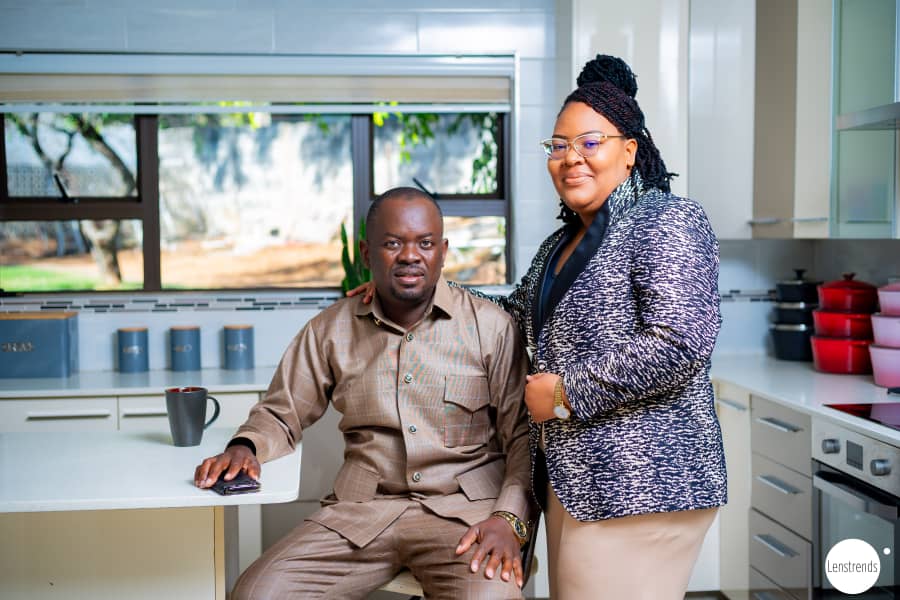
THE HOUSE THAT BECAME HAUTE COUTURE: HOW THEMBANI MUBOCHWA TURNED A BULAWAYO HOME INTO AFRICA’S MOST INTIMATE ATELIER
In July, behind the gates of a quiet Bulawayo suburb in the City of Kings and Queens, something unprecedented happened. The sound of sewing machines replaced the sound of dinner conversation. Mannequins stood where family portraits usually hang. Bolts of South African wool and silk were unrolled across dining tables. For four days, a private home ceased to be a home and became Africa’s most intimate atelier.
This was not a campaign shoot. This was not a brand activation in a hotel ballroom. This was Thembani Mubochwa and Afro Jumbo Bespoke moving in.
The hosts were the Sibanda family, proprietors of Epic Restaurant, one of Bulawayo’s most enduring hospitality institutions. They did something no family in Zimbabwe, and few on the continent, had ever done: they opened their doors and let a global design house live with them.
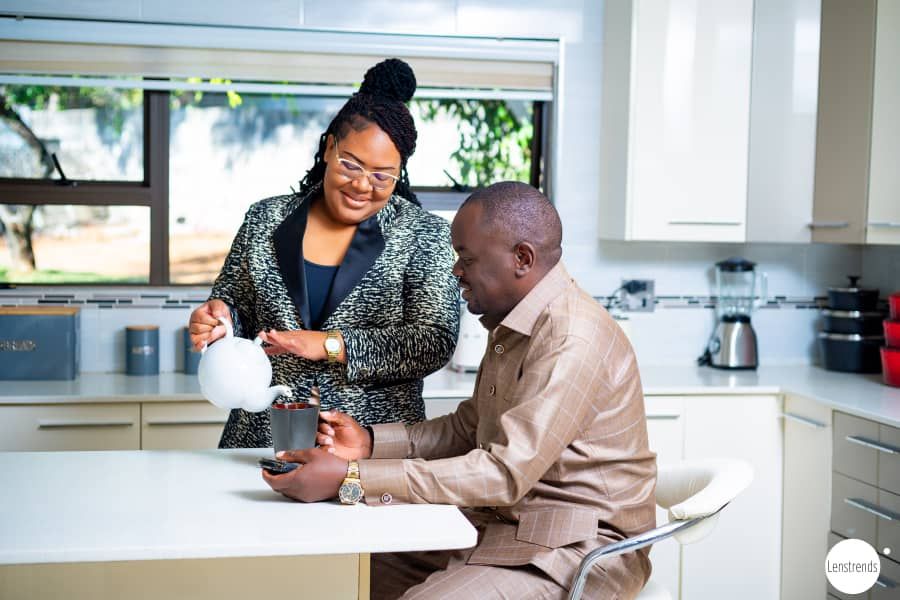
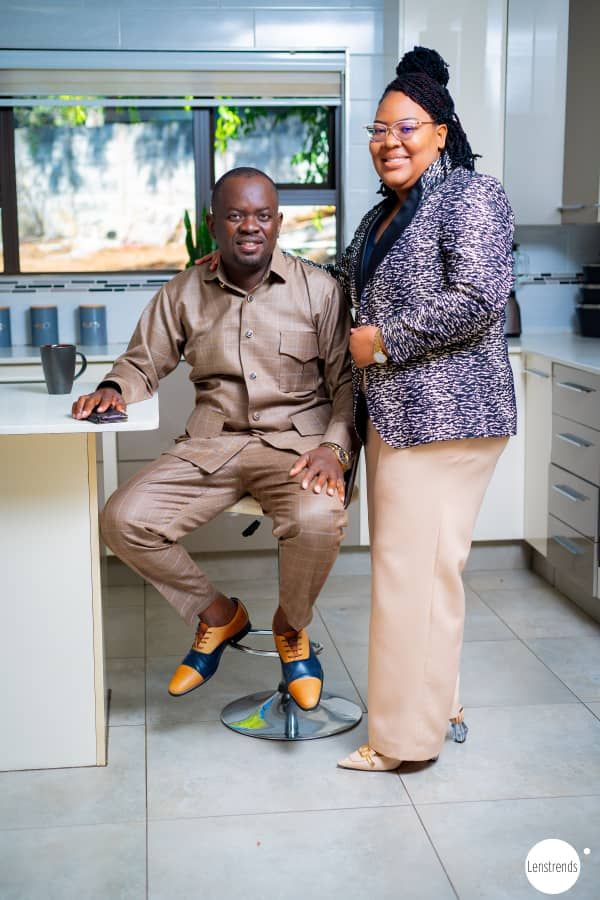
What Mubochwa calls “part of the process” became a cultural first for Bulawayo. And in doing so, it may have quietly redefined what African luxury looks like in 2026.
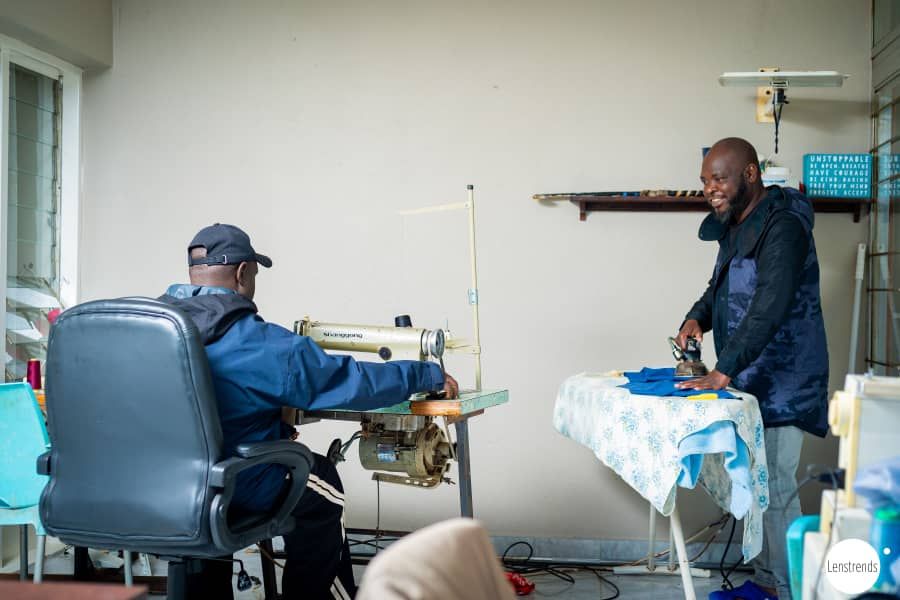
From the moment the Afro Jumbo team arrived, the house began to transform. The living room was cleared and relit to become a fitting salon. Bedrooms were converted into workspaces with cutting tables and steamers. A guest room was reserved so the team could rotate rest between 22-hour workdays. They would sleep for two hours, then return to draping, pinning, and refining. The Sibandas matched that pace. Meals were shifted. Routines were paused. The entire household began to orbit around the making of clothes.
It was deliberate. For Mubochwa, bespoke has never been about measurements alone.
“We have worked this way since 2012,” he told during a rare break between fittings.
“Anyone can take your size in 15 minutes. But to understand how a garment should live with you, you must understand how you live. We watch how you sit. How you walk from the kitchen to the lounge. How you hold yourself when you are not performing. That is what makes the clothes honest.”
That honesty required proximity. And the Sibandas gave it.
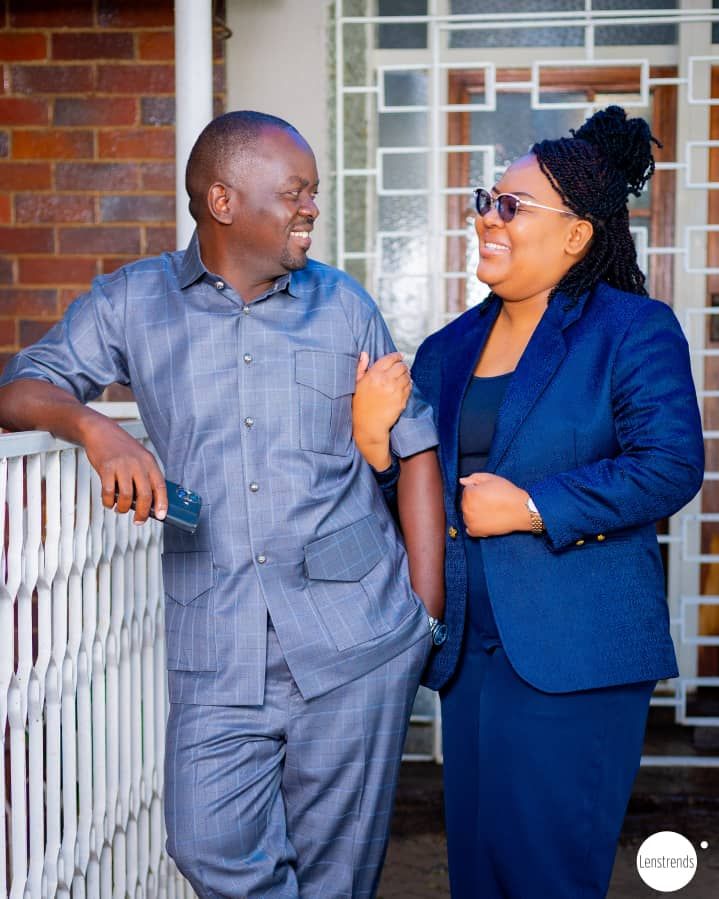
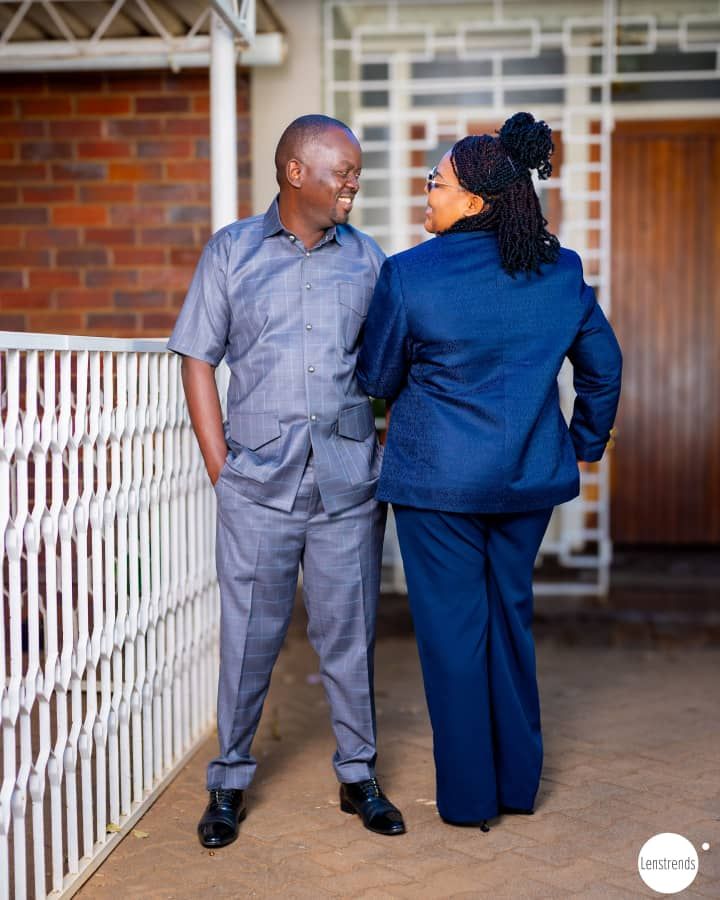
For Mrs. Sibanda, the experience dismantled every idea she had about luxury.
“It was an experiment, but it became a lifestyle,” she said. “This is the first time a designer has come into my private space to build my wardrobe. I would walk in and see my fabric being cut where I usually have coffee. I filmed it. I didn’t think it was possible to have that level of exclusivity in your own home. The house was not invaded. It was elevated. It felt like the house itself was being dressed.”
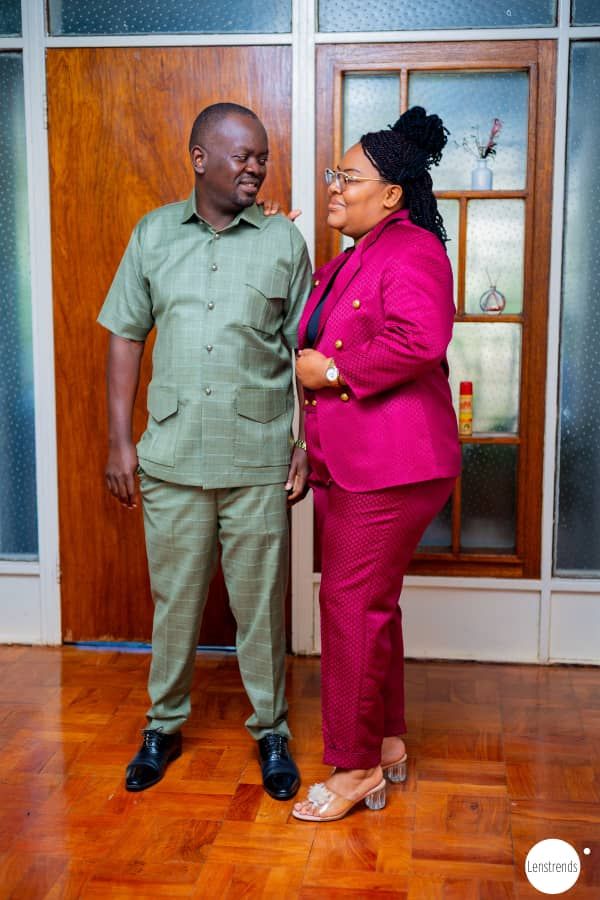
From that elevation came eleven pieces. Not a collection in the runway sense. A wardrobe. Each garment made for one person, for one life.
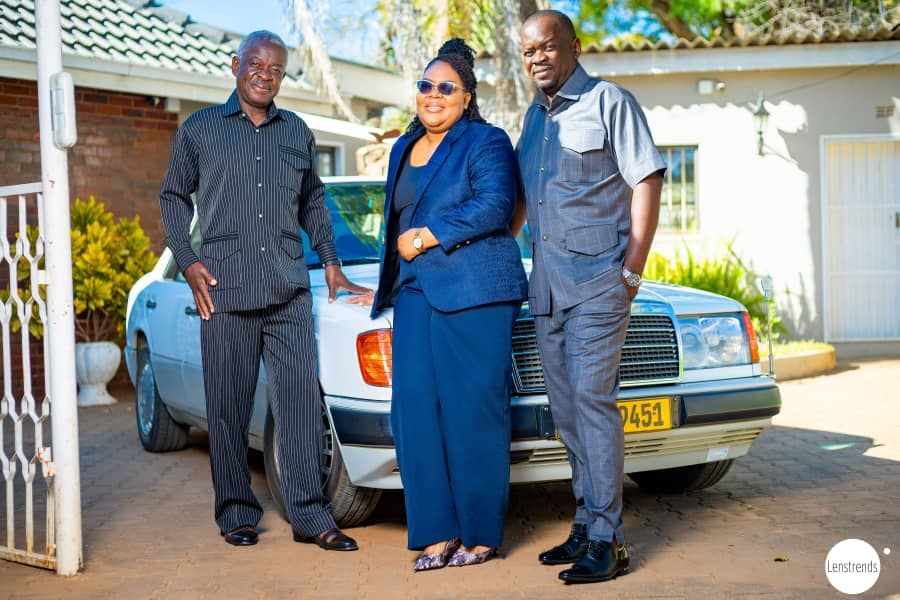
Mr. Sibanda commissioned four pieces. The brief was not dictated. The direction was. Africanism, but filtered through a West African sensibility. Bold shoulders. Deep earth tones. Textures that referenced royalty without quoting it. Mrs. Sibanda received six designs. Each one explored modern African femininity — clean lines, fluid movement, and a kind of elegance that does not ask for attention but commands it. Mr. Sibanda’s elder brother was also fitted for a single suit, cut to mark the occasion.
What made the process unusual was the trust. Mr. Sibanda, a businessman known for building one of Bulawayo’s most prominent brands, stepped back.
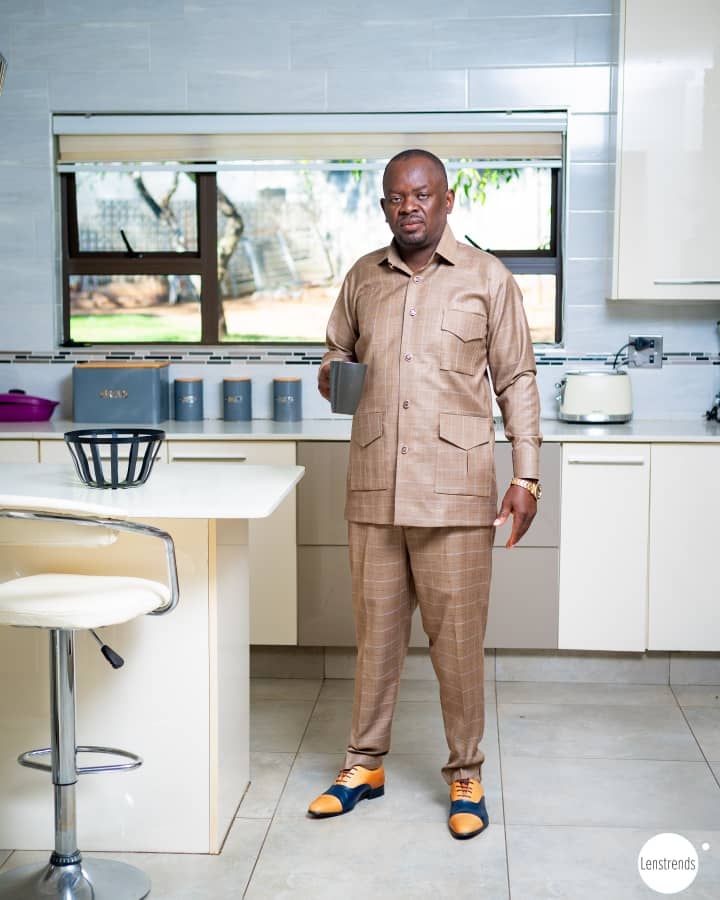
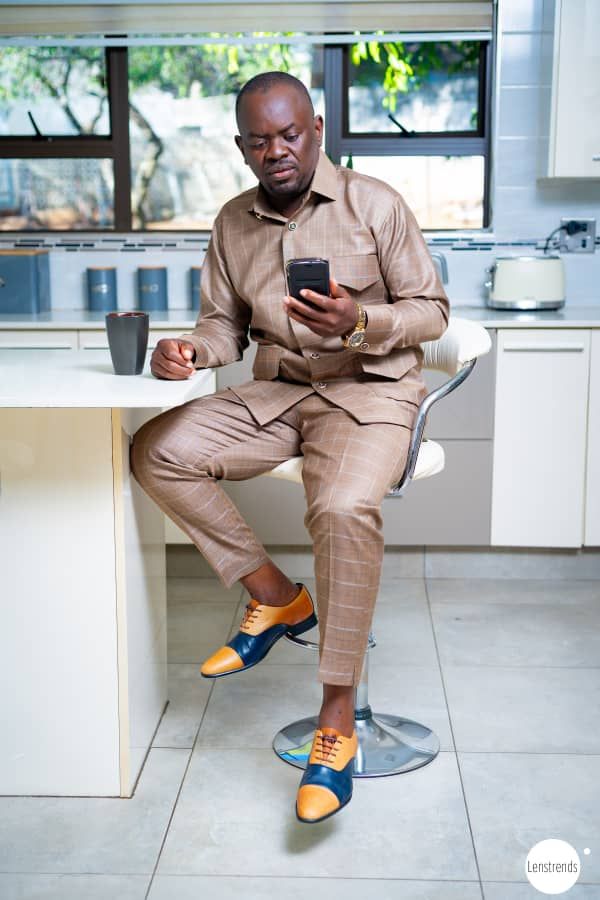
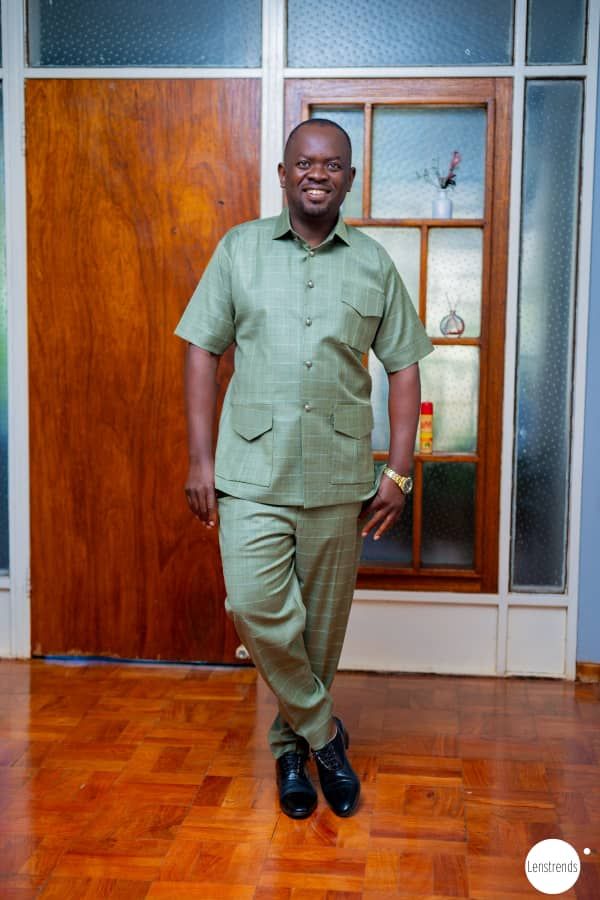
“This is the first collaboration of this scale between Bulawayo and Thembani and his team,” he said. “I did not give design instructions. I gave trust. That is rare. And I will do it again. This is how we should be working with our own.”
For Mubochwa, Bulawayo represents both a homecoming and a progression. Afro Jumbo Bespoke was founded in 2012 on one principle: take the atelier to the client. The model has taken him to boardrooms with Philip Chiyangwa, to stages with Jah Prayzah, to state functions with Minister Oppah Muchinguri. Across the border, his work has dressed Vuyo Mokwena and the late Sifiso Ncwane. The names are familiar. The method is not.
Most luxury houses fly clients to them. Mubochwa flies his team to you. And in Bulawayo, he stayed.
That decision carries weight in a city that protects its heritage fiercely. Bulawayo has always understood craftsmanship. It is a city of tailors, of leatherworkers, of builders. But it has rarely seen a global brand set up inside a family home and treat it as sacred ground. The symbolism was not lost on residents who watched cars and fabric deliveries arrive over nearly two weeks.
Beyond the technical work, the project became about relationship. Fabric was chosen not only for hand and drape, but for meaning. A cloth was rejected because “it didn’t feel like her.” Another was selected because “it looked like something he would wear to close a deal.”
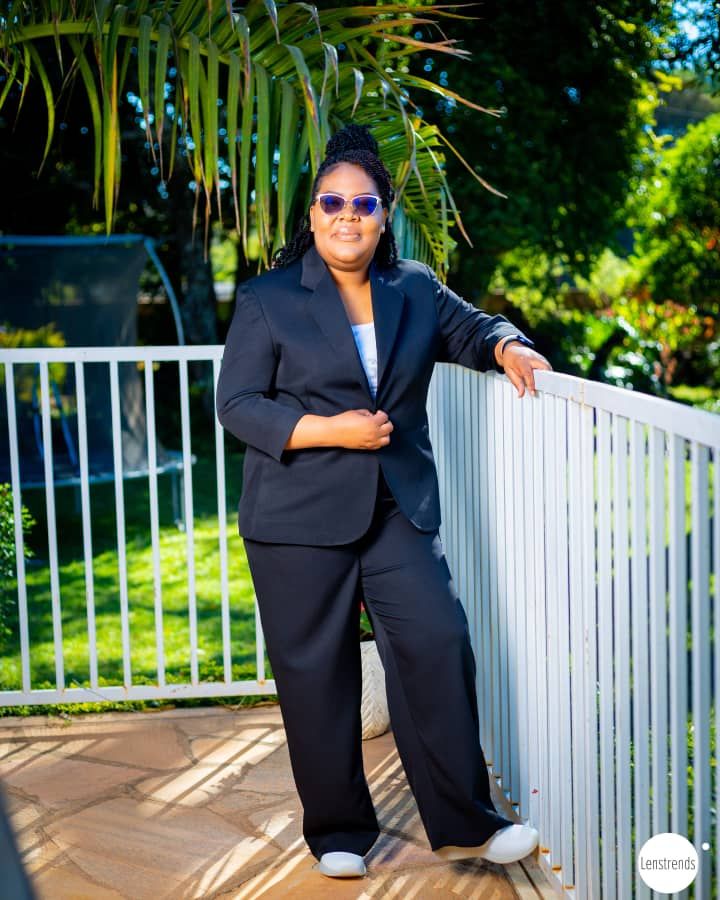
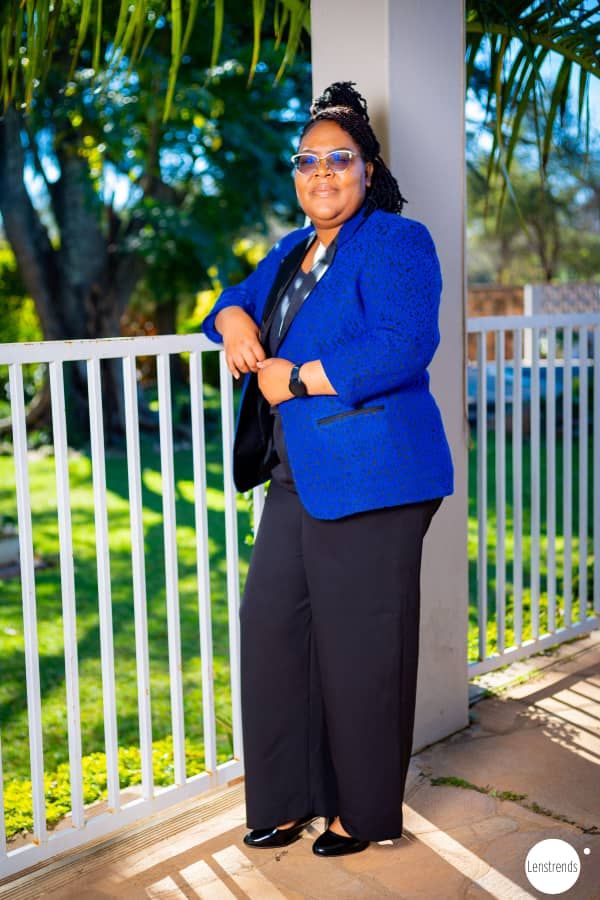
Conversations happened over tea. Fittings happened between school runs. The line between client and collaborator disappeared.
That is the point Mubochwa has been making for over a decade. Luxury, in the African context, cannot be imported and dropped. It has to be lived in to be understood.
“This is not about copying Paris,” he said. “Paris is brilliant. But we have our own way. Our climate, our posture, our occasions. The clothes must answer to that. And the only way to answer is to be here.”
As the final hems were pressed and the last swatches packed, one thing was clear to everyone in the house: this was not an ending. Mr. Sibanda confirmed plans for future collaborations. The team left behind more than garments. They left behind a new reference point for what is possible in Zimbabwe.
For fashion inspirations, witnessing the process underscored a larger truth. For years, African luxury has been defined by where we go to buy it. Now it is being defined by who comes to us. By who learns our stories and translates them into cloth.
In a city known for kings and queens, the Sibandas were not given a title. They were given something more personal. Eleven pieces made nowhere else, for no one else, in the place they call home.
And with that, Bulawayo did not just host a designer.
It set the bar.
 WORLD OF FASHION & MODELLING