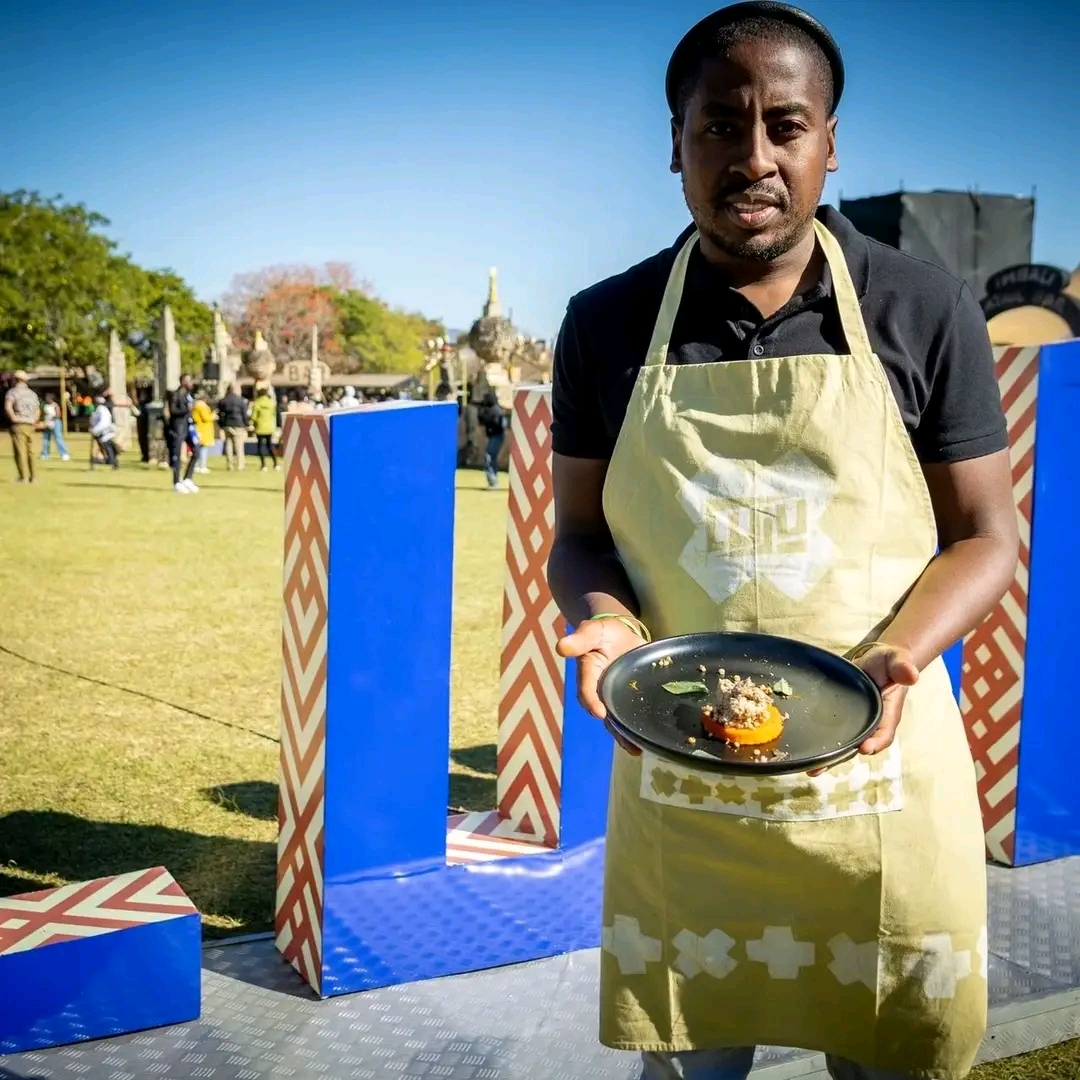
Magriza Made Me Cook Is Turning Zimbabwean Food Heritage Into a Cultural Movement
There are stories that live in books, stories that survive through photographs, and then there are stories that remain alive because someone continues to cook them.
For Prince Sivalo Mahlangu, food has become a powerful way of telling the Zimbabwean story.
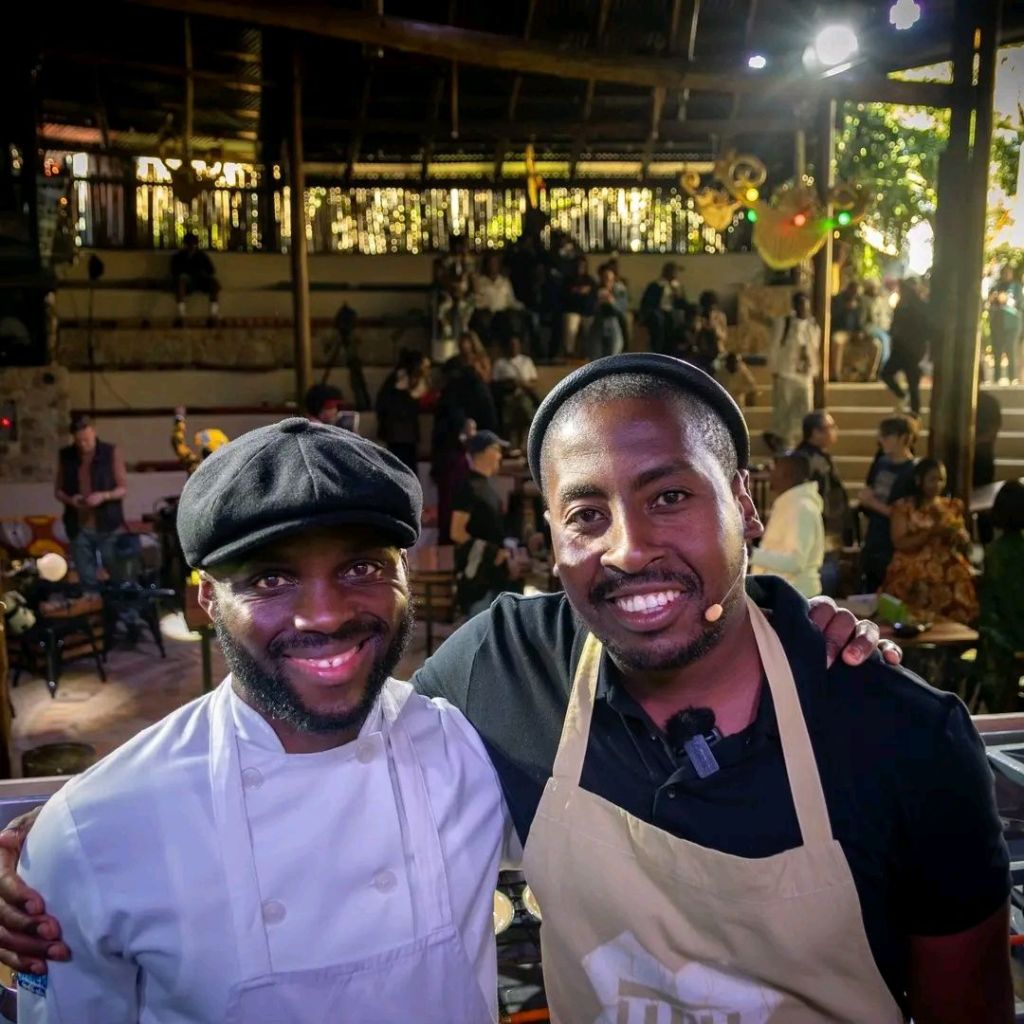
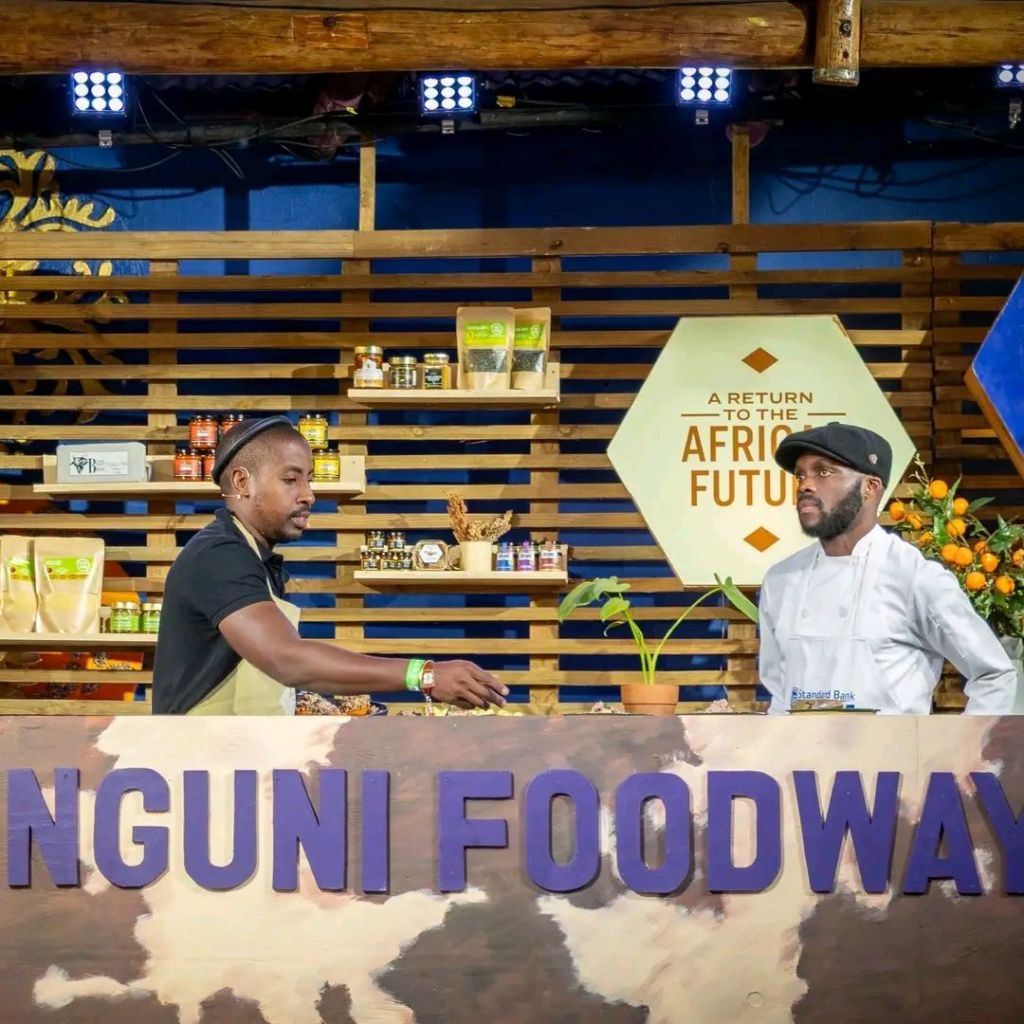
Through Magriza Made Me Cook, Mahlangu is building more than a cooking programme. He is creating a cultural platform that explores Zimbabwean cuisine, traditional knowledge and the people behind the food, while presenting them through a contemporary visual and storytelling language.
The project returned for its second season with a premiere in Bulawayo, attracting cultural figures, creatives and guests who gathered to celebrate a production that has steadily developed its own identity within Zimbabwe’s creative landscape.
At its heart, Magriza Made Me Cook asks audiences to look at food differently.
A traditional meal is not simply something placed on a table. Behind it can be a history of migration, family, agriculture, community and identity. An ingredient can tell the story of a region. A cooking method can preserve knowledge that has never been written down. A recipe can connect generations.
This is the space Mahlangu has chosen to explore.
The second-season premiere at the National Gallery of Zimbabwe in Bulawayo was particularly fitting because the programme itself treats food as a form of cultural expression. The gallery, traditionally associated with visual art, became a setting for a different kind of exhibition — one in which heritage could be experienced through taste, storytelling and performance.
Bulawayo Minister of State for Provincial Affairs and Devolution Judith Ncube attended the premiere and praised the programme for helping preserve traditional food knowledge. She also emphasised the importance of researching indigenous cuisine through conversations with elders, recognising that traditional food carries knowledge about communities, environments and ways of life.
That message captures what makes Mahlangu’s project increasingly relevant.
Zimbabwe has an extraordinary culinary heritage, but much of its knowledge remains dependent on oral tradition. As older generations disappear, some recipes, preparation methods and cultural meanings risk disappearing with them.
Magriza Made Me Cook provides a contemporary vehicle through which some of that knowledge can be documented and introduced to younger audiences.
But the project’s appeal extends beyond preservation.
Mahlangu is also positioning Zimbabwean cuisine within the creative economy.
Food intersects naturally with tourism, fashion, film, photography, hospitality, agriculture and entertainment. A programme that documents traditional cuisine can therefore become a gateway into a much larger cultural industry.
This is particularly significant for Bulawayo and Matabeleland, where cultural identity has always been one of the region’s strongest creative assets.
The project gives indigenous food a visual identity while allowing the people connected to that food to become part of the narrative. It is not simply about showing what is cooked; it is about understanding the people, places and histories that make those dishes meaningful.
That approach also makes Magriza Made Me Cook relevant to the fashion conversation.
Fashion, at its most powerful, is about identity. It tells audiences where someone comes from, what they value and how they see themselves. Food can do exactly the same thing.
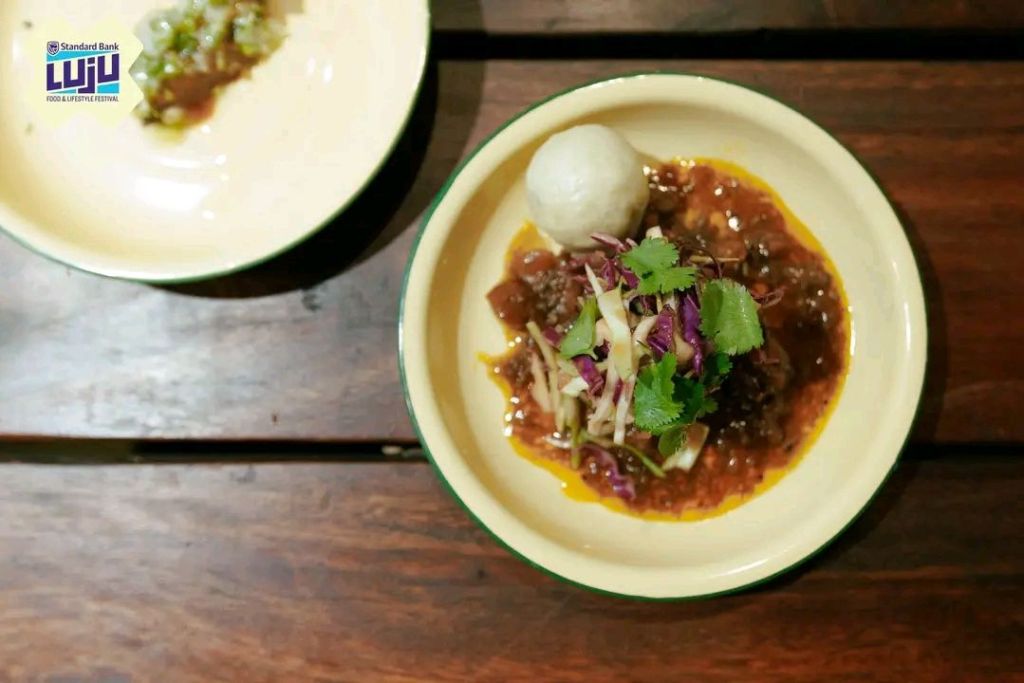
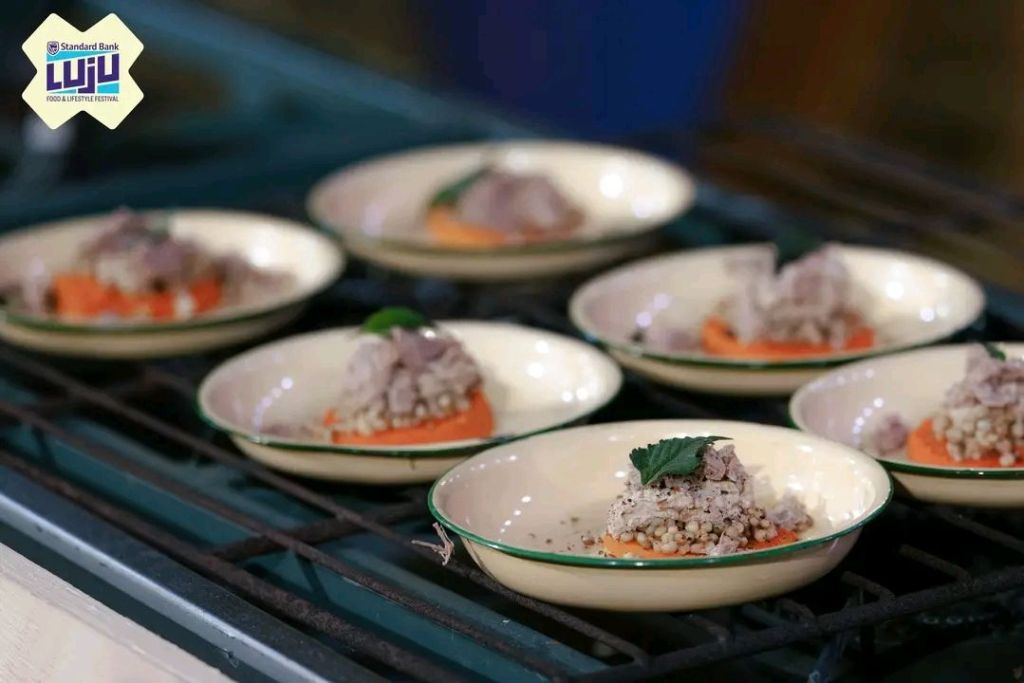
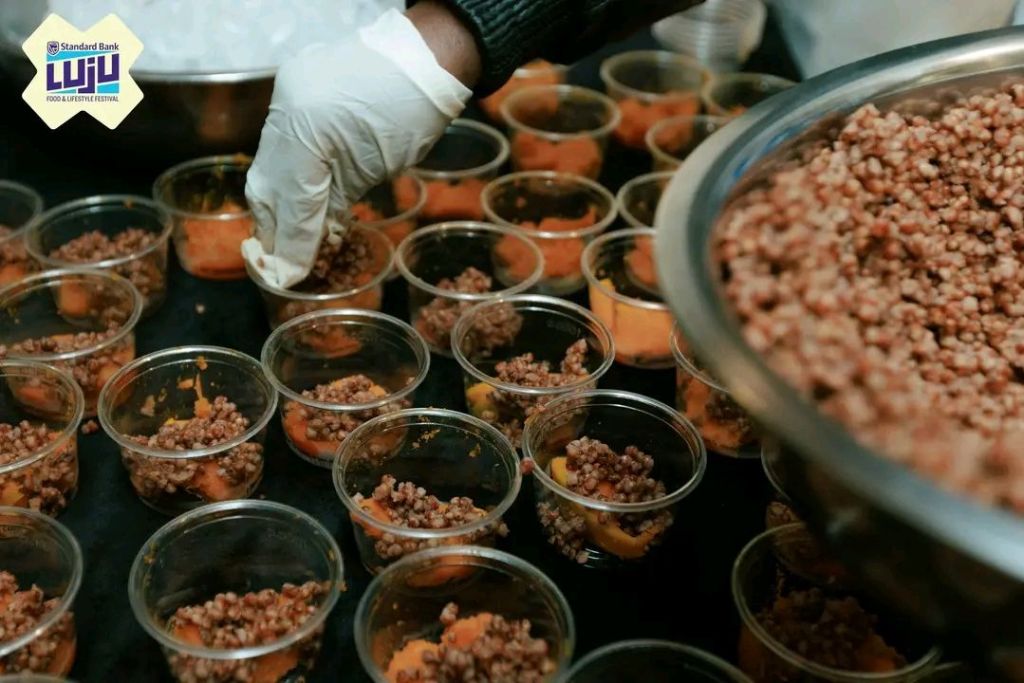
The colours of ingredients, the textures of traditional dishes, the objects used in preparation, the environments in which food is produced and even the clothing worn by those preparing it can become part of one visual cultural language.
Mahlangu’s work therefore sits comfortably within a new generation of African creative projects that refuse to separate culture into isolated categories.
Food can be art.
Food can be heritage.
Food can be business.
Food can be fashion.
And food can be storytelling.
What makes Magriza Made Me Cook particularly important is its willingness to treat Zimbabwean traditions with contemporary confidence rather than presenting them as relics of the past.
The programme does not need to make Zimbabwean food foreign before it becomes interesting to an international audience. Its strength is precisely in showing the culture as it is, while giving it a polished platform through which wider audiences can experience it.
For Mahlangu, the kitchen becomes a storytelling studio.
The plate becomes a canvas.
The recipe becomes an archive.
And the cook becomes a keeper of history.
As Zimbabwe’s creative industries continue searching for ways to turn cultural heritage into sustainable opportunities, projects such as Magriza Made Me Cook offer an important blueprint. They demonstrate that cultural preservation and commercial creativity do not have to compete with each other.
They can exist in the same space.
A traditional dish can preserve memory while creating employment. A television or digital production can document heritage while promoting tourism. A chef can become a cultural ambassador. A local ingredient can become part of a global conversation.
That is the bigger story behind Magriza Made Me Cook.
Mahlangu is not simply asking Zimbabweans what they are eating.
He is asking them to remember why they eat it, who taught them to prepare it and what those dishes say about who they are.
And perhaps that is where the real power of the programme lies.
Because when a culture cooks its history, the story does not simply disappear after the meal.
It remains.
It is passed on.
And through Magriza Made Me Cook, it is now being recorded for the world to see.

