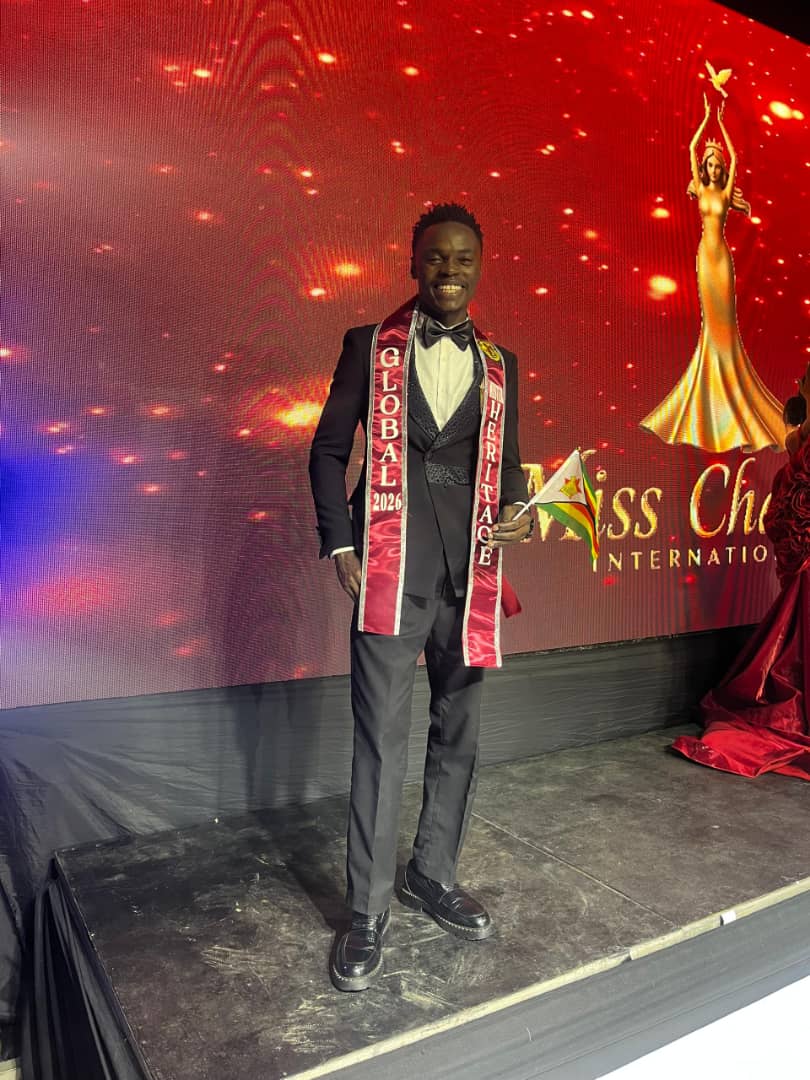
Zimbabwe’s Royce Gavi Crowned Mister Heritage Global After Carrying His Culture Onto the World Stage in the Philippines
Good day in Filipino is “Magandang araw” and thank you is “Salamat”. Those two phrases were probably the first things Royce Nyathi learned to say properly after his name was called out in the Philippines, because from that moment he wasn’t just representing himself anymore. He was standing on that stage as Mister Heritage Global, carrying the weight and the pride of Zimbabwe in a room full of cultures from across the world.
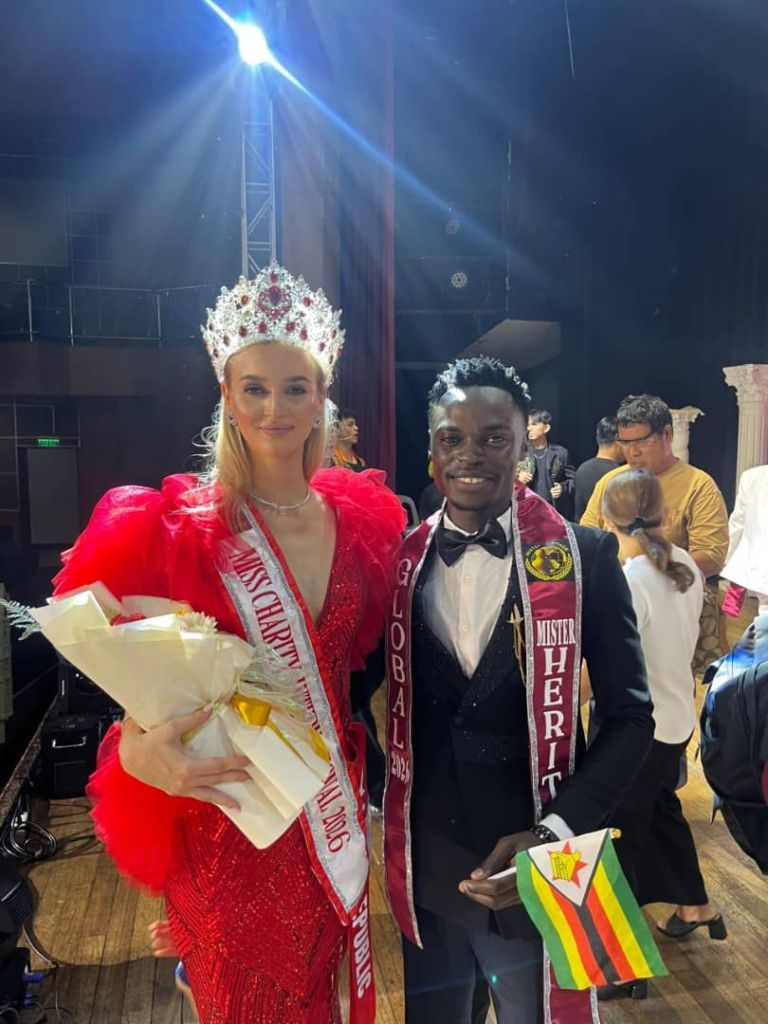
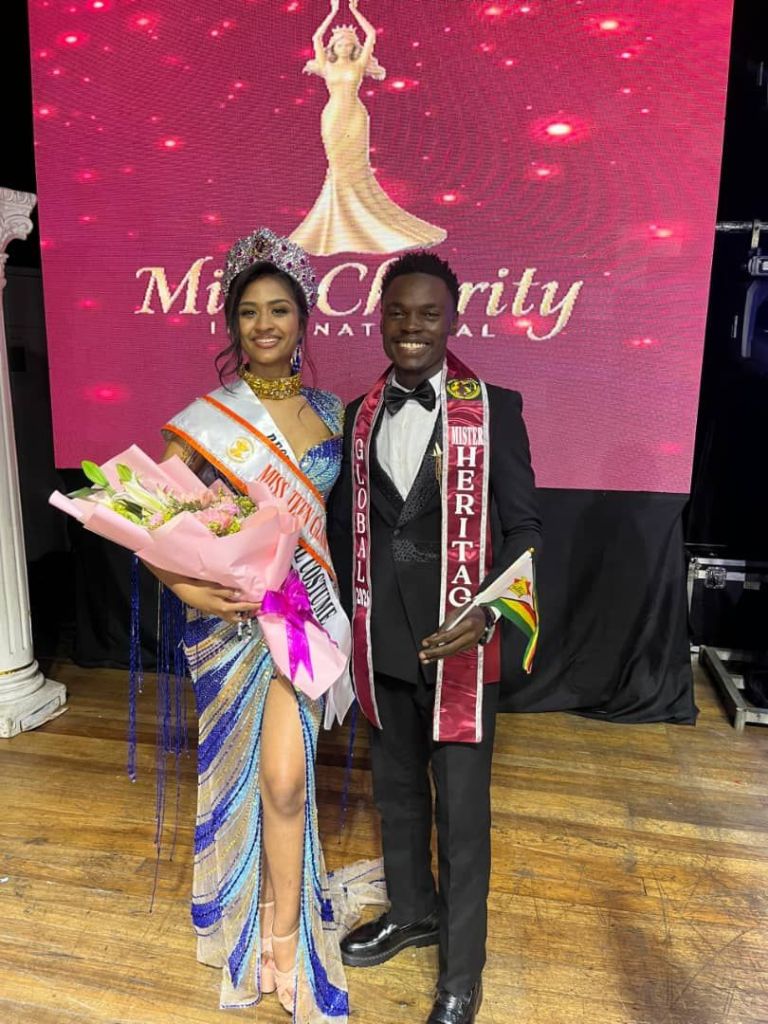
The disbelief was still raw when he tried to describe what happened the second his name echoed through the venue. He calls it a night he feels like he’s waited for his whole life. There’s ecstasy in his voice, but also something quieter underneath it, a kind of thankfulness that goes beyond the trophy and the title. For Royce, winning wasn’t an accident of one evening. It was the payoff of years of building, starting long before he even won the national contest back home. He walked into Mister Heritage representing Zimbabwe, and he walked out with the global crown, and in that moment his mind was a blur of gratitude, shock, and the sudden realization that every bit of effort had led here.
When you’re on an international stage that’s built around culture and heritage, the question isn’t just how you look or how you speak. It’s what part of who you are you choose to put in front of the world. Royce went with the things you can’t touch but you can feel: cultural dances and indigenous languages. He wanted to show something intangible, something that lives in the rhythm of drums, in the movement of bodies, in the sound of Shona and Ndebele words spoken the way they were meant to be spoken. The reaction was immediate. The audience was thrilled, leaning forward, trying to catch the steps, attempting to mimic the sounds even if their tongues stumbled. Judges don’t just score poise and presentation in a competition like this. They score connection, and Royce gave them something they could feel in their chest even if they didn’t understand every word.
Living in the Philippines for several days flipped the spotlight. Suddenly he was the one watching, learning, absorbing. What struck him most was how deeply entertainment and dance are woven into everyday life there. Every contestant had a piece of the Philippines to show, and the way they performed, the way they owned those dances with joy and precision, left an impression on him that he says he’ll never forget. It wasn’t just a performance to him. It was a reminder that culture is alive when people are willing to move with it, laugh with it, celebrate it without apology. He came to represent Zimbabwe, but he left with a piece of the Philippines tucked into his memory, a tradition of movement and celebration that he now respects in a personal way.
No one talks enough about how hard the language barrier can make something like this. For Royce, it was the toughest part. Instructions, conversations, quick changes behind the scenes, all of it became harder when you’re trying to think in one language and respond in another. He leaned on translation apps, even though they were slow and clunky, and he had to build patience into every interaction. That slow process of decoding and being decoded tested him more than any physical rehearsal. But it also forced a kind of humility and focus. You can’t fake understanding when the words don’t come easy, and you learn to watch people more closely, to listen for tone, to communicate with your hands and your presence when your vocabulary fails you.
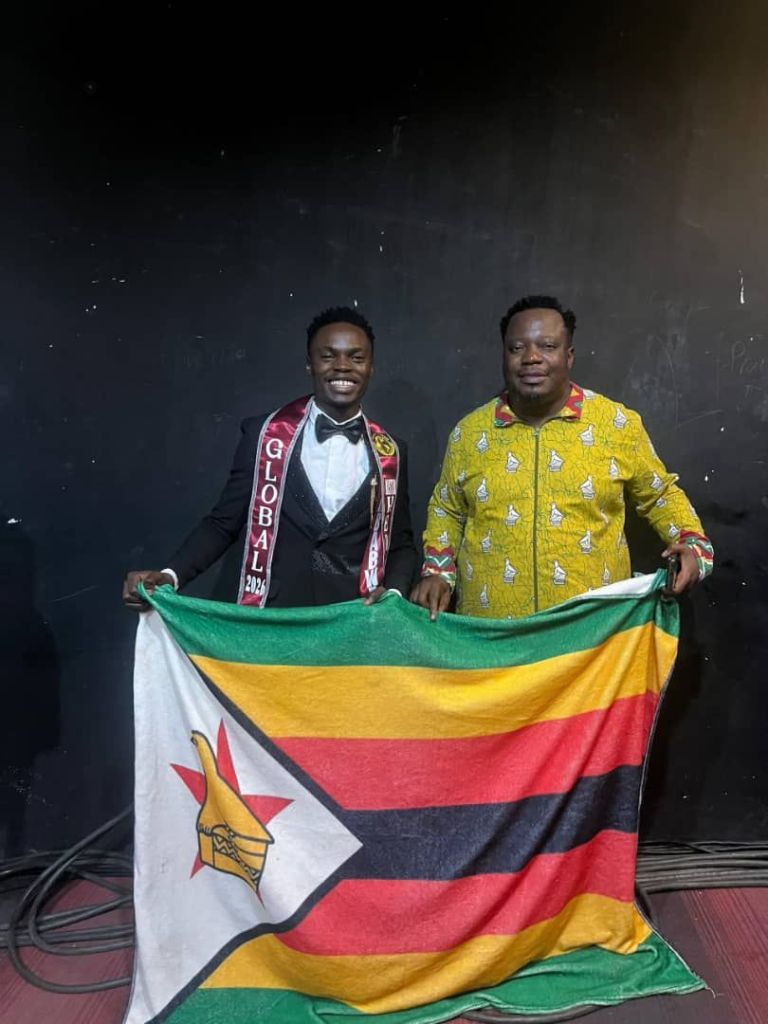
The title now puts Zimbabwe in a different kind of spotlight, and Royce is aware of what that means for young people back home who see this and think maybe they could do the same. His message is straightforward and hard-won. Hard work pays. He’s quick to point out that this journey didn’t start the day he won nationally. It started long before, in the quiet work of building himself up physically, financially, and mentally. International contests aren’t just about talent on the night. They drain you in every way, and the only way to survive that drain is to have already poured into yourself for years. He wants other Zimbabweans to know that the stage is reachable, but it demands everything you have before you even get there.
Off stage, he was an ambassador whether he intended to be or not. People were curious about Zimbabwe, and the questions came fast. The thing that fascinated them most was the languages. Zimbabwe’s linguistic diversity became a conversation starter, and Royce leaned into it. He made videos of people trying to say a few words in Shona and Ndebele, capturing their laughter and their effort. In those small moments, home wasn’t an abstract idea. It became a sound, a syllable, a shared joke when someone butchered a word and everyone laughed together. That’s how he described home to them. Not just as a place on a map, but as a living language, a dance, a way of being that people could participate in, even for thirty seconds on a phone screen.
Now that he’s Mister Heritage Global, the work shifts from winning to using the platform. Royce isn’t interested in letting the title sit on a shelf. His plan is to bring it back home and use it to push Zimbabwe’s culture, tourism, and heritage into spaces where they haven’t been seen enough. He understands that a crown without purpose is just metal, and he wants to turn this moment into momentum. That means telling Zimbabwe’s story in a way that makes people want to come see it, hear it, and feel it for themselves. It means showing that heritage isn’t something locked in museums or textbooks. It’s in the way people move, speak, and celebrate when no one’s telling them to perform.
What makes Royce’s win resonate is that it never felt like a performance for points. It felt like a person deciding that the most powerful thing he could do was to be unmistakably Zimbabwean in front of the world, and trust that it would land. The dances landed. The languages landed. The gratitude landed. And now, with “Magandang araw” and “Salamat” sitting alongside his Shona and Ndebele, he’s carrying two countries in his story, using one to open doors for the other. That’s the kind of representation that sticks, because it doesn’t ask for pity or applause. It just shows up, fully, and lets people feel why it matters.
How do you want to use this piece, and are you looking to adapt it for a specific publication or social post?

