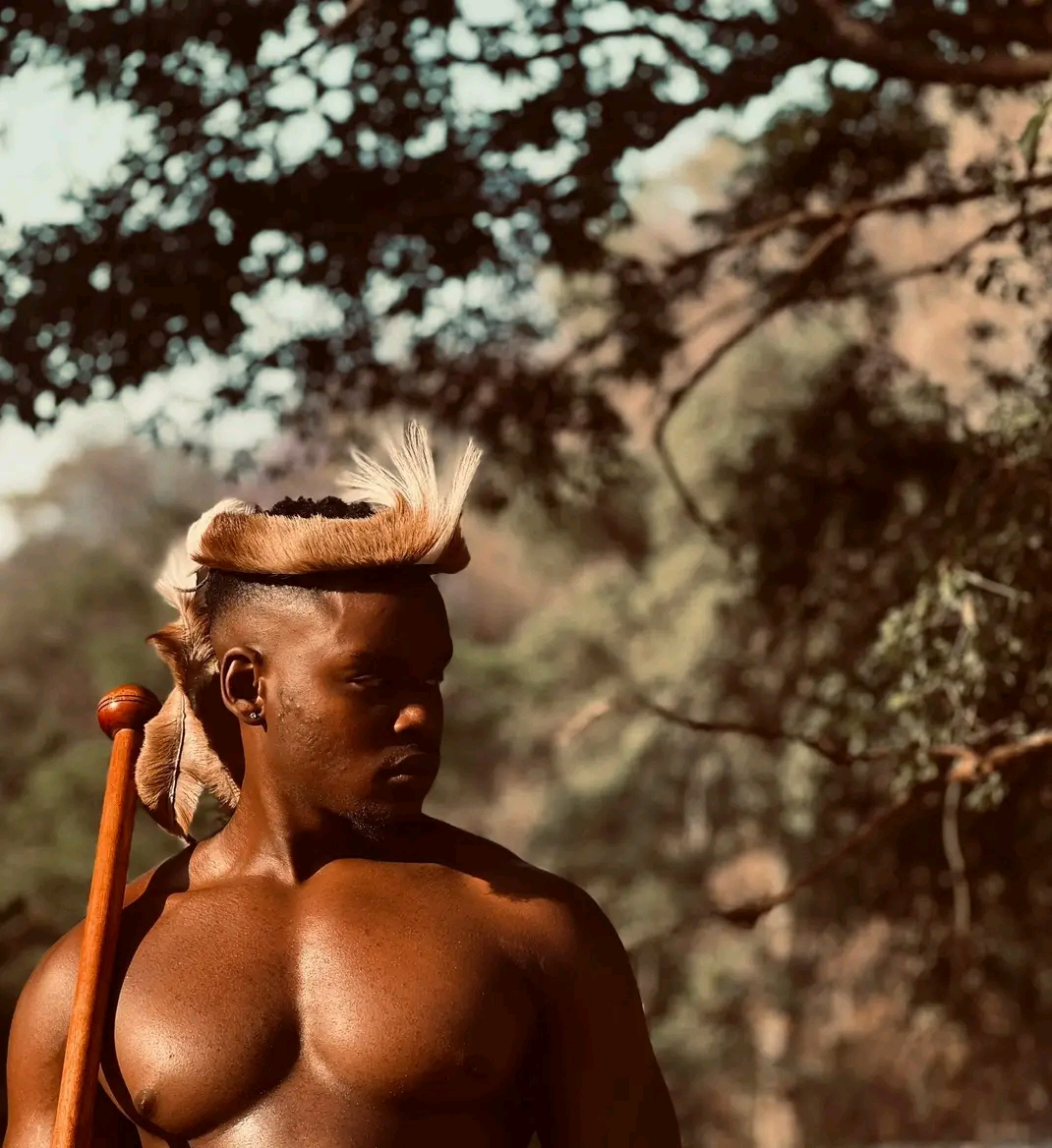
Melvin Manqoba: The Face and Heart of “The Place of the Rising Sun”
_On identity, discipline, and why Mpumalanga deserves the world’s attention_
Mpumalanga doesn’t introduce itself with noise. It waits for the horizon to catch fire at dawn, and then you understand why locals call it “The Place of the Rising Sun.” For someone who’s never set foot in South Africa, that’s where you start—standing on the edge of the escarpment as the Lowveld stretches out below you, the first light spilling over God’s Window like it’s peeling back a curtain.
“When you’re there, you don’t just see it,” says Melvin Manqoba. “You feel the cold mountain air hit your face, and then ten minutes later you’re in the valley where it’s warm and the smell of citrus and red earth is in everything. You taste it too—our biltong, our fresh oranges, the pap and chakalaka that tastes different here because the soil gives it something you can’t explain.” It’s a province of contrasts that sit together without apology: mountains, grasslands, wildlife, and waterfalls all within a few hours’ drive. That’s the first thing you need to know about Mpumalanga. It shows you possibility before you’ve even had coffee.
Every province in South Africa carries its own rhythm, but Mpumalanga’s is distinct because it refuses to be put in a box. “We’re not just bushveld and Kruger,” Melvin explains. “We’re miners and farmers, artists and athletes, people living between rural villages and growing cities like Mbombela and eMalahleni. What makes us stand alone is that we’re the bridge—between wilderness and industry, between tradition and what’s coming next. You can spend the morning tracking lions and the afternoon in a boardroom. That mix builds people who are adaptable, who don’t wait for permission to build something.”
That adaptability shows up in how Melvin talks about his own drive. When the pageants are over, the cameras off, and there’s no crowd to perform for, what keeps him moving is quieter than ambition. “The engine is responsibility,” he says. “I grew up watching my mother wake up before sunrise to make sure we had food and transport. If she could do that without applause, I can show up for training, for the kids at Tennis Base, for the commitments I make. Discipline isn’t motivation. It’s deciding that your word matters even when no one is watching.”
That mindset is why fitness and mental health aren’t side projects for him—they’re part of the job of being a titleholder. “Working out keeps my body ready, but more than that it keeps my head clear,” Melvin says. “When you’re representing a province, people are watching how you carry yourself under pressure. If I’m not disciplined with sleep, food, training, and time for quiet, I start making sloppy decisions. A titleholder can’t just look the part. You have to have the stamina to serve when things get heavy. Physical health gives you the energy, mental health gives you the judgment. You need both.”
Much of that service happens off the stage at Tennis Base, where Melvin has been involved with coaching and outreach in under-resourced communities. “We’re serving kids who have never held a racket, who think tennis is a sport for other people,” he says. “What it taught me about leadership is that you don’t lead by talking the most. You lead by showing up on a dusty court at 6 AM, setting up cones, and hitting balls with a kid who’s too shy to make eye contact. Leadership off the stage is about being consistent where it’s inconvenient.”
That commitment caught the attention of Tennis South Africa, and Melvin recently spent a day with the President of the organization. For him, the moment wasn’t about a photo op. “It meant that someone at the top was willing to listen to what’s happening on the ground in Mpumalanga,” he says. “What I took away was that access is the real barrier, not talent. We have kids who can move, who have hand-eye coordination, who love to compete. What they don’t have is courts, coaches, and transport. I’d bring back the belief that if we build small, sustainable programs in schools and community centers, we can feed into the national system. Mpumalanga doesn’t need a handout. We need a pipeline.”
And yes, he would push for tennis in all schools across the province—not because every child needs to become a pro, but because the sport teaches structure, discipline, and how to lose with dignity. “Tennis teaches you to reset after every point. That’s a life skill,” Melvin says. “To make it happen, you start with teacher training and portable equipment. You don’t need 20 courts. You need one wall, one racket, and one coach who cares. Partner with municipalities for public courts, bring in sponsors for equipment drives, and use athletes like me to run clinics. You build it in layers so it doesn’t collapse when the funding shifts.”
If crowned Mister Mpumalanga 2026, the initiative he’d launch in the first 100 days is called “Rise Courts.” The focus: convert unused school and community spaces into multi-purpose sport zones, starting with 5 rural areas. “Youth unemployment and lack of access to sport are connected,” he argues. “Give young people a place to train, and you also give them a reason to show up, to stay out of trouble, and to learn teamwork. I’d pair it with mentorship and basic entrepreneurship training so the coaches and older kids can run the programs themselves. Why that one? Because it’s visible, it’s doable in 100 days, and it creates momentum. People need to see change, not just hear promises.”
For Melvin, the title of Mister Mpumalanga carries weight beyond appearance. “It means you’re a custodian,” he says plainly. “On a national stage, you’re carrying the stories of a province that’s often overlooked. Integrity means you don’t exaggerate, you don’t disappear after the crowning, and you don’t speak for people without having sat with them first. You represent by listening, then acting. If you can’t do that, you shouldn’t wear the sash.”
When asked why he should be the one to walk out with the crown, Melvin doesn’t pivot to clichés. “Because I’ve been doing the work when it didn’t have a title attached to it,” he says. “Because I understand both the boardroom and the dirt court. Because I’m from here, I know the challenges, and I’m not scared of the slow, unglamorous work that actually changes things. The crown isn’t the goal. It’s a tool. And I intend to use it to open doors for kids in Mpumalanga who’ve been told their dreams are too big for where they come from.”
That’s the thread running through everything he says: rising early, showing up, and refusing to let the place you come from define the limits of what you can build. In Mpumalanga, the sun rises first. With the right leadership, the people do too.
What do you think would be the biggest challenge in getting “Rise Courts” running in rural schools within 100 days?


 WORLD OF FASHION & MODELLING