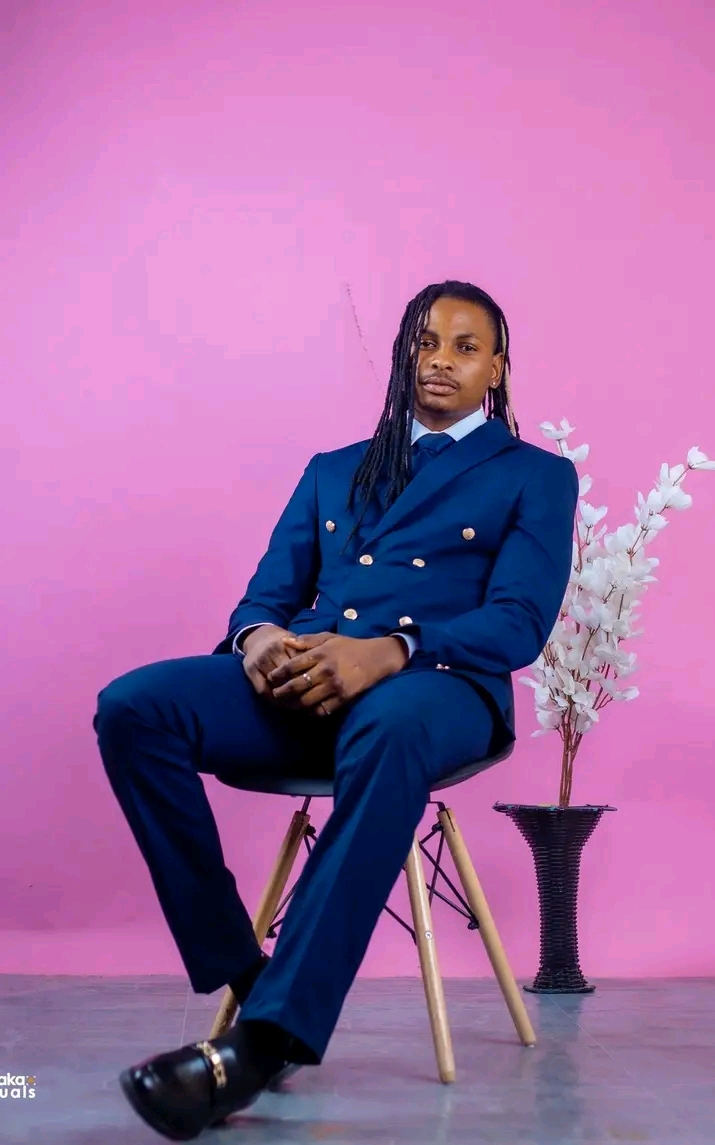
The Heritage Hero: Mr. Heritage Zimbabwe 1st Runner-Up Opens Up About Culture, Identity, and Ambition
As we sit down with the charming and charismatic Mr. Heritage Zimbabwe 1st runner-up, we can’t help but feel inspired by his passion for cultural heritage and his commitment to promoting unity and understanding among different communities.
Growing up, I was always fascinated by the rich cultural heritage of Zimbabwe, he says. From the vibrant traditional clothing to the mouth-watering local cuisine, I was captivated by the diversity and complexity of our cultural practices. As I grew older, I realized that our cultural heritage is not just a reflection of our past, but also a key to our future. It has shaped my personal identity and worldview by teaching me the importance of community, respect, and tradition.
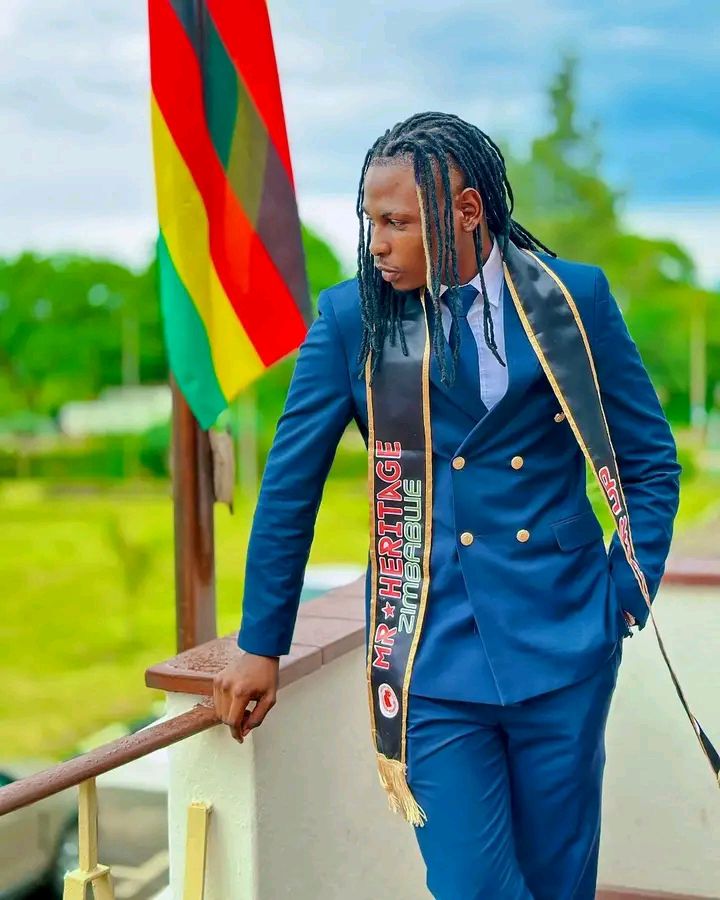
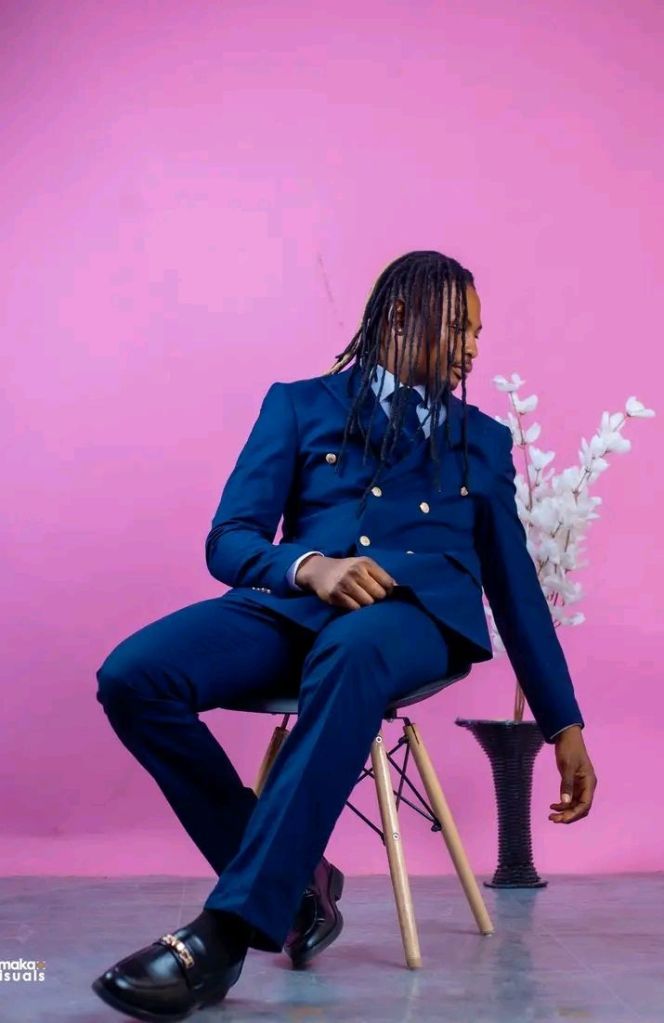
One cultural tradition that I hold dear is the practice of “Ubuntu,” he continues. Ubuntu is a Shona word that means “humanity towards others.” It’s a philosophy that emphasizes the importance of community, mutual respect, and compassion. I believe that Ubuntu can be used to promote unity and understanding among different cultures by encouraging people to look beyond their differences and focus on their shared humanity.
The Mr. Heritage Zimbabwe competition was an incredible experience that pushed me to my limits, he recalls. To prepare, I spent countless hours researching and learning about Zimbabwe’s cultural heritage, practicing my public speaking skills, and perfecting my traditional dance moves. The competition was tough, but it was also a valuable learning experience that taught me the importance of perseverance, hard work, and dedication.
As Mr. Heritage Zimbabwe 1st runner-up, I believe that I have a responsibility to use my platform to promote cultural awareness, understanding, and appreciation, he says. I hope to convey the message that our cultural heritage is a valuable resource that can bring people together, promote unity, and inspire positive change. I also hope to inspire young people to take pride in their cultural heritage and to become ambassadors for their communities.
In the future, I plan to continue promoting my cultural heritage and values through various initiatives, including cultural festivals, traditional dance performances, and community outreach programs, he says. I also hope to pursue a career in cultural heritage management, where I can work to preserve and promote the cultural heritage of Zimbabwe for future generations.
My advice to young people would be to take pride in their cultural heritage and to become ambassadors for their communities, he concludes. I would also encourage them to be curious, open-minded, and respectful of other cultures, and to seek out opportunities to learn from and engage with people from different backgrounds. By doing so, they can help to promote cultural understanding, exchange, and cooperation, and make a positive impact on their communities and the world at large.
 WORLD OF FASHION & MODELLING